Standard ground shipping definition made simple for everyone
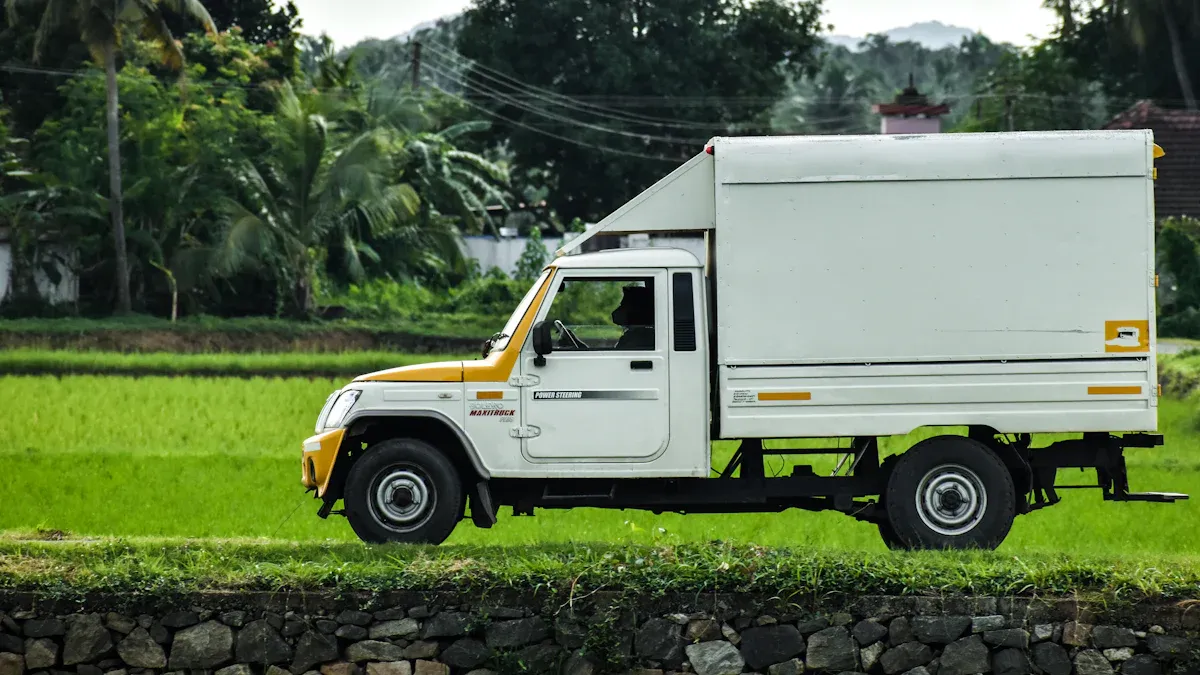
You may wonder what the standard ground shipping definition is. It means sending packages over land using trucks or trains, not planes. You get a cost-effective way to move goods, especially if you do not need fast delivery. This method works well for many types of products and shipment sizes. Unlike air shipping, ground shipping fits best for shorter distances and non-urgent items.
Key Takeaways
Standard ground shipping is a cost-effective way to send packages over land, typically taking 1 to 7 business days for delivery.
This shipping method is ideal for non-urgent items, allowing you to save money while ensuring reliable service.
You can track your package throughout its journey, receiving updates on its status from dispatch to delivery.
Consider the size and weight limits of your packages, as standard ground shipping accommodates a wide range of items.
Always compare rates from different carriers to find the best deal and ensure your shipping needs are met efficiently.
Standard ground shipping definition
What it means
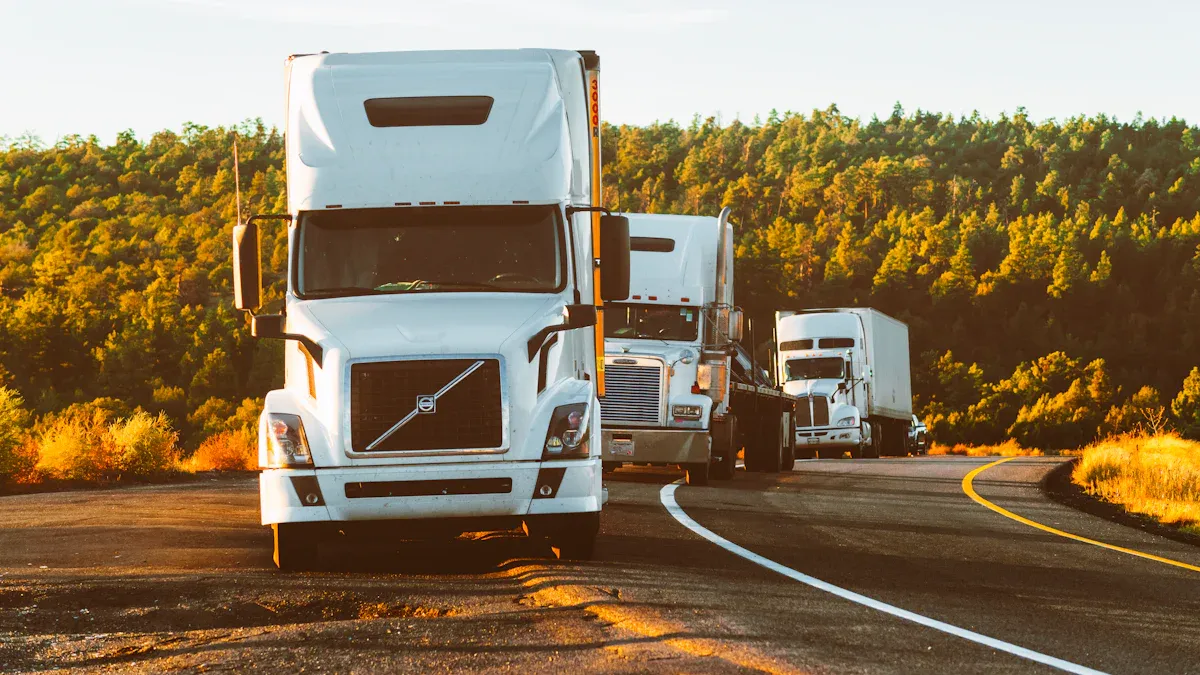
You may hear the term standard ground shipping definition when you shop online or send packages. This term describes a way to move goods using trucks and vans on roads. You do not rely on airplanes for this method. You get a reliable and cost-effective choice for sending items that do not need to arrive quickly. Most companies use standard ground shipping for domestic deliveries. You can expect your package to arrive within 1 to 7 business days. Logistics experts say this method works best for non-urgent shipments. You save money and still get dependable service.
Tip: If you want to ship something across the country and do not need it right away, standard ground shipping gives you a good balance between price and reliability.
Here are the main points that define standard ground shipping:
You use road transport, mainly trucks and vans.
You get affordable rates for most packages.
Delivery speed usually ranges from 1 to 7 business days.
This method suits non-urgent shipments.
How it compares to other shipping methods
You may wonder how the standard ground shipping definition stacks up against other options. Shipping carriers offer different services, and each has its own strengths. The table below shows the main differences between standard ground shipping and expedited shipping:
Factor | Standard Shipping | Expedited Shipping |
|---|---|---|
Delivery Speed | 1 to 3 business days | |
Reliability | May face delays due to shared routes | High reliability with dedicated routes |
Cargo Safety | Higher risk of damage due to more handling | Lower risk of damage with fewer transfers |
Cost | More affordable for non-urgent deliveries | More expensive due to faster service |
Tracking | Basic tracking options | Advanced real-time tracking available |
You see that standard ground shipping definition means slower delivery but lower cost. Expedited shipping gets your package there faster, often in 1 to 3 business days, but you pay more. Standard ground shipping may face delays because trucks share routes and handle more packages. Expedited shipping uses dedicated routes, so it is more reliable and safer for fragile items.
Recent trends show that ground shipping costs are rising faster than revenue. Major carriers like FedEx and UPS have increased accessorial fees and fuel surcharges. You may notice that economy ground parcel rates rose nearly 7.5% year-over-year in 2025. Companies now audit carrier contracts to control expenses. If you choose standard ground shipping, you still get a cost-effective option, but you should watch for changing rates.
Note: Standard ground shipping definition gives you a budget-friendly choice, but you need to check for updated prices and possible delays.
You can use standard ground shipping for most packages, especially if you do not need them urgently. Expedited shipping works better for time-sensitive items or fragile goods. You decide which method fits your needs and budget.
How it works
Step-by-step process
When you choose standard ground shipping, your package follows a clear journey from order to delivery. You can see each step in the process below:
Order Placement
You place your order online or in-store. This action starts the shipping process.Order Fulfillment
Warehouse staff pick your items and pack them securely. They use strong boxes and protective materials to keep your package safe.Carrier Selection
Shipping teams select the best carrier for your package. They consider delivery speed, package size, and cost. Major carriers include USPS, UPS, FedEx, and regional carriers.Packaging and Labeling
Staff weigh and measure your package. They print a shipping label with your address and tracking number.Dispatch
Your package leaves the warehouse. Trucks or vans carry it along highways and local roads. Sometimes, trains help move packages over long distances.Tracking and Communication
You receive tracking information. You can check your package status online. Carriers update you at each stage, such as "in transit" or "out for delivery."Delivery
The carrier delivers your package to your address. You may get a notification when it arrives.
Tip: You can track your package using the carrier’s website. Look for updates like "label created," "in transit," or "delivered."
Here is a table that shows each step and what happens:
Step | Description |
|---|---|
Order Placement | You place your order and start the shipping process. |
Order Fulfillment | Staff pick and pack your items for shipment. |
Carrier Selection | Teams choose the best carrier based on speed, cost, and package details. |
Packaging | Staff pack items and create a shipping label. |
Dispatch | Trucks or trains move your package to its destination. |
Delivery | The carrier delivers your package to your address. |
Standard ground shipping definition means your package travels by land, not air. Trucks and trains handle most of the journey. Carriers optimize routes to deliver packages efficiently. You stay informed with tracking updates throughout the process.
Delivery timeframe and coverage
You want to know how long standard ground shipping takes and where it delivers. Most packages arrive within 1 to 5 business days if you live in the contiguous United States. Carriers like FedEx Ground and UPS promise day-definite delivery in this timeframe. USPS also offers similar delivery speeds for ground shipments.
Delivery Timeframe:
FedEx Ground: 1-5 business days
UPS: 1-5 business days
USPS: 1-5 business days
Coverage:
Standard ground shipping covers all 48 contiguous states.
Regional carriers may serve specific areas.
Alaska and Hawaii need special services and may take longer.
Note: Holidays and severe weather can delay your package. Carriers may not guarantee delivery times during busy seasons. You should plan ahead if you need your package by a certain date.
Here is a table that shows how holidays and weather affect delivery times:
Description | Impact on Delivery Times |
|---|---|
Increased shipping volumes during holidays | Possible delays; carriers may not guarantee delivery times. |
Severe weather conditions | Delays and possible suspension of service guarantees. |
Carrier deadlines during peak seasons | Earlier planning needed for timely delivery. |
Regional variations (Alaska, Hawaii) | Longer delivery times and special service requirements. |
Common reasons for delays include port congestion, labor shortages, extreme weather, and traffic challenges. You may also see delays from customs issues or documentation problems.
Tip: If you want your package to arrive on time, order early during holidays and check for weather updates.
You can rely on standard ground shipping for most packages within the contiguous US. You get reliable service and clear tracking, but you should expect possible delays during busy seasons or bad weather.
Key features

Cost-effectiveness
You save money when you choose standard ground shipping. This method costs less than expedited or air shipping for similar package sizes. You can see the difference in the table below:
Shipment Type | USPS Service | UPS Service | FedEx Service | Typical Cost (5 lb, Zone 5) |
|---|---|---|---|---|
Domestic Ground | Priority Mail | UPS Ground | FedEx Ground | $9–$12 |
Domestic Express | Priority Mail Express | UPS Next Day Air | FedEx Overnight Shipping | $30–$45 |
USPS often gives you the lowest price for lightweight packages. UPS works better for heavier parcels. If you need faster delivery, USPS usually offers more affordable expedited services. You get a good balance between price and reliability with standard ground shipping definition.
Tip: If you want to keep shipping costs low, compare rates from different carriers before you send your package.
Package types and weight limits
You can ship many types of packages with standard ground shipping. Carriers accept boxes, envelopes, and tubes. You must follow their size and weight rules. The table below shows the limits for major carriers:
Carrier | Maximum Weight | Maximum Size (Length + Girth) | Maximum Length |
|---|---|---|---|
UPS | 150 lbs | 165 inches | 108 inches |
UPS Ground Saver | 70 lbs | 130 inches | 60 inches |
FedEx | 150 lbs | 165 inches | 108 inches |

UPS Ground Saver requires packages to be at least 4 x 6 x 0.75 inches. If your package weighs less than 8 ounces, UPS Ground Saver bills it as 8 ounces. FedEx lets you ship packages up to 150 pounds, with a maximum length of 108 inches and a combined length plus girth of 165 inches. You get delivery within 1–5 business days in the contiguous U.S.
Major carriers and services
You have many choices for standard ground shipping. National carriers include UPS, FedEx, and USPS. Regional carriers such as OnTrac, GLS, and Spee-Dee Delivery Service also offer ground shipping. Other providers like DHL eCommerce, Pitney Bowes, R+L Carriers, and Amazon Logistics serve specific areas or business needs.
UPS
FedEx
USPS
DHL eCommerce
OnTrac/LaserShip
GLS
Pitney Bowes
R+L Carriers
Amazon Logistics
Spee-Dee Delivery Service
National carriers cover most of the United States. Regional carriers focus on certain states or cities. You can choose the best service for your location and package type.
Note: You get reliable service and wide coverage when you use standard ground shipping. You can ship almost anything within the carrier’s limits.
Pros and cons
Advantages
You get many benefits when you choose standard ground shipping. Here are the main advantages:
Affordability: You save money because standard ground shipping costs less than air or express services. Nearly 80% of shoppers expect free standard shipping at checkout, so you meet customer expectations and keep costs low.
Flexibility: You can use almost any packaging material. This helps you reduce expenses, especially if you run a small business.
Wide Coverage: You reach most addresses in the United States. USPS covers remote areas, so your package arrives even in hard-to-reach places.
Reliability: UPS and USPS offer dependable service for domestic deliveries. You experience fewer delivery issues with UPS ground shipping.
Environmental Impact: You make a greener choice. Ground shipping produces much less carbon emissions than air freight. Transporting goods by road creates only one-tenth of the climate impact compared to air shipping.
Tip: If you want to balance cost, coverage, and reliability, standard ground shipping gives you a strong option.
Disadvantages
You should also consider the drawbacks before you choose standard ground shipping. Here are the most common disadvantages:
Slower Delivery: You wait longer for your package. Standard ground shipping takes more time than air shipping, so it does not work well for urgent deliveries.
Limited Tracking: You get fewer tracking updates. Some carriers offer only basic tracking, which may not show every step of the journey.
Possible Delays: You may feel frustrated if your package arrives late. Customer surveys show that delays and missed deliveries happen more often with ground shipping than with express services.
Here is a table that compares delivery times for different shipping methods:
Shipping Method | Delivery Time (Days) |
|---|---|
FedEx Ground | 1–5 (Contiguous US) |
UPS Ground | 1–5 (All 50 states) |
DHL | 2–8 (International) |
USPS Ground Shipping | 2–8 (Varies by distance) |
Note: If you need your package quickly or want detailed tracking, you may want to choose air or express shipping instead.
Tips for using standard ground shipping
Choosing the right option
You want to make smart choices when you ship packages. Standard ground shipping works best for many situations, but you should consider a few key factors before you decide. Look at the table below to help you compare your options:
Factor | Description |
|---|---|
Cost-effectiveness | Often the cheapest option for domestic deliveries and heavier parcels. |
Delivery speed | May take longer than air shipments, but some regional services deliver in 1–3 days. |
Package size | Supports a wide range of package sizes and weights, with fewer restrictions than air freight. |
Type of goods | Different carriers handle small packages or large items better, depending on your needs. |
You should match your shipping choice to your needs. If you want to save money and do not need fast delivery, ground shipping gives you the best value. You can also ship larger or heavier packages with fewer limits.
You can follow best practices to get the most from your shipping service. The table below shows some helpful tips:
Best Practice | Description |
|---|---|
Enhance Carrier Relationships | Negotiate discounts and work with regional carriers to avoid last-mile delays. |
Leverage Technology | Use shipping software to track packages and compare prices automatically. |
Educate Yourself on Shipping Options | Learn about costs, speeds, and how proper packaging can save you money. |
Tip: Always compare carriers and services before you ship. This helps you find the best price and speed for your package.
Saving time and money
You can use several strategies to make ground shipping even more efficient. Try these simple steps:
Optimize packaging: Choose the right box size to avoid extra fees.
Use shipping tools: Online tools help you compare rates and pick the best deal.
Schedule pickups: Plan regular pickups to save time and reduce costs.
Consolidate shipments: Combine packages to qualify for bulk discounts.
Leverage technology: Use apps or software to track shipments and automate tasks.
You can also save money by using route optimization and load consolidation. When you combine shipments, you fill trucks more efficiently and lower your shipping costs. Businesses that use freight consolidation services often save between 18% and 30% each year. Route optimization helps drivers take the shortest path, which cuts fuel costs and speeds up delivery.
🚚 Note: Small changes in your shipping process can lead to big savings over time.
You now know that standard ground shipping gives you an affordable way to send packages. Most deliveries take 3–7 days. You can boost customer satisfaction by offering free or low-cost shipping. Make sure you understand what your buyers expect. Here is who benefits most from this method:
Benefit Type | Description |
|---|---|
You save money, especially with heavy or bulky packages. | |
Ideal for Non-Urgent Shipments | You get a good fit for items that do not need fast delivery. |
Suitable for Bulk Shipments | You ship bulk orders or furniture with flexible delivery times. |
Use what you learned to choose the best shipping for your needs.
FAQ
What is the difference between standard ground shipping and express shipping?
Standard ground shipping uses trucks or trains. You get slower delivery, usually 1–7 business days. Express shipping uses faster methods, often planes. You receive your package in 1–3 days. Express costs more.
Can you track your package with standard ground shipping?
Yes, you can track your package. Most carriers give you a tracking number. You check the status online. Updates show when your package is in transit or delivered.
What items can you send with standard ground shipping?
You can send most items, including boxes, envelopes, and tubes. Carriers accept heavy or large packages. Some items, like hazardous materials, may have restrictions.
Tip: Always check carrier rules before you ship special items.
Does standard ground shipping deliver on weekends?
Some carriers deliver on Saturdays. USPS and FedEx Ground offer Saturday delivery in many areas. UPS Ground usually delivers Monday through Friday.
Check with your carrier for weekend options.
Delivery days may vary by location.
See Also
Maximize Savings with Efficient Cross-Country Freight Solutions
Streamlined West Coast Trucking Solutions for Today's Supply Chains
Rapid and Adaptable Freight Services Across the Northeast
