Understanding the Meaning of Ground Shipping
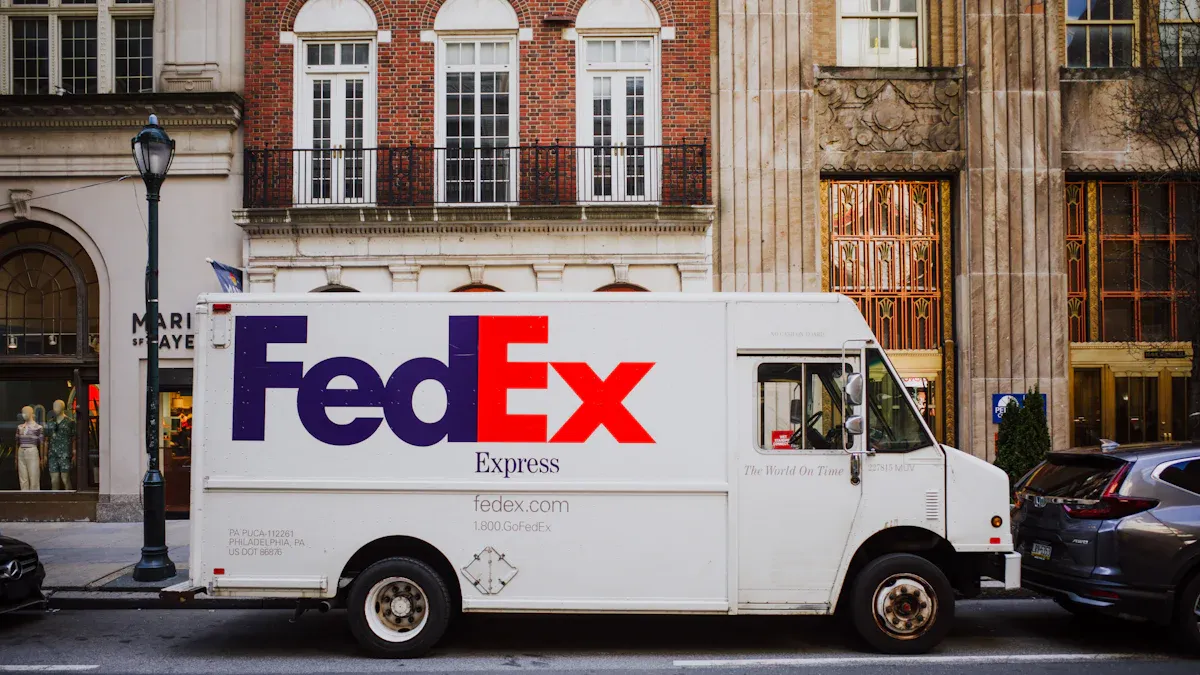
Ground shipping means moving packages and goods over land using trucks or trains. You see this method used for most shipments in the United States.
Percentage Share | |
|---|---|
Trucks | 67% - 94% |
Rail and Water | Rarely used |
Multi-modal | Second place |
Air Transport | 10% (for electronics) |
You depend on ground shipping because it offers affordable prices, wide coverage—even in remote areas—and reliable delivery for bulk or non-urgent items. The meaning of ground shipping also connects to sustainability, since it uses less energy than air transport.
Key Takeaways
Ground shipping is a cost-effective way to send packages over land, mainly using trucks and trains. It is ideal for non-urgent items.
You can expect delivery times of 1 to 5 business days for ground shipping, making it a reliable choice for most domestic shipments.
Ground shipping is eco-friendly, producing less carbon dioxide than air transport. Choosing it helps reduce your environmental impact.
Compare different carriers to find the best rates and services for your shipping needs. Look for options that fit your budget and delivery timeline.
Use tracking systems to monitor your package from pickup to delivery. This keeps you informed and reduces anxiety about your shipment.
Meaning of Ground Shipping
What Ground Shipping Is
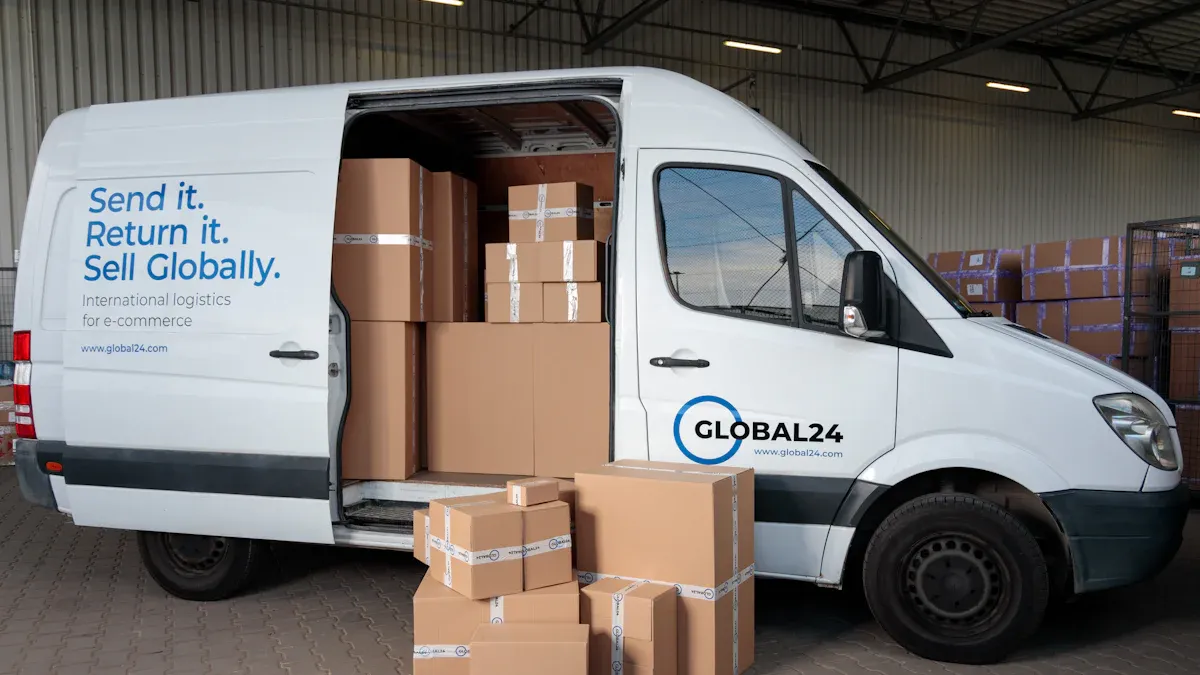
You often hear the term ground shipping when you shop online or send packages. The meaning of ground shipping is simple. It refers to moving goods over land, mainly by trucks and trains. You see this method used for most domestic deliveries because it offers a balance between cost and reliability. Major logistics organizations describe ground shipping as the standard way to transport items that do not need to arrive urgently.
Ground shipping uses trucks for flexible, regional, and local deliveries.
Rail freight moves heavy or bulk goods over long distances.
Intermodal shipping combines trucks and trains to improve efficiency.
You choose ground shipping when you want a cost-effective solution for short or medium distances. Many businesses use it as their default shipping option because it handles large shipments and keeps costs low. You can trust ground shipping for non-urgent items, such as books, clothes, or household goods.
Note: The meaning of ground shipping matters because it helps you pick the right shipping method for your needs. If you understand how it works, you can save money and avoid delays.
Key Features
You find several features that make ground shipping stand out from other methods. These features help you decide if it fits your shipping needs.
Cost-effective: Ground shipping usually costs less than air or express options. You save money, especially when sending heavy or bulky items.
Reliable for domestic deliveries: You can count on ground shipping for most locations in the country. Established road and rail networks make it dependable.
Eco-friendly: Trucks and trains produce less carbon dioxide per package than planes. You help the environment by choosing ground shipping.
Flexible delivery options: You can select from different delivery speeds, such as same-day, next-day, or standard service.
Handles large shipments: Ground shipping works well for bulk goods and large packages.
Here’s a quick comparison to help you see why ground shipping is a smart choice for short distances:
Transport Mode | Pros | Cons |
|---|---|---|
Ground | Slower for long hauls | |
Air | Fast delivery | High cost |
Rail | Good for bulk shipments over land | Limited flexibility |
Intermodal | Mix of modes, balance between cost and speed | More planning needed |
You may hear some myths about ground shipping. For example, you might think the cheapest quote is always best, but hidden fees can appear. Not all carriers offer the same service, so you should compare options. Insurance is important, even with trusted carriers. Accurate freight classification also matters for pricing and efficiency.
When you understand the meaning of ground shipping, you make better choices for your shipments. You avoid common mistakes and get the best value for your money.
How Ground Shipping Works
Shipping Process
You see ground shipping as a step-by-step journey for your package. Each stage helps make sure your item arrives safely and on time. Here is a simple breakdown of the process:
Step Number | Step Description | Purpose |
|---|---|---|
1 | Order Received | Verifies customer details and checks stock to prevent errors. |
2 | Order Picking | Locates and prepares items for packing to minimize mis-picks. |
3 | Order Packing | Selects packaging materials to reduce transit damage. |
4 | Shipping Label Creation | Generates a label for accurate routing. |
5 | Sorting | Groups packages for efficient pickups. |
6 | Carrier Pickup and Origin Scan | Collects packages and activates tracking. |
7 | Transit and Tracking | Moves packages through hubs with tracking updates. |
8 | Last-Mile Delivery | Delivers to the final address, affected by various factors. |
9 | Post-Delivery Steps | Handles returns and claims. |
You start by placing an order. The warehouse team picks and packs your items. They create a shipping label and sort packages for pickup. The carrier scans your package, which activates tracking. Your package travels through hubs and gets updates along the way. The last-mile driver delivers it to your door. If you need to return something, the process includes post-delivery steps.
Tip: Tracking systems let you follow your package from pickup to delivery. You get updates at each stage, which helps you plan and reduces worries.
Transportation Methods
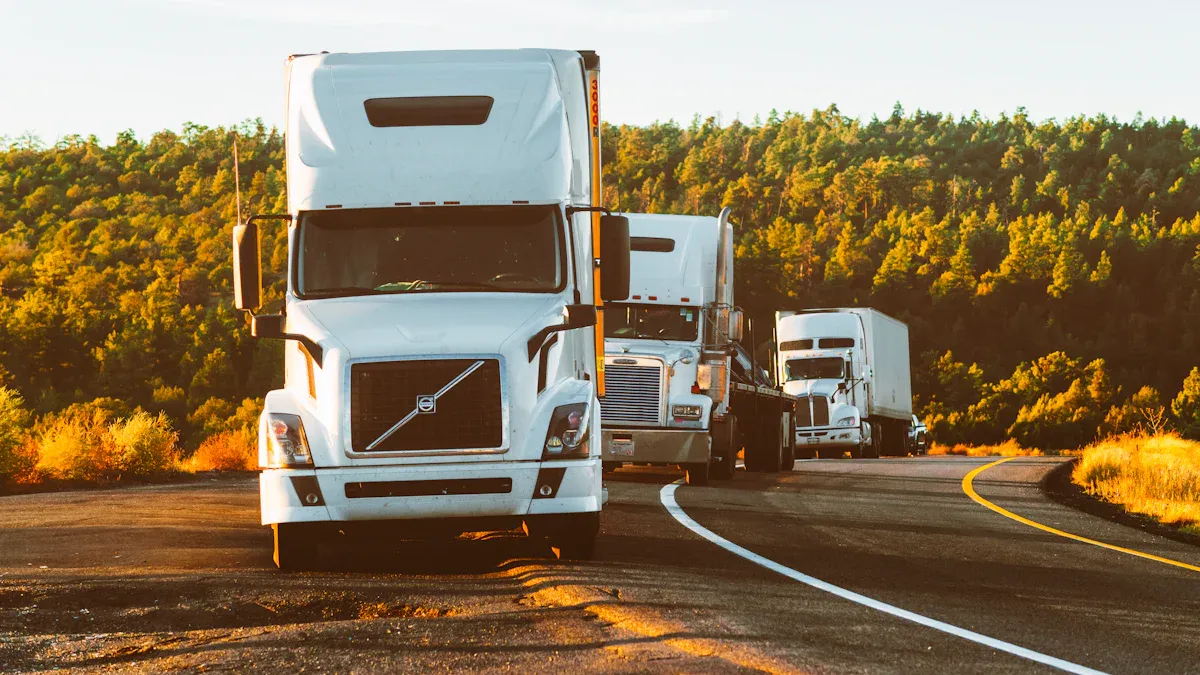
You rely on trucks and trains for ground shipping. Trucks handle local and regional deliveries. They pick up packages from warehouses and bring them to sorting centers or directly to your home. Trains move large shipments over long distances. Logistics companies often combine trucks and trains to make shipping faster and more efficient.
Coordination Aspect | Description |
|---|---|
Integration of Transport Modes | Companies combine trucks, rail, and ships to optimize shipping operations. |
Advanced Tracking Systems | Real-time tracking improves visibility and management of cargo, ensuring timely deliveries. |
Complementary Services | Services like transloading and drayage help packages move smoothly between trucks and trains. |
Logistical Complexity | Careful planning avoids delays and keeps shipments on track. |
Strategic Partnerships | Working with experienced providers improves coordination and efficiency. |
You see special services like transloading, which moves cargo between containers at warehouses or rail yards. Drayage uses short-haul trucks to connect ports, rail yards, and warehouses. Warehousing gives you flexible storage and helps manage cargo flow.
Recent technology makes ground shipping better. GPS helps drivers find the best routes and communicate quickly. Automated label generation saves time and reduces mistakes. AI helps companies plan routes and track packages in real time.
You benefit from these improvements. Companies use data to analyze delivery times and spot problems early. Better visibility means you know where your package is and when it will arrive. This boosts your satisfaction and helps businesses lower costs.
You now understand the meaning of ground shipping as a process that uses trucks, trains, and smart technology to deliver packages efficiently.
Delivery Times and Costs
Typical Timeframes
You want to know how long ground shipping takes. Most domestic ground shipments arrive within 2 to 5 business days. If you ship locally, your package may reach its destination in just 1 or 2 days. Regional deliveries often take 2 to 3 days. National shipments usually need 3 to 5 days to arrive. UPS® Ground delivers in 1 to 5 days, while USPS Priority Mail often arrives in 1 to 3 days.
Delivery Type | Estimated Time |
|---|---|
Local Deliveries | 1-2 business days |
Regional Deliveries | 2-3 business days |
National Deliveries | 3-5 business days |
Ground shipping takes longer than air or express shipping. You choose ground shipping when you do not need your package to arrive urgently. Air shipping works best for time-sensitive deliveries, but costs more. Ground shipping gives you a more affordable option for non-urgent shipments.
Tip: During busy seasons, such as holidays, delivery times may increase. Carriers handle more packages, which can cause delays.
Cost Factors
You notice several things affect the cost of ground shipping. The distance your package travels matters most. Shipping to remote areas or across many zones increases the price. The method you choose also changes the cost. Faster ground services cost more than standard options.
Package size and weight play a big role. Couriers use dimensional weight and actual weight to set prices. Oversized packages or those needing special handling cost extra. You pay more if your package is large or heavy.
Factor | Explanation |
|---|---|
Shipping Destination | Longer distances and remote areas increase costs. |
Shipping Method | Faster delivery options cost more. |
Fuel Costs | Rising fuel prices lead to higher shipping fees. |
Warehouse Efficiency | Good packing and handling lower costs by saving space and reducing returns. |
Seasonal changes also affect shipping costs. During holidays, carriers add temporary surcharges. You may see extra fees for residential deliveries or large packages. Planning ahead helps you avoid surprises and control your shipping budget.
Note: Compare couriers and shipping options before you send your package. You can save money by choosing the right service for your needs.
Ground Shipping vs. Other Methods
Ground vs. Air Shipping
You often choose between ground and air shipping based on how fast you need your package. Ground shipping moves packages by truck or train. Air shipping uses airplanes. Air shipping delivers faster, sometimes overnight, but it costs much more. Ground shipping usually takes 1 to 5 business days. You save money with ground shipping, especially for non-urgent deliveries.
Ground shipping also helps the environment. Trucks and trains create less carbon pollution than airplanes. Air shipping produces about ten times more carbon dioxide than road shipping. If you want a greener choice, ground shipping is better.
Tip: Air shipping works best for urgent or international deliveries. Ground shipping fits most domestic, non-urgent needs.
Ground vs. Express Shipping
Express shipping promises very fast delivery, like next-day or two-day service. You pay a premium for this speed. Ground shipping costs less and works well for most packages that do not need to arrive right away. Both ground and express shipping offer reliable tracking and delivery.
Here is a quick comparison:
Feature | Ground Shipping | Express Shipping |
|---|---|---|
Delivery Speed | 1 to 5 business days | Next Day Air, 2nd Day Air |
Cost | More cost-effective | Higher cost for expedited service |
Reliability | Consistent and dependable for nearby zones | High service levels with delivery guarantees |
Best For | Non-urgent deliveries | Time-sensitive shipments |
You can compare real-time ground shipping costs across different carriers. USPS is often the cheapest for light packages. UPS and FedEx may offer better rates for heavy or bulk shipments.
Pros and Cons
You find many advantages with ground shipping:
Lower cost for most packages
Wide coverage, including remote and military addresses
Reliable tracking from start to finish
Flexible package sizes, up to 70 pounds
You also see some drawbacks:
Slower delivery compared to air or express
Possible delays during busy seasons
Not ideal for urgent or international shipments
Ground shipping gives you a balance of price, coverage, and reliability. You help the environment and save money, but you trade off speed. For most non-urgent shipments, ground shipping is a smart and practical choice.
Major Couriers and Tips
Leading Couriers
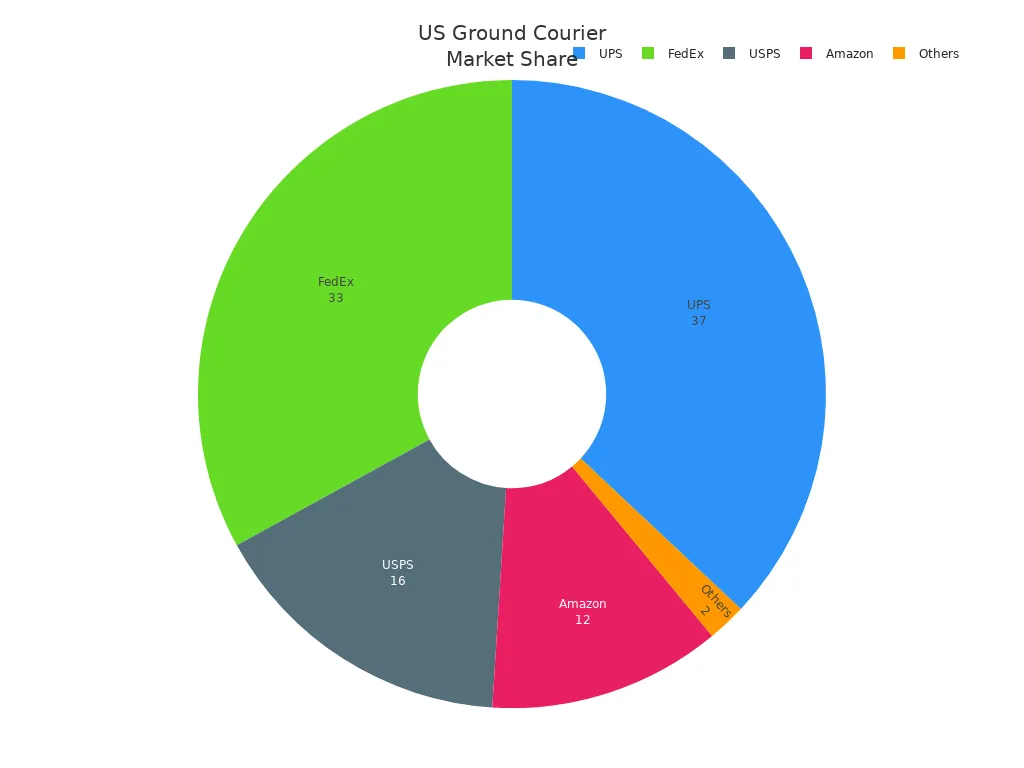
You see several major couriers offering ground shipping in the United States. Each company has its own strengths and coverage. UPS holds the largest market share, followed by FedEx, USPS, and Amazon. DHL focuses more on international shipping but still plays a role in domestic deliveries.
Courier | Market Share |
|---|---|
UPS | 37% |
FedEx | 33% |
USPS | 16% |
Amazon | 12% |
Others | 2% |
You can compare their ground services:
Carrier | Coverage Details | Reliability Insights |
|---|---|---|
UPS | Strong domestic coverage, including rural areas. | Reliable tracking and consistent delivery. |
FedEx | Broad access with a hybrid model. | Good for bulk shipments, but tracking may have gaps during handoff. |
USPS | Delivers to more addresses than any other carrier, including P.O. Boxes. | Basic tracking, but coverage is unmatched. |
DHL | Relies on USPS for last-mile delivery in the U.S. | Less reliable for domestic, but strong for international shipments. |
You notice that UPS and FedEx offer robust tracking and handle large volumes. USPS reaches every address, even remote locations and P.O. Boxes. DHL provides international expertise but depends on USPS for final delivery in the U.S.
Practical Tips
You want to choose the best ground shipping provider for your needs. Consider these important factors:
Cost of shipping. Compare pricing structures and look for bulk discounts.
Shipping time. Check expected delivery times for your destination.
Tracking and visibility. Select a provider with real-time tracking and shipment notifications.
Package size and weight restrictions. Make sure your packages fit within carrier limits.
You can save money and improve your shipping experience by following these tips:
Use shipping software to automate processes and spot cost-saving opportunities.
Negotiate with carriers for better rates based on your shipping volume.
Offer customers multiple shipping options to meet different needs.
Choose the right-sized packaging and reduce package weight.
Use flat rate shipping when possible.
Monitor when shipping rates change and look for discounted supplies.
Use third-party insurance for extra protection.
Shipping insurance gives you peace of mind. You protect your packages against loss or damage. Tracking options keep you informed and help you plan for delivery.
You improve your ground shipping results by comparing providers, optimizing packaging, and using technology. You build trust with your customers and keep costs under control.
You now understand ground shipping as a reliable, cost-effective way to move packages. You see that it works best for non-urgent shipments and helps businesses save money. The table below highlights key points to remember:
Shipment Size | Delivery Time | Cost | Best Use |
|---|---|---|---|
Small | Slower | Low | < 250 miles |
Medium | Moderate | Balanced | 250-1000 miles |
Large | Fastest | Lowest | Any distance |
Ground shipping suits flexible timelines and stable supply chains.
You should compare providers, shipment size, and delivery needs before choosing.
Standard shipping gives you the best value for most domestic deliveries.
FAQ
What is the difference between ground shipping and standard shipping?
You see ground shipping used for packages that travel by truck or train. Standard shipping often means the cheapest option available, which usually uses ground shipping for domestic deliveries.
How can you track your ground shipment?
You receive a tracking number from your carrier. Enter this number on the carrier’s website. You see updates for each step, from pickup to delivery.
Is ground shipping safe for fragile items?
You can ship fragile items safely with ground shipping. Use strong packaging and padding. Mark your box as “Fragile” to help handlers take extra care.
Why does ground shipping sometimes take longer during holidays?
Carriers handle more packages during holidays. You may see delays because trucks and sorting centers get busy. Plan ahead to avoid late deliveries.
See Also
PGL's Specialized Ocean Freight for Oversized Cargo Solutions
Maximize Savings with PGL's Nationwide Full Truckload Services
Comprehensive Freight Solutions: LTL and FTL by PGL
Reliable Ocean Shipping Services from PGL's U.S. Ports
Fast and Flexible Freight Delivery Across the Northeast by PGL
