How Warehouse Integration Drives Supply Chain Efficiency in 2025
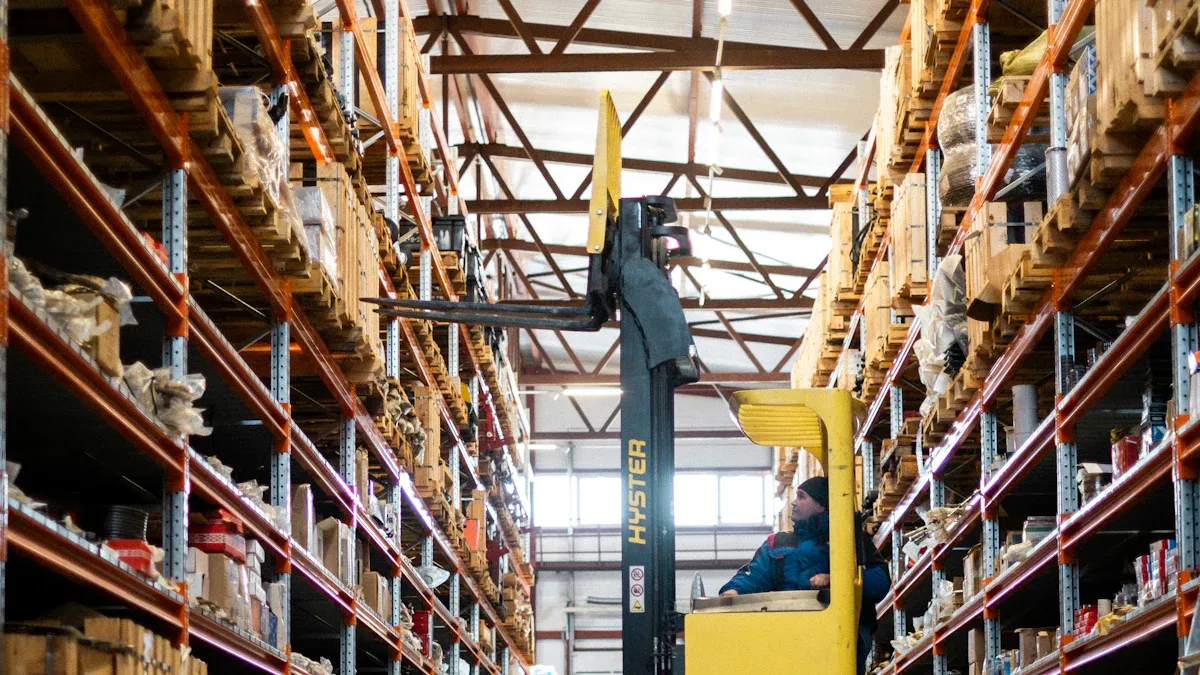
Warehouse integration changes how you manage supply chains in 2025. Most companies now use advanced systems, as shown below:
Metric | Adoption Rate |
|---|---|
Use of Warehouse Management Systems | |
Integration of warehouse technologies | Over 90% |
You gain real advantages from warehouse supply chain integration. You see faster shipping, lower costs, and improved accuracy. Smart warehouses use automation and data to help you make better decisions. You meet customer needs with fewer errors and faster fulfillment. With these tools, you stay ahead in a fast-moving market.
Key Takeaways
Warehouse integration boosts supply chain efficiency by connecting storage, packing, and shipping systems. This leads to faster deliveries and fewer errors.
Real-time inventory visibility allows you to track stock levels instantly. This helps prevent stockouts and optimizes warehouse space.
Automation and robotics reduce manual labor and errors. These technologies improve accuracy and speed up order fulfillment.
Integrating Warehouse Management Systems (WMS), Transportation Management Systems (TMS), and Enterprise Resource Planning (ERP) software enhances communication and reduces delays.
Implementing warehouse integration requires clear goals, proper technology selection, and a detailed roadmap to overcome challenges and ensure success.
Integration Impact on Supply Chain Efficiency

Direct Benefits in 2025
You see big changes in your operations when you use warehouse supply chain integration. This approach connects your storage, packing, and shipping systems. You get faster deliveries and fewer mistakes. Here are some of the most important benefits you can expect in 2025:
Reduced transit times: Integrated storage and fulfillment mean you do not need extra trips between locations. Your products reach customers faster.
Improved accuracy: When your systems work together, you make fewer errors in order processing.
Real-time inventory visibility: You can track your stock levels instantly. This helps you avoid running out of products and lets you use your warehouse space better.
Shorter lead times: You can respond quickly to changes in demand. This makes your supply chain more flexible.
Tip: Real-time data gives you instant updates on your inventory and orders. You can make better decisions and avoid costly mistakes.
Many companies have seen real results. In 2025, a global retailer increased order fulfillment speed by 25% after using AI-powered warehouse management. Some warehouses boosted order processing capacity by 20–30% with autonomous robots. These changes also led to a 30% drop in operational costs and almost perfect inventory accuracy.
You also gain better visibility and coordination. The table below shows how integrated systems compare to non-integrated systems:
Benefit | Integrated Systems | Non-Integrated Systems |
|---|---|---|
Visibility | Real-time updates, no discrepancies | Outdated information |
Coordination | Fast, smooth operations | Delays and waste from poor coordination |
Error Reduction | Fewer manual checks, more accuracy | More errors in orders and stock handling |
You can see that warehouse supply chain integration gives you a clear edge. You get faster, more accurate, and more reliable operations.
Addressing Modern Supply Chain Challenges
You face many challenges in your supply chain today. Inventory accuracy is a big problem. Many warehouses only reach 85-90% accuracy. This can hurt customer satisfaction and raise costs. Labor shortages also affect most facilities, making it hard to keep up with demand. Technology integration issues can block real-time visibility, making other problems worse. Returns have become more complex, with e-commerce return rates at 20-30%. Seasonal demand spikes can push order volumes up by 200-400%, creating even more pressure.
Warehouse supply chain integration helps you solve these problems:
Enhanced visibility: Real-time tracking lets you see your inventory at all times. You spot problems before they grow.
Error reduction: Automated storage and picking systems cut down on human mistakes.
Optimized space use: Smart systems help you use every inch of your warehouse.
Increased productivity: Streamlined workflows speed up order fulfillment and restocking.
Automation: Automated systems handle routine tasks like counting and tracking inventory. You do not need to rely on manual work.
Note: When you track inventory in real time, you avoid overselling and disappointing your customers. You keep your reputation strong and your business growing.
You also gain the ability to adapt quickly. Information flows smoothly across your systems. You can scale your operations as needed. You stay agile and ready for any changes in demand. Synchronized warehouse operations, powered by IoT and advanced management systems, let you respond fast to new challenges. This level of integration is key for success in 2025.
Warehouse Supply Chain Integration Explained
What Integration Means Today
You see warehouse supply chain integration as a unified way to manage all your logistics operations. This approach connects warehousing, inventory, transportation, and order fulfillment into one smooth process. You do not need to switch between different systems or wait for updates. Everything works together in real time.
Here is how each part fits into the bigger picture:
Component | Description | Benefits |
|---|---|---|
Warehousing | Central storage for goods | Better inventory management |
Inventory Management | Tracks stock levels instantly | Fewer stockouts and overstock |
Transportation | Moves goods from suppliers to customers | Faster delivery |
Order Fulfillment | Processes customer orders quickly | Happier customers |
Data Sharing | Shares information between all parts instantly | Smarter decisions |
Cost Management | Makes operations more efficient | Lower costs |
Customer Service | Meets customer needs with an integrated approach | More loyal customers |
Tip: When you use a unified management framework, you boost efficiency and cut costs. You also keep your customers happy with faster service.
You can also adapt to new business needs quickly. This flexibility helps you stay ahead in a changing market.
Key Differences from Traditional Warehousing
You may wonder how this new way is different from the old model. Traditional warehousing often uses batch processing and manual updates. You might wait hours or days for data. Modern integration gives you real-time information and more flexible systems.
Here is a quick comparison:
Aspect | Traditional Warehousing | Current Integration Practices |
|---|---|---|
Data Processing | Batch updates | |
Data Storage | Centralized warehouses | Data lakes and cloud solutions |
Architecture | Physical consolidation | Virtual and logical connections |
Flexibility | Fixed structures | Dynamic and adaptable |
Integration Tools | Manual coding | Low-code/no-code connectors |
You also see better results with integrated systems. Order accuracy jumps from 96% to over 99%. Inventory accuracy rises from 93% to nearly 99%. Labor productivity improves by up to 20%. Financial close time drops from 10 days to just 2 or 3 days.
Traditional systems rely on ETL (Extract, Transform, Load) processes.
Modern systems use ELT (Extract, Load, Transform) and support cloud-based solutions.
Data lakes let you store raw data, not just structured data.
Note: With warehouse supply chain integration, you get faster, more accurate, and more flexible operations than ever before.
Enabling Technologies and Systems
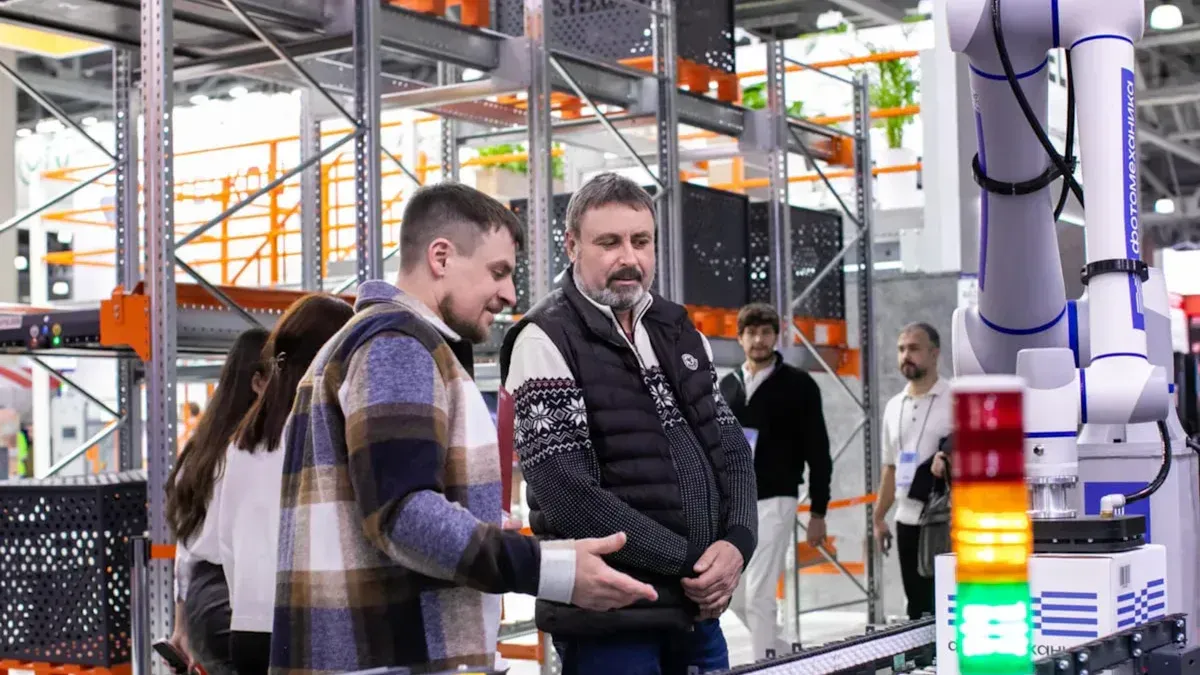
WMS, TMS, and ERP Integration
You can boost your supply chain by connecting Warehouse Management Systems (WMS), Transportation Management Systems (TMS), and Enterprise Resource Planning (ERP) software. This integration helps you avoid delays and errors that come from manual order handling. You get smoother communication between your warehouse and transport teams. Your operations become more efficient because you automate many tasks and reduce mistakes in shipments.
You prevent delays by automating order handling.
You reduce errors in shipments.
You improve communication between warehouse and transport teams.
You synchronize operations, which helps you make better decisions.
You get more transparency, so you can make smart choices.
When you use warehouse supply chain integration, you remove duplicated processes and create seamless workflows. Automation lets you focus on important tasks instead of repeating the same steps. You also keep your data consistent, which means you can track inventory, orders, and deliveries with more accuracy.
Tip: Synchronized systems help you spot problems early and fix them before they grow.
Automation, Robotics, and IoT
Automation and robotics change how you run your warehouse. Robots take care of repetitive jobs, so you need less manual labor and make fewer mistakes. Automated sorters can cut sorting costs by half. Robots also use less energy and help you manage space better. Predictive diagnostics keep your machines running and lower maintenance costs.
Mechanism | Description |
|---|---|
Labor Optimization | Robots handle repetitive tasks, improving accuracy and reducing labor needs. |
Energy Efficiency | Robots use less energy than old machines. |
Error Reduction | Automation lowers mistakes and costly rework. |
Space Optimization | Automation helps you use your warehouse space wisely. |
Maintenance Minimization | Predictive tools prevent breakdowns and control costs. |
Inventory Management | Robots track inventory in real time, stopping overstock and shortages. |
The Internet of Things (IoT) gives you real-time alerts and insights. You can keep your goods safe and manage your warehouse better. IoT devices let you see what is happening right now, so you can respond quickly to changes. You make smarter decisions and keep your warehouse running smoothly.
Real-Time Data and Analytics
Real-time data helps you see what is happening in your warehouse every second. You can find and fix problems as soon as they appear. You track key numbers like order flow, system performance, and resource use. Predictive analytics lets you plan for the future and avoid running out of stock or having too much inventory.
You get instant insights, so you can manage disruptions fast.
You make decisions quickly with up-to-date information.
You spot bottlenecks and improve delivery routes.
You keep your data accurate, which helps you trust your reports.
Note: Real-time data and analytics make warehouse supply chain integration even more powerful. You can serve your customers better and keep your costs low.
Real-World Results and Best Practices
Measurable Improvements and Case Studies
You can see clear improvements when you use warehouse supply chain integration. Many companies report faster fulfillment, fewer errors, and lower costs. For example, DHL saved 7% on direct costs and 15% for retail clients. Pharmacy Services improved forecast accuracy by 47%, reduced inventory by 14%, and increased inventory turns by 34%.
Company | Improvement Type | Percentage/Metric |
|---|---|---|
DHL | Direct Savings | 7% |
DHL | Savings for Retail | 15% |
Pharmacy Services | Forecast Accuracy | 47% |
Pharmacy Services | Reduction in Inventory | 14% |
Pharmacy Services | Inventory Turns | 34% |

You can also use automated product tracking and barcode scanners to reduce errors. Machines work without distractions, so you get more consistent results. Robotic picking and packing systems help you deliver orders faster and improve customer experience. Real-time tracking lets you see where orders are at any moment, which increases efficiency.
Tip: Automated systems help you avoid mistakes and keep your customers happy.
Implementation Steps and Overcoming Challenges
You can follow these steps to make your integration successful:
Define your data integration goals. Set clear objectives.
Assess your current systems and data sources. Find gaps and issues.
Choose the right integration approach and solution. Think about your needs.
Select the right technology and tools. Make sure they can grow with your business.
Establish data governance and quality standards. Keep your data clean.
Plan for security and compliance. Protect your information.
Create a detailed implementation roadmap. Show early wins and keep things moving.
You may face challenges like workforce resistance, system compatibility issues, high upfront costs, and data security concerns. You can overcome these by training your team, using cloud-based solutions, and investing in security. In retail and e-commerce, integration improves inventory reporting and decision-making. Real-time tracking helps prevent theft and improves security. Centralized order handling makes customer management easier.
Note: You can solve most problems with good planning and the right tools.
Warehouse integration gives you a clear path to supply chain efficiency. You gain better data accuracy, streamlined operations, and lower costs. The table below shows the most impactful benefits:
Benefit | Description |
|---|---|
Enhanced Data Accuracy | You reduce errors and trust your numbers. |
Streamlined Operations | Automation boosts productivity and speeds up order processing. |
Cost Reduction | You save money and increase profits. |
Scalability | You handle growth and complex tasks with ease. |
Future-Proofing | You stay ready for new changes and technology. |
Digital tools like AI, cloud computing, and blockchain help you predict demand and manage inventory. You can take these steps to succeed:
Use smart WMS and ERP systems for real-time tracking.
Train your team to work with new technology.
Start with small changes and grow over time.
Explore resources on automation, energy-efficient systems, and integration platforms to keep improving your warehouse. You stay competitive and ready for the future.
FAQ
What is warehouse supply chain integration?
You connect your warehouse systems with inventory, transportation, and order management. This integration helps you track products, automate tasks, and improve accuracy.
Tip: Integrated systems let you see inventory and orders in real time.
How does integration reduce costs?
You save money by automating tasks and reducing errors. Fewer mistakes mean less waste. You also use space and labor more efficiently.
Benefit | How It Saves Money |
|---|---|
Automation | Cuts labor costs |
Error Reduction | Lowers returns |
Space Use | Maximizes storage |
What technologies do you need for integration?
You need Warehouse Management Systems (WMS), Transportation Management Systems (TMS), and Enterprise Resource Planning (ERP) software. Robots and IoT devices help automate and track operations.
WMS for inventory
TMS for shipping
ERP for business data
Can small businesses use warehouse integration?
You can use integration even if you run a small business. Cloud-based solutions make it affordable. You start with basic systems and add more features as you grow.
Note: Many small companies use integration to compete with larger businesses.
See Also
Connecting Warehouses and Enhancing Supply Chains with PGL
Choosing the Ideal U.S. Warehousing and Fulfillment Solution
Seamless Warehouse Transfers with Premier Global Logistics Services
Enhancing Global Operations Through Innovative Logistics Solutions
Simplifying Supply Chain Optimization with U.S. Logistics Solutions
