7 Practical Tips to Streamline Domestic Supply Chain Operations

You can achieve real results by streamlining domestic supply chain operations. Expect lower costs, higher efficiency, and a stronger competitive edge. Consider these facts:
Automation cuts repetitive tasks and errors, saving money.
Robotic process automation boosts order handling and supplier communication.
Warehouse automation improves accuracy and reduces labor costs.
Advanced supply chain management tools can lower costs by up to 20%, helping you stay ahead. Now is the time to review your current processes and get ready to make practical changes.
Key Takeaways
Map your supply chain workflows to identify bottlenecks and inefficiencies. This visual representation helps you spot slowdowns and improve processes.
Standardize procedures across your supply chain to reduce errors and save time. Consistent steps lead to better efficiency and customer satisfaction.
Enhance communication with all stakeholders to align goals and share information. Clear expectations lead to faster decision-making and fewer mistakes.
Integrate your supply chain systems for centralized data access. This improves accuracy and allows for quicker responses to changes.
Automate repetitive tasks to save time and reduce costs. Automation leads to fewer errors and faster order processing, boosting overall efficiency.
Analyze and Optimize Processes
Workflow Mapping
You need to see every step in your supply chain. Start by drawing a clear map of your workflows. This map shows how goods move from suppliers to your customers. When you lay out each step, you can spot where things slow down or get stuck.
Tip: Use simple flowcharts or diagrams. Involve team members from different departments. They can help you see the full picture.
Here are the most common bottlenecks companies face:
Bottleneck Type | Description | Common Symptoms |
|---|---|---|
Upstream bottlenecks | Supplier delays or raw material shortages | Unpredictable lead times, stockouts |
Production bottlenecks | Capacity limits in manufacturing or packaging | Missed production targets, idle labor |
Logistics bottlenecks | Freight, port, or last-mile delays | Late deliveries, inflated costs |
Identify Inefficiencies
Once you have your workflow map, look for problem areas. Many companies struggle with inventory management, transportation delays, and communication gaps. Recent studies show that 61% of companies face raw material shortages. Also, 77% have experienced supply chain disruptions in the past year. These numbers show that bottlenecks are common.
You can use this checklist to spot inefficiencies:
Check for inventory issues like stockouts or too much stock.
Review transportation routes for delays.
Ask if your team shares information quickly and clearly.
See if you use technology to track orders and shipments.
Standardize Procedures
Standardizing your processes helps everyone follow the same steps. This reduces mistakes and saves time. The SCOR model gives you a framework to measure your performance and compare it to industry standards. When you standardize, you can improve efficiency, streamline results, and increase supply chain sustainability.
Here is how standardization impacts your business:
Metric Type | Impact on Business Outcomes |
|---|---|
Customer Service Levels | Influences customer satisfaction and retention rates |
Cost Metrics | Determines profitability and operational efficiency |
Supply Chain Performance | Aligns with business goals for competitive advantage |
By analyzing and optimizing your processes, you take the first step toward streamlining domestic supply chain operations.
Enhance Communication and Collaboration
Strong communication and collaboration help you build a supply chain that can handle challenges and changes. When you connect with all stakeholders, you create a team that works together to solve problems and reach goals.
Stakeholder Alignment
You need to make sure everyone in your supply chain shares the same goals. When you align your team, you avoid confusion and wasted effort. Use technology to share information and keep everyone updated. This approach helps you spot problems early and act fast.
Benefit | Description |
|---|---|
Enhanced communication fosters collaboration, creating a responsive ecosystem that can handle disruptions. | |
Real-Time Visibility | Access to up-to-date information allows stakeholders to work together effectively, minimizing delays. |
Proactive Risk Management | Early detection of potential hazards enables preemptive strategies to mitigate risks and delays. |
Cost Savings | Identifying inefficiencies early leads to opportunities for cost reduction through better resource allocation. |
Increased Agility | Strong partnerships allow for quick responses to unexpected events, improving overall operations. |
Best practices for stakeholder alignment include:
Best Practice | Description |
|---|---|
Use tools like IoT and blockchain to share supply chain data and spot issues early. | |
Optimize Inventory Management | Streamline processes to reduce overhead and keep inventory at the right level. |
Align Objectives Across the Supply Chain | Make sure everyone works toward the same goals to avoid confusion and delays. |
Clear Expectations
Set clear expectations with your partners and team. When everyone knows what to do and when to do it, you reduce mistakes and delays. Here are some benefits of clear expectations:
Increased order accuracy helps you fulfill customer requests.
Fewer order errors mean less confusion and fewer returns.
Better inventory management keeps stock at the right level.
Improved transparency lets customers track orders in real time.
More satisfied customers come from fewer delays and better service.
Tip: Write down your expectations and share them with all partners. Review them often to keep everyone on track.
Faster Decision-Making
Quick decisions keep your supply chain moving. When you use collaborative platforms, you can share information in real time. This helps you act fast and avoid problems. Studies show that these platforms can cut response times by 25%. You also use your resources better and improve your supply chain’s performance.
Collaboration leads to faster and smarter decisions.
Real-time data sharing helps you solve problems quickly.
Seamless communication keeps everyone informed and ready to act.
By focusing on communication and collaboration, you take a big step toward streamlining domestic supply chain operations.
Integrate Supply Chain Systems
Centralized Data
You need a single source of truth for your supply chain. Centralized data management gives every department access to the same, up-to-date information. This approach improves accuracy because everyone works with current data. You avoid mistakes that come from using outdated or mismatched records. Automated data validation checks your information for errors before they cause problems. When you use a centralized data strategy, you respond faster to changes and make better decisions. This step is essential for streamlining domestic supply chain operations.
Remove Data Silos
Data silos keep information locked away in separate systems. When you break down these barriers, your team can work together more easily. Removing silos helps you share information across departments and with partners. The benefits are clear:
Benefit | Description |
|---|---|
Improved Collaboration | Centralizing data reduces technical incompatibilities, allowing stakeholders to collaborate effectively. |
Enhanced Efficiency | Seamless data flow improves operational efficiency and relationships among trading partners. |
Informed Decision-Making | Access to comprehensive data enables organizations to identify risks, underperformance, and growth opportunities. |
Increased Visibility | 60% of logistics service providers report that end-to-end visibility yields the best ROI in supply chain processes. |
Only 6 percent of companies have achieved full supply chain visibility. You can set your business apart by focusing on integration and transparency.
Real-Time Tracking
Real-time tracking technology changes how you manage your supply chain. You see where your goods are at every moment. This visibility helps you act quickly if something goes wrong. Companies using real-time tracking report a 5 to 6 percent increase in productivity and profitability. Real-time shipment tracking can reduce delays by up to 58%. Warehouses that use real-time data cut their response times to disruptions by half.
Real-time tracking gives you better visibility and transparency.
You can monitor goods from supplier to customer and solve problems before they grow.
Communication and teamwork improve across your supply chain.
Real-time updates help you adapt quickly to disruptions and keep customers happy.
When you integrate your systems, you build a supply chain that is accurate, efficient, and ready for any challenge.
Automate Supply Chain Tasks
Automation helps you save time and money in your supply chain. You can use technology to handle tasks that once needed manual work. This change leads to fewer mistakes and faster results. Here are some of the most common tasks you can automate:
Task | Description |
|---|---|
Inventory Management | Automated systems track inventory levels in real-time and trigger reordering when stock is low. |
Order Fulfillment | Robotic picking and automated packing speed up the order completion and dispatch processes. |
Warehouse Operations | Automated systems improve storage efficiency and reduce reliance on manual labor. |
Transportation and Logistics | Route optimization and real-time tracking enhance delivery efficiency and customer satisfaction. |
Procurement and Supplier Management | Automates purchasing tasks, improving supplier relationships and contract management. |
You gain increased efficiency, cost savings, improved accuracy, and better transparency by automating these tasks.
Order Processing Automation
You can speed up order processing by using automation tools. These tools handle orders from start to finish with little human help. The results are clear:
Source | Reduction in Order Processing Time |
|---|---|
Artsyl Tech | |
Nextmatter | From days to hours |
Hopstack | From 2-3 days to 1-2 hours |
You process orders faster and make fewer mistakes. This step is key for streamlining domestic supply chain operations.
Warehouse Robotics
Robots in warehouses take care of picking, packing, and moving goods. You lower labor costs and boost order accuracy. Here are some benefits:
Robots handle repetitive tasks, so your team can focus on more important work.
Automation reduces human error and improves accuracy.
You see cost savings and faster order fulfillment.
Tip: Start with one area, like robotic picking, and expand as you see results.
Digital Documentation
Switching to digital documents makes your supply chain faster and greener. You cut costs and share information instantly. See how digital documentation compares to paper-based processes:
Aspect | Traditional Paper-Based Processes | Digital Documentation |
|---|---|---|
Printing and Shipping Costs | High | Low |
Courier Services | Required | Not Required |
Overall Cost Impact | Significant | Substantial Savings |
You also enjoy instant sharing, fewer manual errors, and quicker customs clearance. Digital documentation reduces paper waste and lowers carbon emissions, helping you meet your ESG goals.
Automating supply chain tasks gives you a strong advantage. You save time, reduce costs, and improve accuracy, all while streamlining domestic supply chain operations.
Improve Inventory Management
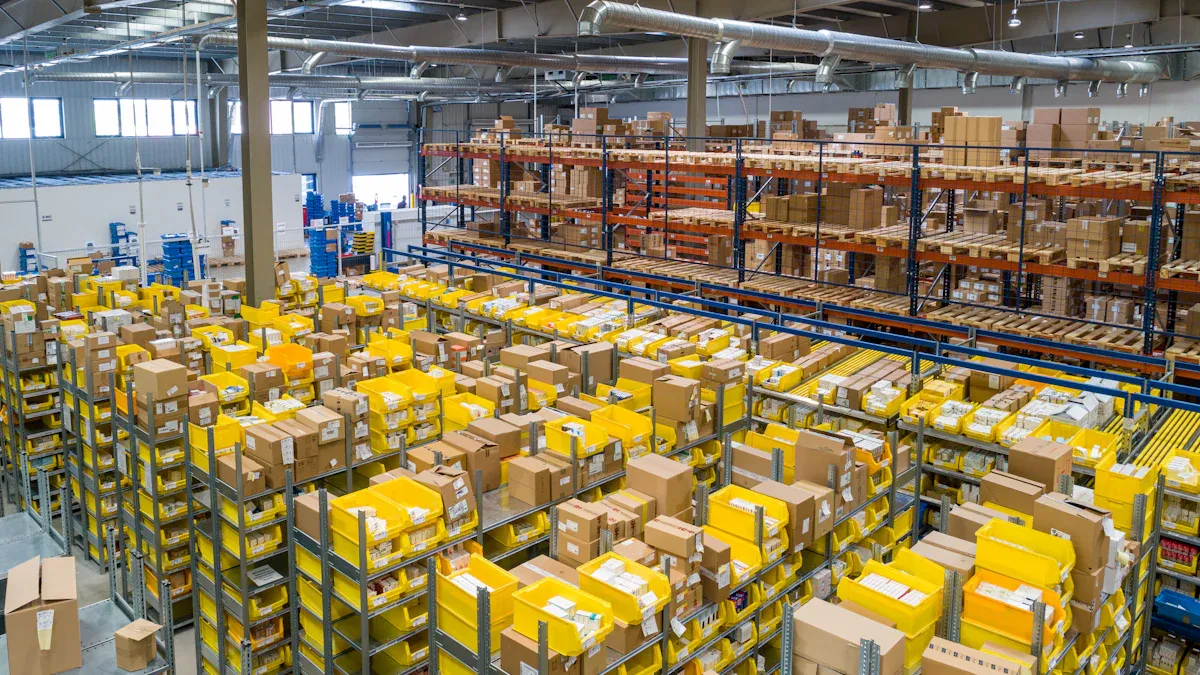
You can make your supply chain stronger by improving how you manage inventory. Good inventory management helps you avoid waste, save money, and keep customers happy.
Just-In-Time Inventory
Just-in-time (JIT) inventory means you get products only when you need them. This method keeps your storage costs low and reduces waste. JIT works best when you and your suppliers work closely together. You need to plan carefully and use accurate forecasts. Here are some important points about JIT:
JIT requires you to sync deliveries with your suppliers.
If there is a supply chain problem, you might run out of stock and disappoint customers.
When you use JIT well, you deliver on time and reduce product defects.
JIT depends on strong supplier relationships and good forecasting. If these fail, you risk losing sales and customers.
Tip: Build strong partnerships with suppliers and use reliable data to make JIT work for you.
Inventory Software
Inventory management software helps you track products, plan orders, and avoid mistakes. The right software gives you real-time data and helps you make smart decisions. Look for these features when choosing a system:
Feature | Description |
|---|---|
Priority-based Planning | Lets you focus on urgent needs first, making your supply chain more efficient. |
Demand-driven Planning | Helps you respond quickly to changes in customer demand. |
Order Splitting | Breaks big orders into smaller ones, so you avoid running out of stock. |
Using software with these features helps you keep the right amount of stock and avoid costly mistakes.
Demand Forecasting
Demand forecasting uses data to predict what your customers will buy. Accurate forecasts help you keep enough stock without having too much. Here is how demand forecasting helps your business:
You can maximize profits by making and storing the right amount of products.
Customers find what they want, so they stay happy.
You avoid running out of stock or having too much, which saves money.
You lower storage costs and reduce waste, especially for items that spoil.
Regularly checking your forecasts helps you get better over time.
AI tools make your forecasts more accurate and reduce the risk of stockouts.
Here are some top strategies to cut inventory costs:
Strategy | Description |
|---|---|
Audit current inventory costs | Find out where your money goes and spot areas to save. |
Improve demand forecasting | Use data to avoid having too much or too little stock. |
Automate inventory replenishment | Restock automatically to keep inventory at the right level. |
Remove obsolete stock | Get rid of items that do not sell to free up space and money. |
By focusing on these steps, you take a big step toward streamlining domestic supply chain operations.
Strengthen Supplier Partnerships
Building strong supplier partnerships helps you create a reliable and flexible supply chain. You need to focus on regular evaluation, smart sourcing, and open communication to get the best results.
Regular Evaluation
You should check your suppliers’ performance often. This helps you spot problems early and keep your supply chain running smoothly. Use the right frequency based on how much you buy from each supplier.
Description | |
|---|---|
Monthly | Regular assessments for high purchase volume. |
Quarterly | Standard reviews for moderate purchase volume. |
Biannually | Less frequent checks for low criticality items. |
When you review suppliers, look at price, quality, technology use, and trust. Here are key factors to consider:
Factor | Description |
|---|---|
Pricing vs Quality | Balance cost and quality to avoid extra expenses and protect your reputation. |
Use of Technology | Suppliers who use technology can adapt and work better with you. |
Scalability | Choose suppliers who can grow with your needs. |
Trust & Stability | Reliable suppliers prevent disruptions. |
Supplier Performance | Consistent performance keeps your operations on track. |
Communication & Accessibility | Good communication helps solve problems quickly. |
Location | Local suppliers may offer faster delivery and more flexibility. |
Factory-Direct Sourcing
Going straight to the factory can give you more control and save money. You can customize products and get faster turnaround times. However, you need to watch for risks like quality issues or communication problems.
Benefits | Risks |
|---|---|
Cost Savings | Quality Control Issues |
Product Customization | Communication Barriers |
Quality Control | Potential IP Protection Issues |
Faster Turnaround Times |
Tip: Start with a small order when trying a new factory. This helps you test quality and communication before making a big commitment.
Transparent Communication
Clear and open communication with suppliers leads to better results. When you set clear expectations and share updates, you get faster and more accurate deliveries. You also build trust and loyalty.
Effective communication improves order fulfillment.
Timely updates help you keep the right amount of inventory.
Consistent contact protects your brand and keeps customers happy.
You can follow these steps to improve communication:
Set clear delivery timelines.
Use digital tools to share forecasts and inventory levels.
Review your communication process to make sure it supports fast and reliable deliveries.
By focusing on these areas, you make supplier partnerships a key part of streamlining domestic supply chain operations.
Leveraging Technology for Streamlining Domestic Supply Chain Operations

Technology gives you powerful tools for streamlining domestic supply chain operations. You can use new trends to make your supply chain faster, smarter, and more reliable.
AI and Machine Learning
AI and machine learning help you make better decisions every day. These tools can spot problems before they grow and suggest ways to fix them. Here are some ways you can use AI:
Quality assurance: AI finds product defects early, saving time and money.
Inventory management: AI studies sales data to keep the right amount of stock.
Supplier selection: AI reviews supplier performance and helps you choose the best partners.
Delivery logistics: AI plans delivery routes to save fuel and deliver faster.
AI also helps with real-time decision-making and cost savings. Machine learning predicts demand, so you avoid shortages. Robots powered by AI can pick and pack items with high accuracy. Natural language processing tools watch for trends that might slow down your shipments.
Tip: Start with one AI tool, like demand forecasting, and see how it improves your results.
Cloud Solutions
Cloud solutions make it easy for you to manage supply chain data from anywhere. You can scale your resources up or down as your business changes. Cloud platforms help you track sustainability goals and cut costs by removing the need for on-site upgrades.
Advantage | Description |
|---|---|
Adjust resources quickly to match your needs. | |
Sustainability | Track and improve green practices across your supply chain. |
Cost Efficiency | Use provider resources to save money on upgrades and maintenance. |
See all your data in one place for better planning and forecasting. | |
Improved Collaboration | Share information quickly with partners, even if they are far away. |
Cloud solutions help you work with your team and partners in real time. You can make decisions faster and keep your supply chain running smoothly.
IoT Monitoring
IoT monitoring gives you a clear view of your goods at every step. Sensors track your shipments and watch for problems like temperature changes or delays. You get alerts if something goes wrong, so you can act fast.
Benefit | Description |
|---|---|
Seamless Integration | Connects with your other systems for a full view of goods in transit. |
Tracks assets and conditions as they move through the supply chain. | |
Condition Monitoring | Watches for issues like heat or humidity that could damage products. |
Route Optimization | Finds the best delivery routes using real-time data. |
Security Alerts | Warns you about tampering or unexpected stops. |
Predictive Analytics | Forecasts delays or equipment problems before they happen. |
Cost Reduction | Cuts costs while giving you better control and visibility. |
IoT helps you spot risks early and keep your supply chain safe and efficient. When you use these technologies together, you take a big step toward streamlining domestic supply chain operations.
You can start streamlining domestic supply chain operations today by using these seven practical tips. Each step helps you cut costs, boost efficiency, and stay ahead of your competition. Choose the tips that fit your business best and put them into action. Review your progress often. Make changes as you learn what works. This approach keeps your supply chain strong and ready for the future.
FAQ
What is the biggest benefit of streamlining your supply chain?
You save money and time. You also reduce mistakes. Your business becomes more competitive. Customers get their orders faster. You can handle problems more easily.
How can you start automating supply chain tasks?
Begin with simple tasks like order processing or inventory tracking. Use software or tools that fit your needs. Test one area first. Watch for improvements before expanding automation.
Why is real-time tracking important?
Real-time tracking lets you see where your goods are at any moment. You can fix problems quickly. Customers trust you more because you give them updates.
How often should you review supplier performance?
Check high-volume suppliers every month. Review others every quarter or twice a year. Use a table to track your review schedule:
Supplier Type | Review Frequency |
|---|---|
High-volume | Monthly |
Moderate-volume | Quarterly |
Low-criticality | Biannually |
What technology helps most with supply chain efficiency?
Cloud solutions, AI, and IoT devices help the most. These tools give you better data, faster decisions, and more control. You can see problems early and fix them before they grow.
See Also
Key Strategies for Effective Management of Global Logistics
Enhancing International Operations Through Innovative Logistics Solutions
Simplifying Supply Chain Optimization with American Logistics Solutions
Connecting Warehouses and Enhancing Supply Chains with PGL
Boosting Global Efficiency with Point-to-Point Logistics Systems
