How to Optimize Air Freight Routes for Maximum Efficiency
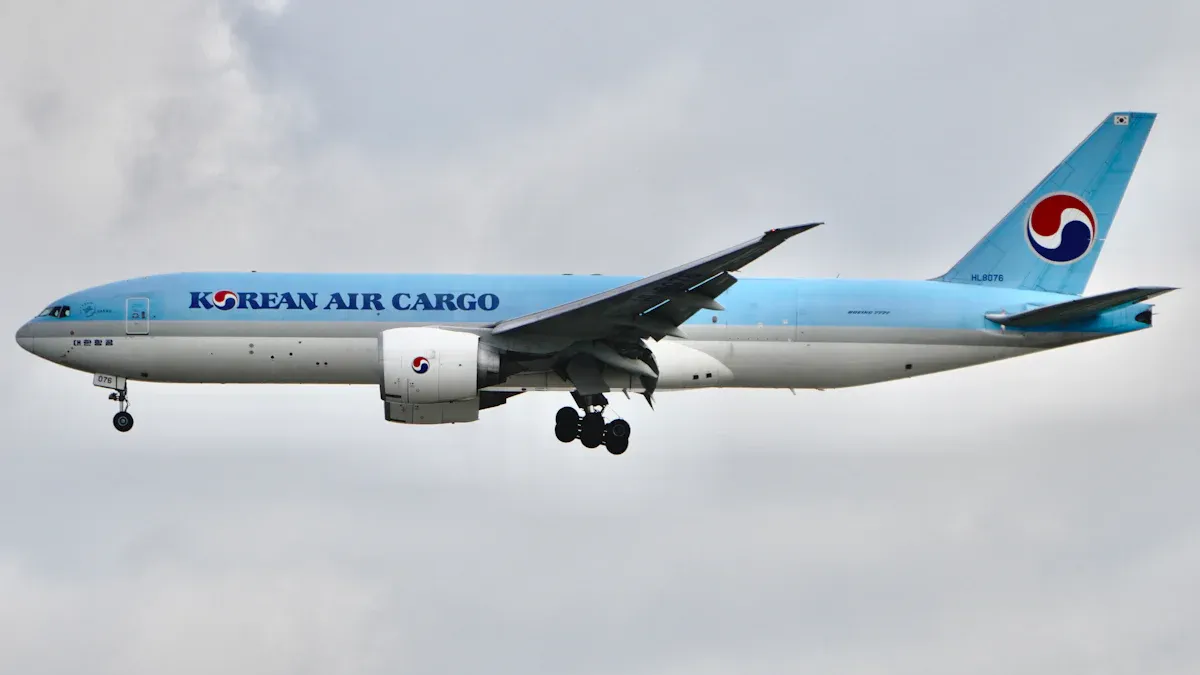
You can optimize air freight routes for maximum efficiency by using smart planning, advanced technology, and strong partnerships. When you focus on air freight operations optimization, you reduce transit time, lower risks, and increase the number of successful deliveries. Many companies now use automated systems and data tools to improve speed and accuracy.
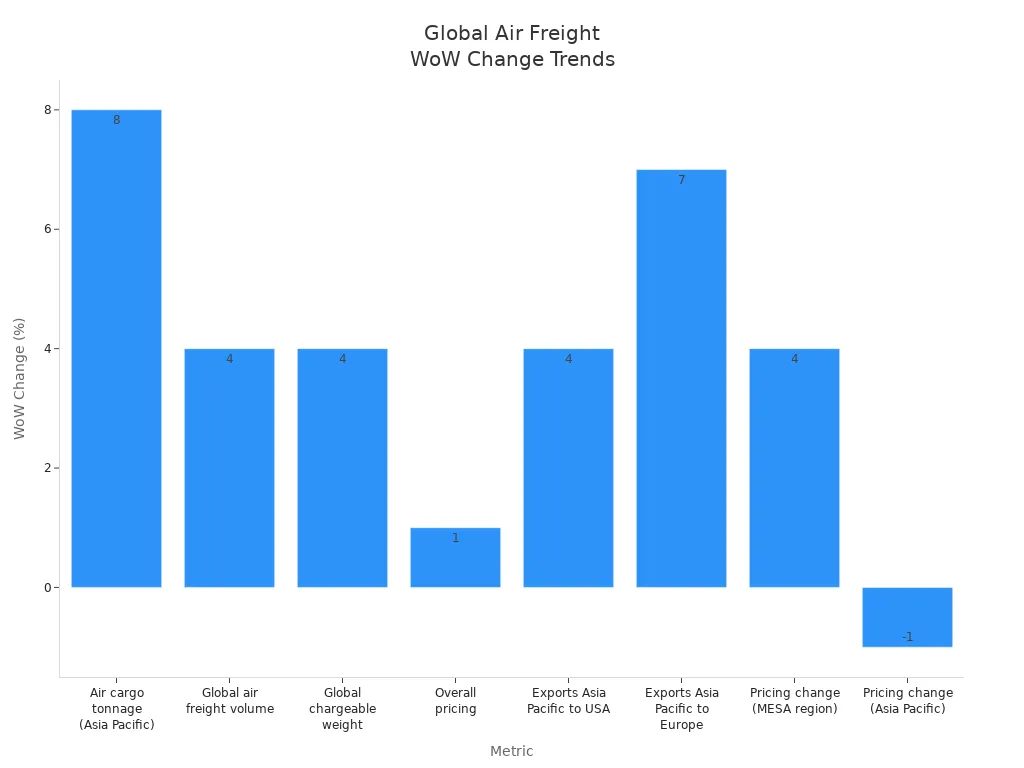
Here is a snapshot of recent trends in global air freight:
Metric | Value/Change |
|---|---|
Air cargo tonnage (Asia Pacific) | +8% (WoW) |
Global air freight volume | +4% (WoW) |
Global chargeable weight | +4% (Week 34) |
Overall pricing | +1% (WoW) |
Year-on-year pricing change | -2% overall |
Studies show that you can gain these benefits when you optimize routes:
Less fuel use and fewer emissions
Key Takeaways
Optimize air freight routes to save time and reduce costs. This leads to faster deliveries and happier customers.
Use advanced technology like automated systems and real-time tracking. These tools minimize errors and improve efficiency.
Partner with expert freight forwarders. They provide valuable knowledge and help navigate complex shipping processes.
Regularly assess your operations and adjust as needed. Continuous improvement keeps your air freight efficient and competitive.
Balance cost, time, and risk when planning routes. Smart decisions lead to better service and lower shipping expenses.
Why Optimize Air Freight Routes
Cost, Time, and Risk Factors
You face many challenges when you plan air freight routes. Cost, time, and risk all play a big role in your decisions. Direct routes move goods faster, but they cost more. Multi-leg journeys save money, but they take longer. Fuel prices change often, and fuel surcharges can make up a large part of your shipping costs. Seasonal demand can push prices higher and slow down deliveries. Special handling for certain goods adds extra costs. Customs duties and security rules also increase expenses.
Here is a table that shows the main factors you should consider:
Factor | Description |
|---|---|
Distance and Route Considerations | Direct routes are faster but cost more; multi-leg journeys save money but take longer. |
Market-Driven Pricing Factors | Prices rise during busy seasons. |
Fuel Price Volatility | Fuel surcharges can be 20-30% of total costs. |
Operational Considerations | Special handling for goods adds costs. |
Regulatory Impact | Customs and security rules increase shipping costs. |
You also need to think about risks. Handling special goods can lead to damage. Security rules can cause delays if you do not follow them. Customs holds can stop your shipment and hurt your delivery times.
Tip: Choose routes that balance speed and cost. Watch for seasonal changes and fuel price swings.
Impact on Delivery Performance
Optimizing your air freight routes helps you deliver goods on time and keep customers happy. You can measure your success with key performance indicators (KPIs). These include on-time delivery rates, average delivery time, and delivery accuracy. Perfect order management means you deliver orders without problems. A lower return rate shows that customers get what they expect.
Here is a table with important KPIs:
KPI | Description |
|---|---|
On-time delivery | Percentage of deliveries made on time |
Average delivery time | Average time taken for deliveries |
Delivery accuracy | Correctness of delivered orders |
Perfect order management | Orders delivered without issues |
Return rate | Percentage of products returned by customers |
When you optimize routes, you save money, reduce damage, and improve service. You also gain better control over your supply chain. Fast, reliable deliveries build trust and help your business grow.
Note: Tracking these KPIs helps you spot problems early and improve your operations.
Air Freight Operations Optimization
Automated Systems and Technology
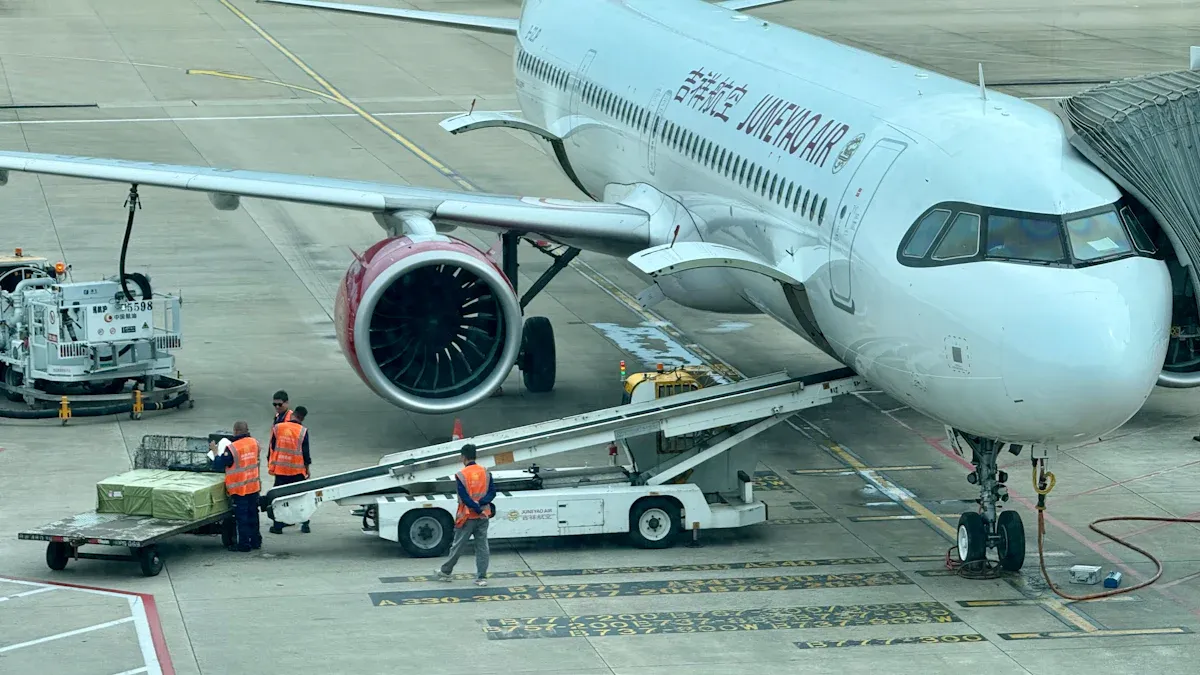
You can achieve air freight operations optimization by using advanced automated systems. These tools help you measure and weigh cargo with high accuracy. Automated cargo handling systems use robotic conveyors to load and unload shipments quickly. This reduces manual labor and cuts down on errors.
Many companies now use real-time visibility tools. These systems let you track cargo throughout the supply chain. Predictive analytics help you forecast demand and plan better. Autonomous vehicles and drones support inventory checks and move goods inside warehouses. Digital documentation, such as electronic air waybills, speeds up customs processing and reduces paperwork mistakes.
Here is a table showing some of the most effective technologies in air freight operations optimization:
Technology Type | Application Description |
|---|---|
Real-time visibility | Tracks and monitors cargo throughout the supply chain. |
Predictive analytics | Uses data to forecast demand and optimize operations. |
Autonomous systems | Includes drones and automated vehicles for cargo transport and inventory management. |
Automated Cargo Handling Systems | Uses robotics to speed up loading and unloading. |
Digital Documentation & Smart Contracts | Replaces manual paperwork with secure, fast digital transactions. |
RFID and IoT Integration | Provides real-time data on cargo conditions, important for sensitive shipments. |
Cargo Digital Twins | Creates digital copies of cargo journeys for proactive issue management. |
AI-Driven Pricing Engines | Adjusts freight rates based on market conditions and demand. |
Automated systems also help you avoid costly mistakes. They minimize manual steps, which means fewer errors and faster processing. You can scale your operations without hiring more staff. Real-time tracking gives you instant feedback, so you can fix problems before they grow. Customers get their cargo faster and with fewer disputes.
Tip: Use RFID sensors and digital documentation to improve tracking and speed up customs clearance.
Cargo Type and Cost Considerations
The type of cargo you ship plays a big role in air freight operations optimization. Weight and size affect how you handle and store goods. Larger or heavier items need special equipment and more space, which increases costs.
Some goods need extra care. Fragile, perishable, or hazardous items require special handling and extra paperwork. These needs add to your shipping costs. You must also follow strict rules for these types of cargo.
You can improve efficiency by using cargo-specific strategies. For example, airports like Rickenbacker International focus on cargo, not passengers. This approach lets you unload freight two to four days faster than at larger airports. Other airports, such as Rockford International and East Midlands, also offer faster service for cargo.
Managing Unit Load Devices (ULDs) is another key part of air freight operations optimization. About 5% of ULDs go missing each year, which costs the industry millions. New tracking tools, like Bluetooth-enabled devices, help you keep track of ULDs and prevent losses.
Note: Choose airports and partners that focus on cargo to speed up your shipments and lower your costs.
Route Planning and Risk Management
You need to balance cost, time, and risk when planning air freight routes. Optimized routing helps you avoid busy airspace, reduce fuel use, and cut costs. Intelligent route planning uses algorithms to find the best path for your cargo.
Here are some best practices for route planning:
Strategy | Benefits |
|---|---|
Optimized Routing | Reduces traffic, fuel use, and costs. |
Intelligent Route Planning | Improves efficiency and lowers costs through data analysis. |
Real-Time Adaptability | Lets you change routes quickly to avoid delays. |
Selecting the Right Mode | Matches shipment volume and type to the best transport option. |
Risk management tools help you handle unexpected problems. Route optimization software finds the safest and most efficient paths. Real-time monitoring lets you track shipments and respond to issues fast. Clear communication channels keep your team updated and ready to act.
You can also use digital tools to change routes in real time. These systems help you avoid closed airports, bad weather, or other obstacles. Monitoring driving practices, such as speeding, reduces the risk of accidents during ground transport.
Tip: Use route optimization software and real-time monitoring to keep your shipments safe and on schedule.
Partnering with Freight Forwarders
Working with the right freight forwarder can transform your air cargo operations. You gain access to expert knowledge, advanced technology, and a network that helps you move goods faster and more efficiently. When you collaborate with a skilled partner, you streamline communication, improve documentation accuracy, and boost shipment visibility. You also make better decisions using real-time data.
Selecting the Right Partner
Choosing the best freight forwarder requires careful evaluation. You want a partner who understands your needs and supports your goals. Use the following criteria to guide your selection:
Criteria | Description |
|---|---|
Expertise | Check the forwarder's industry knowledge and relationships. |
Reputation | Look for a strong track record and responsible service. |
Service Offerings | Make sure the services match your shipping requirements. |
Communication | Choose a forwarder who provides clear updates and real-time visibility. |
Technology Adoption | Select a partner who uses modern technology for better logistics management. |
Geographic Coverage | Pick a forwarder with a strong presence in both origin and destination markets. |
Tip: Ask for references and review case studies to see how the forwarder handles challenges similar to yours.
Leveraging Industry Expertise
Expert freight forwarders bring valuable skills to your supply chain. They help you optimize shipping routes using their global knowledge. They handle customs clearance, saving you time and effort. Many offer extra services like cargo insurance and warehousing.
You also benefit from advanced technology. Many forwarders use AI to plan routes and reduce fuel use. The International Air Transport Association (IATA) found that AI-driven route optimization can cut fuel consumption by up to 10% and lower flight delays by 15%. This means you save money and deliver goods on time.
Here are some key benefits you gain by working with expert partners:
Benefit | Description |
|---|---|
Efficiency | Better inbound management reduces delays and keeps production on schedule. |
Cost Savings | Improved freight capacity use lowers shipping costs. |
Operational Performance | Dashboards and real-time data improve coordination and decision-making. |
Note: A strong partnership with a freight forwarder gives you a competitive edge and helps you adapt to changes in the market.
Route Optimization Strategies

Carrier Selection and Consolidation
You can improve your shipping process by choosing the right carrier and using smart consolidation methods. When you combine multiple shipments, you reduce trips and save money. Efficient packaging helps you use space better and lowers costs. Local consolidation programs cut air freight costs. Strong relationships with carriers ensure you have enough capacity when demand rises. You can also segment your products by urgency and margin to pick the best air service. Many companies use consolidation hubs near suppliers to make shipping faster and more reliable.
Combine shipments to maximize space and share freight costs.
Build long-term partnerships with carriers for better rates and reliability.
Streamline shipping to improve timelines and reduce environmental impact.
Tip: Managing consolidated loads gives you clearer oversight and helps you spot delays quickly.
Documentation and Compliance
Proper documentation keeps your shipments moving and avoids costly delays. Each country has its own rules, so you must prepare the right paperwork. Missing or incorrect documents can lead to unexpected costs. Here are some key documents and compliance factors:
Document | Purpose |
|---|---|
Airway Bill (AWB) | Tracks and manages the shipment |
Commercial Invoice | Details the transaction for customs clearance |
Packing List | Lists items for verification and customs |
Material Safety Data Sheet | Ensures safety for certain goods |
Country | Compliance Requirement |
|---|---|
Canada | Unique documentation and customs processes |
Mexico | Different forms and permits needed |
Freight forwarders help with customs clearance and regulatory filings. Their expertise speeds up the process and reduces the risk of fines.
Real-Time Tracking
Real-time tracking gives you updates on your shipment from start to finish. You can use GPS, cellular connectivity, and cloud-based software to monitor location and condition. These tools help you spot delays and adjust routes quickly. Fleet managers use tracking to make sure vehicles work well and avoid downtime.
GPS and 5G cellular provide location data.
WiFi triangulation improves tracking accuracy.
Condition monitoring checks temperature and humidity for sensitive goods.
End-to-end coverage keeps you informed at every step.
Note: Real-time data lets you respond to traffic or accidents and keep deliveries on schedule.
Contingency Planning
You need a plan for unexpected problems. Start by mapping your supply chain to find congestion points. Focus on critical shipments with tight deadlines. Use digital tools to test different scenarios and prepare for disruptions. Create a playbook with pre-approved reroutes and clear steps for your team.
Identify supply chain dependencies and congestion points.
Prioritize critical product lines and shipments.
Use scenario planning to prepare for disruptions.
Develop a best practice framework for quick response.
Tip: Strong contingency planning keeps your air freight operations optimization on track, even when challenges arise.
Efficiency Best Practices
Communication and Collaboration
You improve air freight efficiency when you build strong relationships with carriers and keep communication clear. Reliable airlines help you secure space and negotiate better rates. You should talk openly with your team and your clients. This helps you solve problems before they grow. When you share updates and listen to feedback, you create trust and keep shipments moving smoothly.
Tip: Put your customers first by addressing their concerns quickly and keeping them informed.
Planning and Scheduling
Careful planning and smart scheduling help you avoid delays and save money. You can combine shipments to use cargo space better and reduce costs. Align your schedules with your clients’ needs. Automated solutions and advanced tracking systems make it easier to plan and adjust your shipments. You should always check your schedules and update them as needed.
Combine shipments for better cargo space.
Use automated tools to track and plan deliveries.
Adjust schedules to match client needs.
Packaging Optimization
You can lower costs and protect your goods by optimizing packaging. Tailored solutions for sensitive cargo, such as temperature-controlled packaging, keep products safe. Efficient packaging uses less space and reduces damage. You should work with your partners to find the best packaging for each type of cargo. Value-added services like inventory management also help you keep track of your shipments.
Best Practice | Description |
|---|---|
Offer Value-Added Solutions | Provide special packaging and inventory services. |
Continuous Improvement
You should never stop learning and improving your air freight operations. Invest in staff training to keep your team skilled and ready. Gather feedback from customers to find areas for improvement. Regularly assess risks and update your security protocols. Accurate documentation, such as electronic air waybills, helps you avoid customs delays. Focus on learning from each shipment to make the next one better.
Note: Continuous improvement keeps your air freight operations efficient and ready for future challenges.
Implementation Steps
Assess Current Operations
Start by looking at your current air freight process. Review your routes, delivery times, and costs. Check how you handle cargo and measure your performance. Use key performance indicators like on-time delivery and accuracy. This helps you see where you stand and spot problems that slow you down.
Identify Improvement Areas
Find the parts of your system that need work. Look for delays, high costs, or frequent mistakes. Explore different routing options to discover new opportunities. Assess risks for each route. You can use a simple table to compare routes:
Route Option | Cost | Time | Risk Level |
|---|---|---|---|
Direct | High | Fast | Low |
Multi-leg | Low | Slow | Medium |
Integrate Technology
Use automation tools to make your work easier. Freight management software with AI and machine learning helps you plan better and focus on important tasks. Choose cloud-based solutions that fit with your current workflow. Limit customizations to only what you need. This keeps your system simple and avoids extra costs.
Tip: Automation improves air freight operations optimization and reduces manual errors.
Train Teams
Teach your staff how to use new systems and tools. Training helps everyone understand the changes and work faster. Hold regular sessions to update your team on best practices. Encourage questions and feedback to make sure everyone feels confident.
Monitor and Adjust
Track your results after making changes. Use real-time data to watch shipments and spot issues quickly. Adjust your process when you see problems. Promote sustainability by offering green delivery options and incentives. Keep reviewing your system to stay efficient and competitive.
Note: Continuous monitoring helps you respond to changes and keep improving your air freight operations optimization.
You can achieve maximum efficiency in air freight by using smart planning, advanced technology, and strong partnerships. Automated systems and real-time tracking help you reduce errors and speed up deliveries. Expert freight forwarders guide you through complex processes. Review your operations often and adapt to new challenges.
Airlines quickly adapted during crises by converting passenger flights to cargo.
Collaboration with governments and organizations improved resource management.
Support from governments helped businesses stay strong for the future.
Keep improving your process to stay ahead and deliver better results every time.
FAQ
What is the main benefit of optimizing air freight routes?
You save time and money. Optimized routes help you deliver goods faster and reduce shipping costs. You also lower the risk of delays and damage.
How does technology improve air freight efficiency?
Technology gives you real-time tracking and better planning tools. Automated systems reduce errors and speed up cargo handling. You can make smarter decisions with accurate data.
Why should you work with a freight forwarder?
A freight forwarder helps you manage complex shipments. You get expert advice, better rates, and access to global networks. They handle paperwork and customs, so you avoid delays.
What should you track to measure air freight performance?
On-time delivery rates
Average delivery time
Delivery accuracy
Return rates
Tracking these key points helps you spot problems and improve your service.
See Also
Enhancing Global Operations Through Innovative Logistics Strategies
Boosting Global Efficiency With Point-to-Point Logistics Systems
Simplifying Supply Chain Optimization With U.S. Logistics Solutions
Streamlined U.S. Air Freight Exports With Premier Logistics
Reliable Air Freight Export Services Across The United States
