Emerging Innovations Shaping Cold Chain Compliance in 2025

You see the landscape of cold chain compliance and innovation changing rapidly. The global cold chain market expects to reach $776.01 billion by 2029, showing just how crucial new solutions have become. Today, you encounter AI-powered route optimization, blockchain-based traceability, IoT-enabled sensors, solar-powered refrigeration, and portable cryogenic freezers. These advances help you boost compliance, increase efficiency, and lower your carbon footprint. With stricter regulations and higher consumer expectations, you must adapt now or risk falling behind.
Key Takeaways
Cold chain compliance is crucial for sectors like pharmaceuticals and food. Failing to maintain proper temperature can lead to spoilage and financial losses.
Innovations like IoT sensors and blockchain technology enhance tracking and monitoring. These tools help ensure products stay safe and meet regulations.
Using AI for route optimization can save money and reduce waste. It helps keep temperature-sensitive products safe during transport.
Sustainable practices, such as solar refrigeration and reusable packaging, lower costs and improve your brand's reputation.
Regularly review compliance standards and invest in technology. Staying informed helps you avoid penalties and keep your products safe.
The Importance of Cold Chain Compliance
Key Sectors and Risks
You play a vital role in keeping products safe and effective as they move through the supply chain. Cold chain compliance matters most in several key sectors:
Pharmaceuticals
Food
Chemicals
Each of these sectors faces serious risks if you do not maintain proper temperature control. When you fail to meet standards, you may see:
Product spoilage
Financial losses
Regulatory penalties
Potential harm to public health
Note: Reliable temperature control is essential for the safe delivery of medical treatments, such as vaccines and insulin. About one-third of food produced for human consumption gets lost to spoilage in the supply chain. This highlights why you must focus on cold chain compliance and innovation.
You also need to follow strict regulations, including the FDA's Current Good Manufacturing Practices (CGMP) and the EU's Good Distribution Practices (GDP). If you do not comply, you risk:
Product recalls
Fines
Reputational damage
Compliance Challenges
You face many challenges when trying to maintain cold chain compliance. Industry reports show that the most common issues include:
Equipment failure: Refrigeration units can break down, which puts your cargo at risk.
Temperature fluctuations: Inconsistent temperatures can spoil goods, so you must control the climate at every step.
Poor documentation: If you do not keep good records, you increase the risk of illness and fines.
Compliance breaches: Stricter rules mean you must always stay alert to avoid penalties and protect your reputation.
You need to address these challenges to keep your products safe and your business strong. By focusing on cold chain compliance and innovation, you can reduce risks and meet the demands of both regulators and consumers.
Cold Chain Compliance and Innovation: Key Drivers
Innovation helps you meet new rules and keep your products safe. In 2025, you see more changes in cold chain compliance and innovation because regulators and customers expect better solutions. You must use smarter technology and eco-friendly practices to stay ahead.
Regulatory Demands
You face strict rules that push you to improve your cold chain systems. Regulators want you to track products, share data, and protect information. You need to use new technology to meet these demands. The table below shows some of the main innovations that help you follow the latest regulations:
Technology Type | Description |
|---|---|
Electronic data exchange | Lets you share information quickly and safely. |
Unique product serialization | Tracks each product so you know where it goes. |
Remote tracking and monitoring | Gives you live updates on your products. |
AI and ML-equipped devices | Helps you predict problems before they happen. |
Robotics | Manages inventory and keeps records accurate. |
Improved packaging | Makes home delivery safer and cuts down on waste. |
Cybersecurity protocols | Protects your data from threats. |
Temperature monitoring | Keeps your products at the right temperature. |
Tip: You should check for updates to regulations often. New rules can change how you manage your cold chain.
Market and Consumer Expectations
You see customers asking for safer and greener products. The cold chain logistics market keeps growing because people want better quality and less waste. Companies now use biodegradable packaging and energy-saving refrigeration. You must follow rules like the Food Safety Modernization Act to keep food and medicine safe. When you use cold chain compliance and innovation, you meet these expectations and build trust with your customers.
You need to pay attention to both regulators and customers. This helps you stay competitive and protect your business.
Smart Packaging Solutions
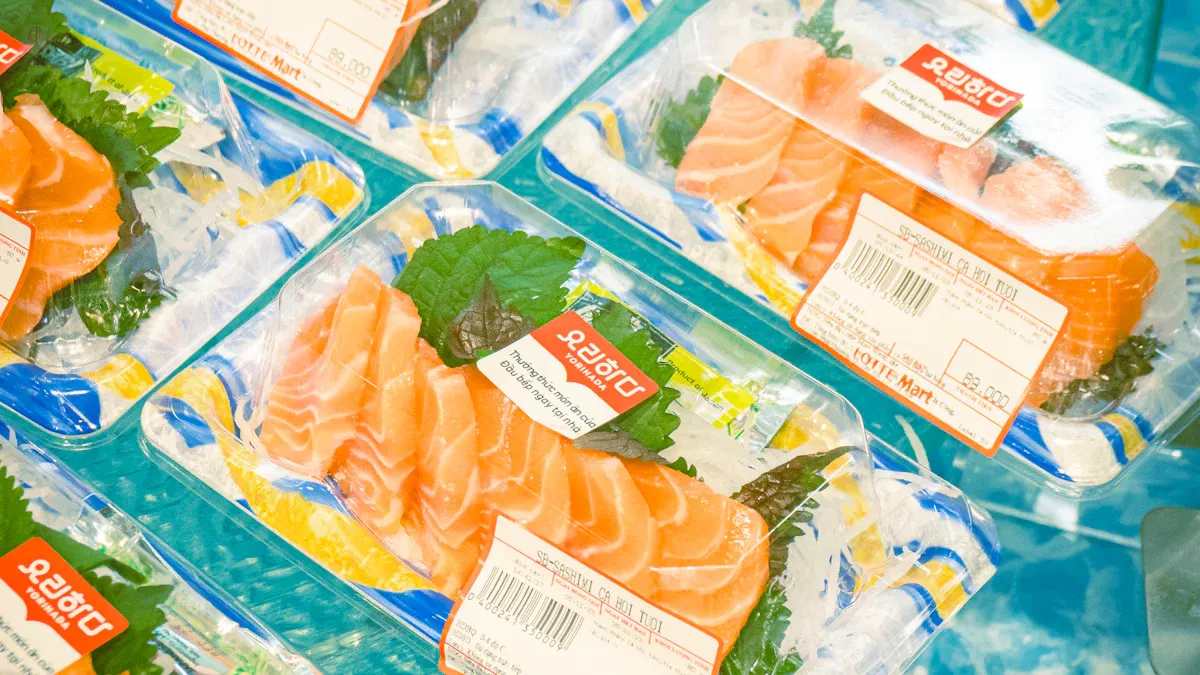
Connected and Intelligent Packaging
You see smart packaging changing how you manage cold chain products. These solutions use technology to give you real-time information about your shipments. You can track temperature, humidity, and even the location of each item. This helps you make quick decisions and avoid problems before they grow.
IoT sensors and smart labels now appear on most cold chain shipments. These devices make up 76% of the cold chain tracking market revenue. They send live updates about your products’ conditions.
Phase Change Material (PCM) pods let you set custom temperature profiles for different products. The market for these pods is growing fast, valued at $3.6 billion in 2024.
Vacuum-insulated panels (VIPs) help you cut shipping costs by up to 70%. They also keep products at the right temperature for longer periods.
Reusable containers and pallet shippers are becoming more popular. Their market is expected to nearly double by 2034. You save money and help the environment by using them.
Many companies now use recyclable and compostable packaging kits. These kits help you meet environmental rules and reduce waste.
Artificial intelligence and digital twins help you design better packaging. They also predict when temperature problems might happen.
Blockchain and traceability platforms give you a secure record of each product’s journey. You can prove that your products stayed safe and met all rules.
You also benefit from new barcode systems. The GS1 Sunrise 2027 initiative uses 2D barcodes to improve traceability at the unit level. Retailers testing these systems show better risk management and greater transparency. You can quickly find recalled products and track their paths through the supply chain. Automated systems replace manual tracking, so you get more accurate data and fewer mistakes.
Intelligent packaging uses biosensors and IoT devices to monitor temperature and quality in real time. This helps you keep products safe and reduces waste. You know right away if something goes wrong, so you can act fast.
Tip: Smart packaging lets you see the full journey of your products. This builds trust with your customers and helps you meet strict safety standards.
Enhancing Product Integrity
You need to keep your products safe and effective from start to finish. Smart packaging gives you the tools to do this. IoT-enabled sensors and RFID tags watch over your shipments every step of the way. They make sure temperature-sensitive items stay within safe limits.
Automated alerts warn you if temperatures go outside the safe range. You can fix problems right away, which protects your products.
Time-Temperature Indicators (TTIs) show if a product has been exposed to unsafe conditions. You can check these indicators quickly to see if your goods are still good to use.
Blockchain technology keeps a secure, tamper-proof record of every shipment. This helps you follow all rules and prove your products are safe.
Continuous monitoring of temperature and humidity stops spoilage and keeps your products safe. Automated data logging makes it easier for you to follow strict rules like GDP and FDA guidelines. You get real-time data, which helps everyone in the supply chain work together.
Smart packaging creates a digital log of temperature, humidity, and handling conditions. RFID and IoT sensors let you respond quickly to any issues. This level of transparency helps you meet regulations and gives your customers extra peace of mind.
You see that cold chain compliance and innovation depend on these smart solutions. They help you protect product integrity, meet regulations, and build trust with your customers.
Real-Time Monitoring Technologies
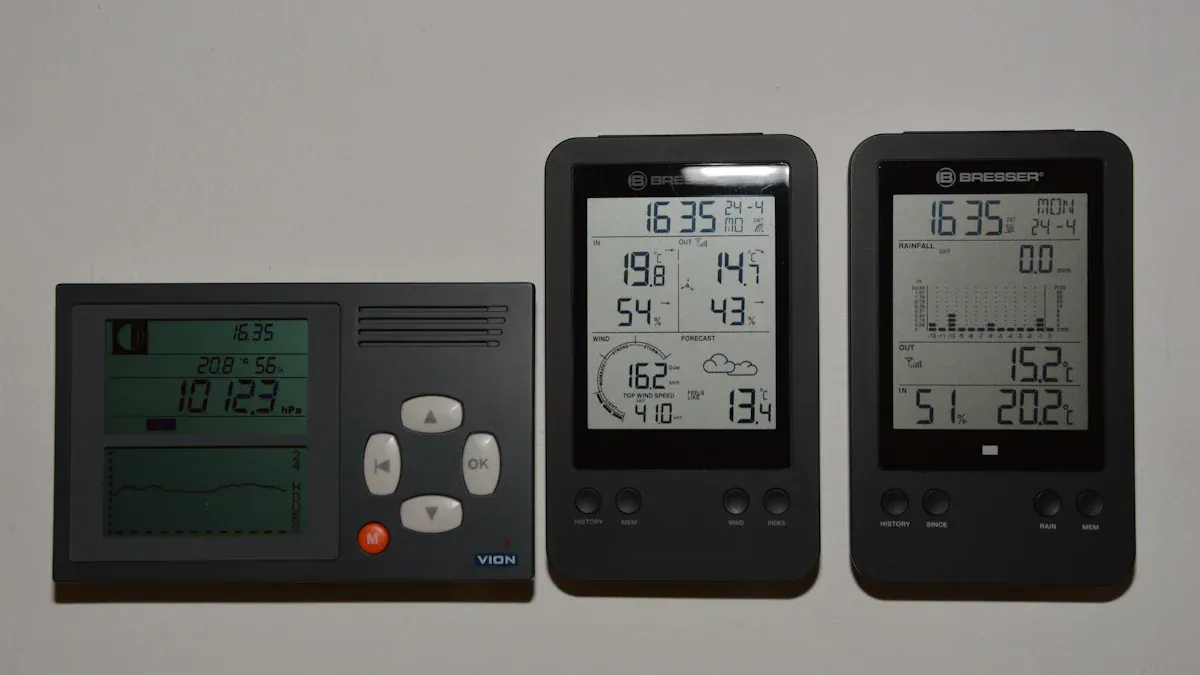
IoT and RFID Integration
You see IoT and RFID technologies changing how you manage cold chain shipments. These tools help you track products in real time. You get instant updates about temperature, humidity, and location. This makes your supply chain more transparent and efficient.
IoT sensors send live data from trucks, warehouses, and containers. You know exactly where your products are and how they are doing.
RFID tags let you scan and identify items quickly. You can check the status of each shipment without opening containers.
The global cold chain sector is growing fast. Experts expect revenue to reach $277.69 billion by 2023, with a 7.24% annual growth rate. This shows that more companies use smart monitoring to improve quality and safety.
You benefit from these technologies in many ways. You reduce waste, save money, and keep your products fresh. Company A, a large distributor of organic produce, cut waste by 30% after using smart refrigeration with real-time monitoring. Company B, which handles dairy products, saved money and improved shelf life by using data analytics for better temperature control.
You keep customers happy by delivering high-quality products.
You increase profits by reducing waste and avoiding fines.
You meet strict rules and build trust with your partners.
Tip: Use IoT and RFID to get instant alerts if something goes wrong. You can fix problems before they affect your products.
Data-Driven Compliance
You need strong data to meet cold chain rules. Data-driven compliance helps you follow regulations and improve your operations. You use data loggers to record temperature and humidity automatically. These records are tamper-proof and ready for audits.
Evidence Description | Impact on Cold Chain Operations |
|---|---|
Data loggers maintain automated, tamper-proof records for audits and quality control | Ensures compliance with regulatory requirements from bodies like the FDA and WHO, enhancing operational integrity. |
Analyzing trends from data loggers identifies weak links in the cold chain | Helps optimize routes and improve storage conditions, leading to enhanced efficiency. |
Predictive analytics and alert mechanisms mitigate risks before they escalate | Prevents costly problems and ensures high-quality products reach consumers, improving overall compliance. |
Cost savings from preventing product losses and waste | Long-term financial and reputational gains outweigh initial investments in data logging technology. |
You use predictive analytics to spot risks early. AI-powered systems help you monitor emissions and trends in real time. You make quick decisions to prevent waste and keep products safe. Real-time tracking lets you respond fast if temperatures change or equipment fails.
You find weak spots in your supply chain and fix them.
You save money by stopping product losses before they happen.
You improve compliance and protect your reputation.
You see that cold chain compliance and innovation depend on strong data practices. You use technology to meet rules, improve efficiency, and deliver safe products to your customers.
AI and Predictive Analytics
Route Optimization
You use artificial intelligence to make your cold chain routes smarter and faster. AI systems watch important details like temperature ranges for sensitive products. For example, biologics need to stay between 2–8°C. AI helps you keep these products safe by checking temperatures all the time. You also see AI change delivery routes when weather or traffic gets bad. This means your shipments arrive on time and in good condition.
AI monitors temperature and product quality during transport.
It changes routes based on weather and traffic.
Predictive maintenance stops refrigeration units from wasting energy.
Real-time adjustments lower human mistakes and save energy.
You save money because AI reduces the need for manual checks. You also use less energy and keep your products fresh. AI helps you follow rules and deliver high-quality goods to your customers.
Tip: AI-powered route optimization lets you respond quickly to problems. You avoid delays and keep your products safe.
Risk Management
You rely on predictive analytics to spot risks before they become big problems. AI tools look at data from sensors and find patterns that show when something might go wrong. You get alerts if temperatures change too much or if equipment needs fixing. This helps you act fast and stop spoilage.
AI finds patterns and detects problems in real time.
You get alerts for temperature changes and equipment issues.
Predictive analytics helps you fix problems before they cause losses.
You see up to 78% fewer temperature excursions with these systems.
You improve your operations and keep better records for audits. AI-powered systems help you follow rules and keep your products safe. You see cold chain compliance and innovation working together to protect your business and your customers.
Note: Predictive analytics helps you reduce waste and improve efficiency. You build trust by keeping products safe and meeting regulations.
Automation and Robotics
Autonomous Deliveries
You see automation and robotics changing how you move products in the cold chain. Autonomous delivery systems now operate around the clock. These systems use smart sensors and robotics to keep shipments at the right temperature and humidity. You can trust these machines to deliver goods safely and quickly.
Major companies like Nestlé and Unilever use automation in refrigerated trucks. They rely on smart sensors for better route planning and temperature management. You benefit from a 10–15% reduction in spoilage when you use these systems. Automated handling keeps products fresh and meets strict compliance standards.
Here is a table showing how automation improves cold chain logistics:
Evidence | Description |
|---|---|
Improve efficiency, reduce errors, and ensure compliance with regulations. | |
Continuous operation | Run 24/7, increase throughput, and reduce cycle times for better reliability. |
Temperature control | Maintain consistent temperature and humidity for compliance. |
Tip: Automated systems help you deliver products faster and safer. You can meet customer demands and regulatory requirements with less effort.
Reducing Human Error
You know that mistakes can happen when people handle cold chain products. Automation helps you avoid these errors. Automated storage and retrieval systems reach up to 99.9% picking accuracy. Robotic layer picking makes item selection and stacking more precise.
You use digital solutions to get accurate temperature data. Automated monitoring lets you act quickly if something goes wrong. You spend less time checking temperatures and more time improving your operations.
Automation minimizes manual interventions, which often cause mistakes.
Real-time monitoring systems improve compliance and efficiency.
Automated evaluation of temperature excursions reduces your workload.
In automated cold-storage warehouses, technologies like warehouse management systems and computer vision work together. These systems watch temperatures and keep products safe. You see better food safety and quality because machines do the hard work.
Note: When you use automation, you lower risks and improve compliance. You protect your products and build trust with your customers.
Sustainable Cold Chain Innovations
Solar Refrigeration
You see solar refrigeration changing how you keep products cold. Solar-powered systems use sunlight to run cooling units. This helps you lower energy costs and cut emissions. You can use solar refrigeration in places with limited electricity. Small-scale fisheries benefit the most. They lose less food and waste. Fishers, traders, and processors earn more money because they keep products fresh longer.
Solar refrigeration also helps you fight climate change. You use renewable energy, so you release less CO₂. Studies show that solar cold storage systems reduce operating costs and emissions. You face some challenges, like high upfront costs and power supply issues. You need to plan for these when you invest in solar solutions.
Benefit/Challenge | Description |
|---|---|
CO₂ Emission Reductions | You cut greenhouse gases by using solar energy in cold storage. |
Operating Cost Reduction | You spend less on energy when you use solar refrigeration. |
Implementation Challenges | You may face high initial costs and power supply problems. |
Tip: Solar refrigeration helps you meet sustainability goals and improve compliance with new environmental rules.
Reusable and Circular Packaging
You can make your cold chain more sustainable by using reusable and circular packaging. These systems let you use the same containers many times. You lower greenhouse gas emissions because you do not need to make and throw away packaging as often. Companies report up to 25% better sustainability scores when they switch to reusable packaging.
AeroSafe Global shows that you can reuse shippers almost every time, with return rates of 98–99%. You save money and reduce waste. Since 2020, reusable transport packaging has kept over 650,000 tons of single-use materials out of landfills. You also prevent about 2.8 million metric tons of CO₂ emissions.
You see lower packaging costs, less shipping waste, and fewer landfill fees. You get a strong return on investment. Customers trust you more when you use sustainable packaging. You build a better brand and keep loyal customers who care about the environment.
Note: Reusable packaging helps you meet compliance standards and improve your company’s reputation.
Advanced Cold Storage Solutions
Portable Cryogenic Freezers
You rely on portable cryogenic freezers to move sensitive products safely. These freezers help you transport vaccines, gene therapies, and other biological items that need ultra-low temperatures. You see these units keep products cold even during long trips. They use advanced technology to reach rapid cooling and precise temperature control. This means you meet strict rules and keep products effective.
Portable cryogenic freezers maintain ultra-low temperatures for sensitive pharmaceuticals.
You use them to move vaccines and gene therapies without risking spoilage.
These units offer fast cooling and accurate temperature management.
You meet regulatory standards and protect product quality during transit.
IoT sensors inside these freezers give you real-time updates. You know the exact temperature at every moment. This helps you act quickly if something changes. You avoid spoilage and keep your shipments safe.
Tip: Portable cryogenic freezers help you deliver life-saving medicines to remote areas. You improve access and support global health.
Infrastructure Upgrades
You need strong infrastructure to support advanced cold chain compliance. Upgrading your cold storage facilities helps you meet food safety standards and improve efficiency. You see modern refrigeration systems use less energy and work better. Enhanced insulation and climate controls keep products at the right temperature.
Modern refrigeration systems improve compliance and reduce energy use.
Better insulation and climate controls save money and protect products.
Advanced monitoring systems give you better oversight.
Automation helps you manage inventory and streamline your processes.
Energy-saving technologies, like natural refrigerants and solar arrays, lower your carbon footprint.
You use IoT sensors to watch temperature and humidity all the time. Insulated containers and phase-change materials keep products safe during transit. AI-driven route planning helps you deliver faster and avoid temperature problems.
Upgrade Type | Benefit |
|---|---|
Modern refrigeration | Better compliance, lower energy costs |
Enhanced insulation | Improved product safety |
Advanced monitoring | Real-time oversight |
Automation | Streamlined inventory management |
Energy-saving technologies | Reduced environmental impact |
You review your facilities to find risks and inefficiencies. You invest in upgrades that help you meet sustainability goals. These changes make your business stronger and more competitive in the cold chain industry.
Note: Investing in infrastructure upgrades helps you stay ahead in compliance, efficiency, and sustainability.
Blockchain for Traceability
Secure Tracking
You can use blockchain technology to track temperature-sensitive goods with high accuracy. Blockchain records every movement of your products in real time. You see complete transparency across the food and pharmaceutical supply chains. Bosch Truefood uses AI and blockchain together, giving you a clear view of each shipment’s journey. You know exactly where your products are and how they have been handled.
Sensors and QR code scanners monitor temperature data. If a shipment goes above safe limits, the system rejects it automatically. Blockchain creates records that no one can change. This means you can trust the information and prevent fraud or mislabeling. Only authorized people can see the data, so you keep your supply chain secure.
Here is a table showing how blockchain helps you:
Benefit | Description |
|---|---|
Enhanced Transparency | You get end-to-end visibility, which stops fraud and improves product safety. |
Improved Efficiency | You verify shipments faster and reduce paperwork. |
Better Traceability | You track every step, making sure products are real and handled correctly. |
Enhanced Security | You protect data from tampering, building trust with partners and customers. |
You create complete transparency for every shipment.
You record every movement in real time.
You ensure data stays consistent and available.
You help prevent fraud and mislabeling.
Tip: Blockchain lets you prove your products stayed safe and met all compliance rules.
Streamlined Audits
You can make audits much easier with blockchain. The technology stores all compliance records in one place. You do not need to search through piles of paperwork. Auditors can check the blockchain for instant access to shipment histories and temperature logs.
A blockchain-enabled compliance system uses real-time IoT data, permissioned storage, and smart contracts. You see three layers working together: Data Acquisition, Data Storage, and Application. These layers monitor shipments, store records, and automate compliance checks. You get continuous monitoring and records that cannot be changed.
You save time during audits.
You provide proof of compliance quickly.
You reduce errors and manual work.
You keep records safe and easy to access.
Note: Blockchain helps you meet strict regulations and build trust with regulators and customers.
Regulatory Trends and Future Standards
Evolving Compliance Requirements
You see new rules changing how you manage cold chain operations. Regulators now ask for better tracking and safer handling of products. You must follow updates like the FSMA Food Traceability Final Rule, which gives you more time to meet new standards. The deadline now extends to July 20, 2028. You also notice DSCSA enforcement exemptions for connected trading partners. These exemptions last until different dates in 2025 and 2026. Global regulators tighten Good Distribution Practices, so you need to check your systems often.
You use advanced technologies to keep up with these changes. IoT sensors help you watch temperature and humidity in real time. Automation lets you reduce mistakes and follow strict rules. You also see more focus on sustainable practices. You need to use less energy and cut waste to meet environmental regulations. Good cold chain management means you control temperature and keep strong records.
DSCSA exemptions for trading partners until 2025 and 2026
Stricter Good Distribution Practices worldwide
Automation to lower human error
Sustainable practices for environmental rules
Tip: You should review compliance dates and standards often. Staying informed helps you avoid penalties and keep your products safe.
Aligning Innovation with Regulation
You must match your new technologies with changing rules. Regulators now expect you to use smart tools like AI analytics and blockchain. These tools help you track shipments and spot problems fast. Real-time monitoring upgrades let you act right away if something goes wrong. AI algorithms help you plan routes and lower risks.
You see that cold chain compliance and innovation work together. You need to use the latest solutions to meet new standards. When you align your technology with regulations, you protect your business and build trust with customers.
Use IoT sensors for instant updates
Apply AI for route planning and risk control
Adopt blockchain for secure records
Choose automation to improve accuracy
Follow sustainable methods to meet green standards
Note: You stay ahead by using smart technology and following new rules. This keeps your products safe and your business strong.
You see cold chain compliance and innovation changing how you protect products and meet regulations. These new solutions help you improve safety, save energy, and support sustainability. You can take action by following these steps:
Standardize procedures for global shipments.
Use IoT and blockchain for better traceability.
Switch to natural refrigerants.
Audit your cold chain for weak spots.
Connect your systems for full visibility.
Work with a skilled 3PL partner.
Invest in renewable energy.
Prepare for new traceability rules.
You stay ahead when you keep learning and adapting. The future will bring more changes, so you need to keep improving your cold chain.
FAQ
What is cold chain compliance?
You must keep products at the right temperature from start to finish. Cold chain compliance means you follow rules to protect food, medicine, and chemicals. You use technology to track and control conditions.
How does IoT help you in cold chain management?
IoT sensors give you real-time updates about temperature and humidity. You can spot problems fast and fix them before products spoil. This helps you meet safety standards and avoid waste.
Why should you use blockchain for traceability?
Blockchain lets you record every step in the supply chain. You get secure, tamper-proof data. You can prove your products stayed safe and met all rules. Audits become easier and faster.
What are the benefits of smart packaging?
Smart packaging uses sensors and labels to monitor products. You get alerts if something goes wrong. You can keep food and medicine safe, reduce waste, and build trust with customers.
See Also
Reliable Cold Chain Storage Solutions on the East Coast
Safeguard Your Goods With Temperature-Controlled Freight Services
South Florida's Premier Temperature-Controlled Storage Solutions
Enhancing Global Operations With Innovative Logistics Strategies
Specialized Refrigerated Transport for Your Perishable Products
