What Are Cold Chain Logistics Solutions and How Do They Work
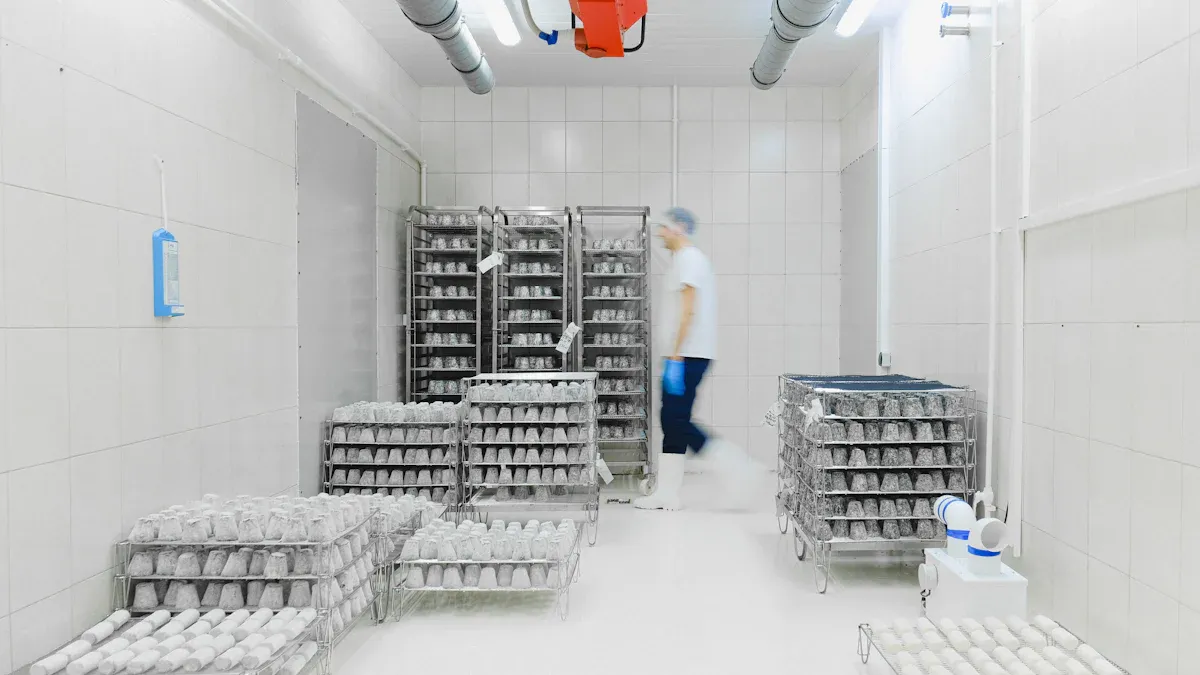
Cold chain logistics solutions help you keep sensitive goods at the right temperature from start to finish. You rely on these systems to protect food, medicine, and other items that can spoil or lose effectiveness if temperatures change. When you use cold chain logistics solutions, you make sure products stay safe and high in quality.
Recent studies show that keeping correct temperatures during transport and storage is essential.
Study Title
Key Findings
Temperature control and data exchange in food supply chains
Keeping an unbroken cold chain protects the safety and quality of perishables.
Machine learning-based optimal temperature management model for safety and quality control of perishable food supply chain
Using the best storage temperatures helps prevent food quality loss.
Key Takeaways
Cold chain logistics solutions keep sensitive goods like food and medicine at the right temperature, ensuring safety and quality.
Three main components—temperature-controlled storage, refrigerated transport, and data monitoring—work together to protect products from spoilage.
Real-time monitoring systems provide alerts for temperature changes, allowing quick responses to potential issues.
Following best practices, such as proper packaging and staff training, helps maintain the integrity of cold chain logistics.
Investing in robust cold chain systems not only protects products but also supports customer health and meets regulatory requirements.
Core Cold Chain Logistics Solutions
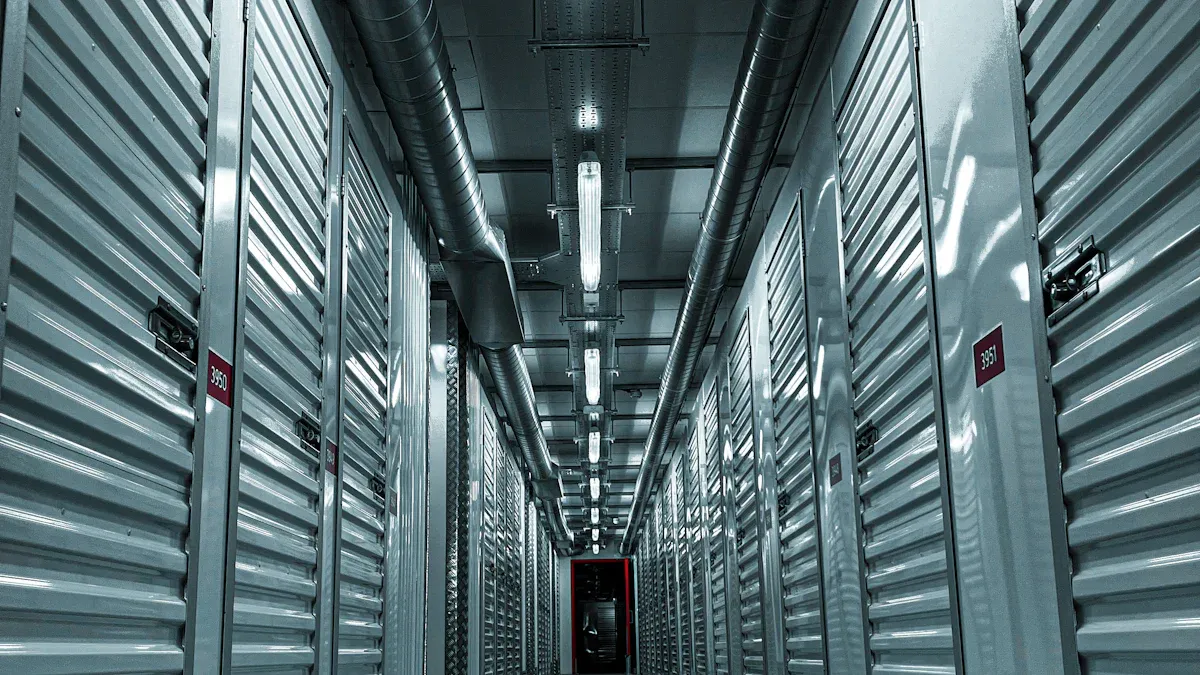
Cold chain logistics solutions rely on three main components. You use temperature-controlled storage, refrigerated transport, and data monitoring and tracking to keep products safe. Each part plays a key role in protecting sensitive goods from temperature changes.
Temperature-Controlled Storage
You store sensitive products in special facilities that keep the temperature steady. These storage units use advanced cooling systems to prevent heat from damaging items like vaccines, dairy, and frozen foods. You can trust these facilities to keep products fresh until you need to move them. Sensors inside the storage units check the temperature all the time. If the temperature goes up or down, you get alerts so you can fix the problem quickly.
Tip: Always check the temperature logs before moving products out of storage. This helps you catch any issues early.
Refrigerated Transport
You move goods from one place to another using vehicles with built-in refrigeration. These trucks, vans, and containers keep the inside cold, even when the weather outside is hot. This step is important because perishable goods spoil fast if they get too warm.
Refrigerated transport maintains a controlled low-temperature environment, which is essential for slowing down the deterioration of perishable goods.
Perishable goods have short shelf lives and are highly susceptible to spoilage, emphasizing the need for refrigeration during transit.
The optimization model discussed in the study aims to minimize quality loss, which directly correlates with reducing spoilage rates.
You can see how refrigerated transport helps you deliver fresh food, safe medicine, and other sensitive items without losing quality.
Data Monitoring and Tracking
You use real-time monitoring systems to track temperature and humidity during storage and transport. These systems send alerts if something goes wrong. You can check the data from your phone or computer. This helps you act fast to fix problems and keep products safe.
Monitoring Feature | Benefit |
|---|---|
Real-time alerts | You respond quickly to temperature changes |
Data logs | You prove products stayed safe during transit |
Remote access | You check conditions from anywhere |
How These Components Work Together
Cold chain logistics solutions involve maintaining a temperature-controlled environment throughout the supply chain, which includes storage, transportation, and distribution. Temperature-controlled storage facilities and refrigerated transport are crucial, as they utilize advanced technology to ensure that products like pharmaceuticals and frozen foods remain within specific temperature ranges. Additionally, real-time monitoring systems are vital for tracking temperature and humidity levels, providing alerts for any deviations that could jeopardize product integrity.
When you use all three components together, you create a strong system. You keep products safe from the moment they arrive at your facility until they reach their final destination. You protect product quality, reduce spoilage, and make sure customers get safe goods every time.
Industries and Products Requiring Cold Chain
Pharmaceuticals and Vaccines
You depend on cold chain logistics solutions to keep medicines and vaccines safe. Many drugs lose their power if they get too warm or too cold. Vaccines, in particular, need strict temperature control from the factory to the clinic. If you do not follow the right temperature, vaccines may not work, and patients could be at risk.
Storage Type | Temperature Range (°F) |
|---|---|
General Medications | 68° to 77° |
Vaccines | Specific requirements vary, must be followed continuously |
Recommended Equipment | Pharmaceutical-grade refrigeration units with microprocessor-based controls and fan-forced air circulation |
Note: Every vaccine storage unit should have a Temperature Monitoring Device (TMD). These devices help you track temperature history and protect vaccine quality. The CDC recommends using Digital Data Loggers for the most accurate results.
Regulatory agencies like the U.S. FDA and the European Medicines Agency require you to use validated storage and transport systems. If you do not keep the right temperature, you risk losing valuable products and may face strict penalties.
Food and Beverage
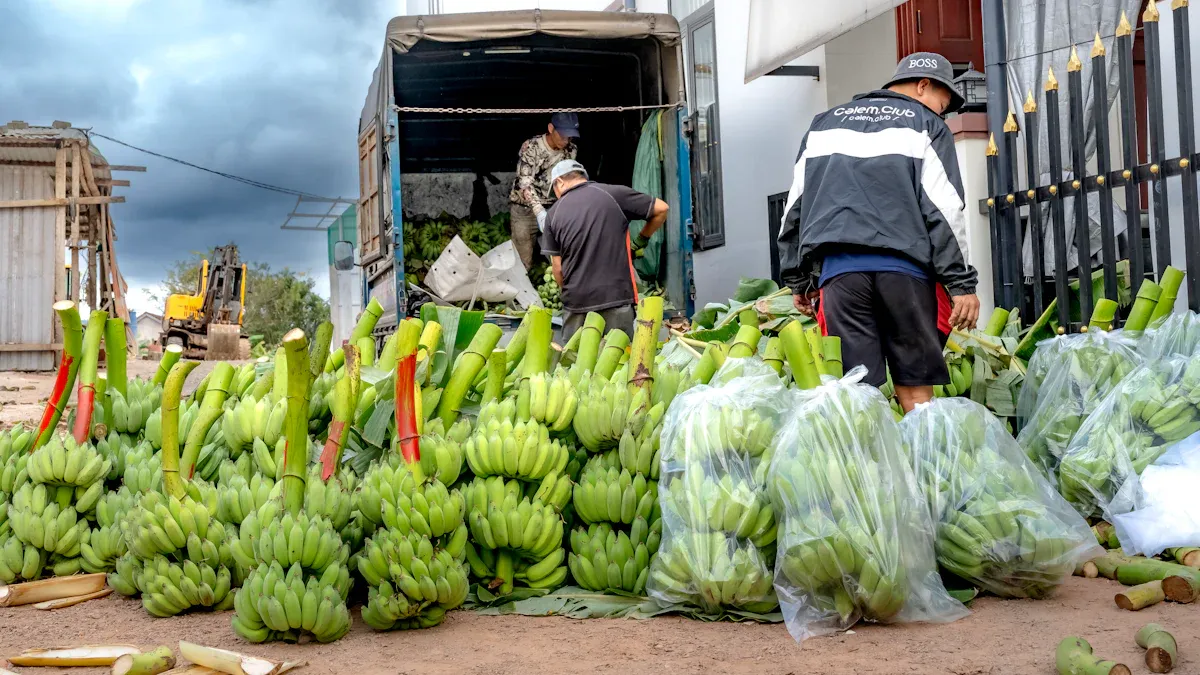
You use cold chain logistics solutions to keep food fresh and safe. Dairy, meat, seafood, and fresh produce all need temperature control to prevent spoilage. If you do not use proper cooling, food can spoil before it reaches the store.
Cold chain systems help you reduce food waste by keeping products at the right temperature.
About 14% of food is lost between harvest and retail because of poor temperature management.
Weak cold chain infrastructure leads to over 526 million tons of food loss each year.
A strong cold chain extends shelf life and keeps food safe for your customers.
Chemicals and Lab Materials
You also need cold chain logistics solutions for chemicals and lab materials. Many biological substances, radioactive tracers, and even lithium batteries in medical devices must stay within certain temperatures. If you do not control the temperature, these items can become unsafe or unusable.
Biological substances (Category A and B)
Dry ice for shipping
Lithium batteries in portable medical devices
Radioactive tracers for diagnostics
Infectious or toxic specimens for clinical trials
If you miss or delay information during transport, you may end up with goods you cannot use or results you cannot trust. This can be costly and sometimes impossible to fix. Proper temperature control protects both your products and the people who rely on them.
Industry | Description |
|---|---|
Dairy and Perishable Goods | Products like milk, cheese, and yogurt require refrigerated trucking to maintain freshness. |
Pharmaceuticals | Medications and vaccines need temperature control to preserve efficacy during transport. |
Biotechnology | Sensitive biological materials must be kept viable through specialized refrigerated logistics. |
Floral Industry | Fresh flowers are transported under temperature control to maintain their quality and beauty. |
Chemical Manufacturers | Temperature-sensitive chemicals rely on refrigerated trucking for safe and stable transport. |
How Cold Chain Logistics Work
Handling and Packaging
You start the cold chain process by handling and packaging products with care. The right packaging keeps items at the correct temperature and protects them from outside conditions. You must follow a series of steps to make sure temperature-sensitive goods stay safe:
Select appropriate packaging: Choose packaging that matches the product’s needs. For example, you use insulated boxes for vaccines or refrigerated containers for food.
Plan for temperature control: Create a plan that covers the required temperature and humidity, shipment size, and how long the trip will take.
Implement proper sealing techniques: Seal packages tightly to prevent heat or cold from leaking in or out. This step helps keep the temperature steady during the journey.
Tip: Always double-check seals and insulation before shipping. Even a small gap can cause temperature changes that spoil your products.
Storage and Distribution
You store products in temperature-controlled environments to prevent spoilage and maintain quality. Cold storage facilities use advanced systems to keep temperatures between 33° and 55° F. These systems help you avoid sudden changes that could damage your goods.
Temperature control systems keep products within safe ranges.
Humidity and air quality controls protect sensitive items from moisture or contamination.
Backup power systems and emergency protocols help you avoid losses during power outages.
You move products from storage to distribution points using vehicles designed for cold chain logistics solutions. Each step in the process focuses on keeping the right temperature and protecting product integrity.
Real-Time Monitoring
You rely on real-time monitoring to track temperature, humidity, and other conditions throughout the cold chain. Modern technology gives you powerful tools to keep an eye on your shipments:
Wireless sensors measure temperature, humidity, light, shock, and location.
AI and machine learning analyze trends and predict risks.
5G-enabled systems provide instant updates and alerts.
Blockchain technology secures data and tracks every step.
Automated documentation creates a digital record of each product’s environment.
Real-time monitoring helps you spot problems early. If a sensor detects a temperature change, you get an alert right away. You can act quickly to fix the issue and prevent product loss.
Note: Real-time monitoring not only tracks temperature but also records every change. This information helps you make smart decisions about product safety.
Delivery and Verification
When your products reach their destination, you need to verify that the cold chain stayed intact. You follow several steps to confirm everything went as planned:
Shipping validation checks that all transport conditions met the required standards.
You qualify trucks and containers to make sure they kept the right temperature.
Data loggers provide a continuous record of temperature and humidity during the trip.
You review the data before accepting the shipment. If everything matches the requirements, you know your products are safe to use or sell. If there was a problem, you can trace it back and take action to prevent it next time.
✅ Always check the data logs and shipping records before signing off on a delivery. This step protects your business and your customers.
By following these steps, you use cold chain logistics solutions to keep sensitive products safe from start to finish.
Challenges and Best Practices
Common Risks in Cold Chain Logistics
You face several risks when you manage cold chain logistics. These risks can threaten the safety and quality of your products.
Temperature excursions can happen if the temperature goes outside the safe range, even for a short time. This can ruin medicines or food and cause regulatory problems.
Customs delays may leave your products in unsuitable conditions, especially when shipping across borders.
Packaging failures often result from human error. If you do not seal packages correctly, temperature can drift and damage your goods.
Last-mile delivery delays can expose products to uncontrolled environments. This risk is high during the final steps before reaching the customer.
Tip: Always check packaging and transport plans before shipping. Small mistakes can lead to big losses.
Solutions and Preventive Measures
You can reduce risks by following strict procedures and using reliable equipment. Regulatory agencies like the FDA and the European Union set rules you must follow.
The FDA requires you to use validated containers and monitor temperatures during storage and transport.
Regulations are part of Current Good Manufacturing Practice (cGMP).
You must document and investigate any temperature deviations.
In the EU, you follow the Union Customs Code for traceability and electronic declarations.
Good Distribution Practice (GDP) guidelines help you keep medicines safe by focusing on temperature control.
Regulation Type | Description |
|---|---|
Union Customs Code (UCC) | Legal framework for customs rules in the EU, requiring electronic declarations and traceability. |
Good Distribution Practice (GDP) | Guidelines for storage and distribution of medicinal products, focusing on temperature control. |
Health Emergency Preparedness (HERA) | Ensures readiness for health threats, helping move critical medicines quickly. |
Note: You must store temperature-sensitive medicines in validated containers and keep them within the required temperature range, usually 2–8°C or 15–25°C.
Best Practices for Success
You can protect your products and your business by following best practices.
Train your staff to handle and package goods correctly.
Use real-time monitoring to track temperature and humidity at every step.
Validate your equipment and processes regularly.
Document all temperature data and investigate any problems.
Plan for emergencies, such as power outages or transport delays.
✅ When you follow these steps, you build a strong cold chain logistics solutions system. You keep products safe and meet all regulatory requirements.
You protect sensitive products and keep customers safe when you use strong cold chain logistics solutions. These systems help you meet safety rules, keep food fresh, and deliver medicine that works. You gain more control and save money by using real-time monitoring, smart packaging, and reliable transport. New trends like AI, smart sensors, and eco-friendly methods will shape the future.
Emerging Trend/Innovation | Description |
|---|---|
Real-Time Monitoring and Tracking | IoT and GPS help you watch temperature and humidity all the time. |
IoT-Enabled Smart Packaging | Sensors in packaging give you better insights about product conditions. |
AI and Machine Learning | AI helps you plan routes and manage inventory more efficiently. |
Autonomous Vehicles and Drones | These tools make last-mile delivery faster and safer for sensitive goods. |
Sustainable Cold Chain Solutions | Eco-friendly packaging and energy-saving transport protect the environment. |
Remember: When you invest in robust cold chain systems, you protect your business and help your customers stay healthy.
FAQ
What is a cold chain break?
A cold chain break happens when the temperature goes outside the safe range. This can spoil food or make medicine unsafe. You must check data logs to spot breaks quickly.
How do you know if a product stayed cold during shipping?
You use data loggers or temperature indicators. These tools record the temperature. You check the records when the product arrives. If the temperature stayed safe, you can use the product.
Why is real-time monitoring important?
Real-time monitoring helps you spot problems right away. You get alerts if the temperature changes. This lets you act fast and save your products.
What happens if you do not follow cold chain rules?
You risk losing products. Food can spoil. Medicine can lose its power. You may also face fines or legal trouble. Always follow the rules to keep products safe.
Can you reuse cold chain packaging?
You can reuse some packaging if it stays clean and works well. Always check for damage before using it again. Some items, like single-use ice packs, should not be reused.
See Also
Reliable Cold Chain Storage Solutions Throughout The Eastern United States
Enhancing Global Operations Through Innovative Logistics Strategies
Climate-Controlled Warehousing Services Available In South Florida
Streamlined Supply Chain Management With American Logistics Services
Specialized Refrigerated Transport For Fresh Goods By Premier Logistics
