What Are the Benefits of DDP Shipping for Buyers and Sellers
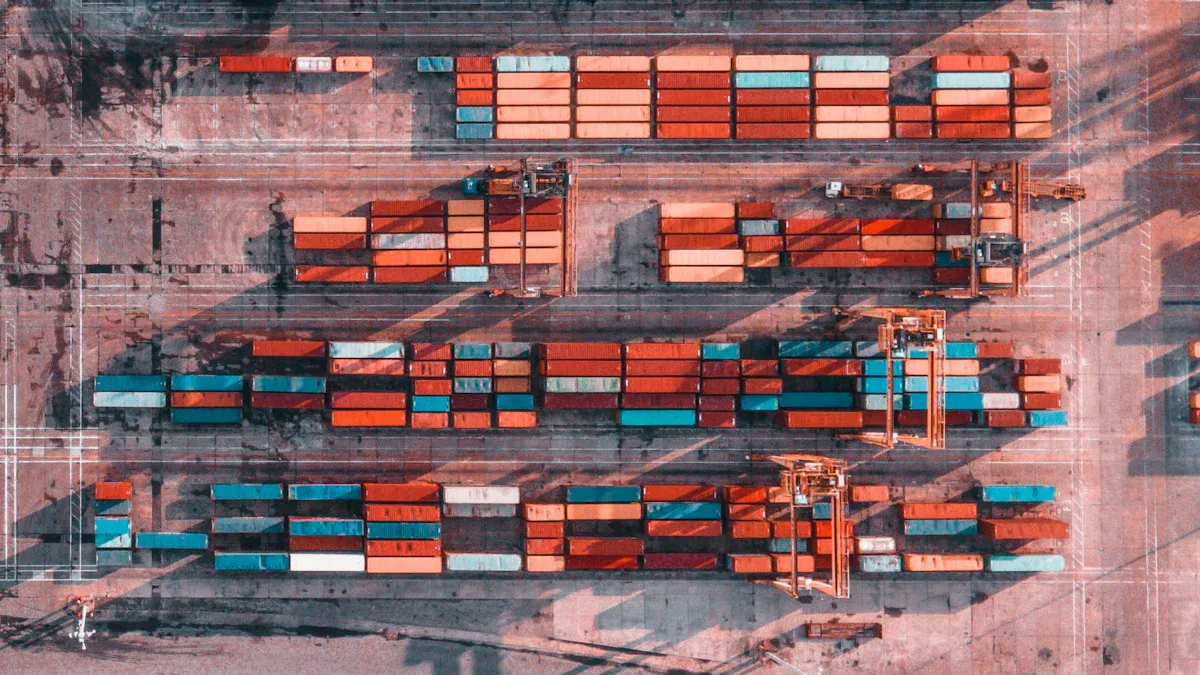
If you want to make international shipping easier, DDP shipping might be your answer. You get less paperwork, clear costs, and fewer surprises because the seller handles the hard parts. Sellers take charge of the process, which helps you trust your orders will arrive on time. Check out the most common DDP benefits and responsibilities for both sides:
Seller Advantages | |
|---|---|
Simplified importing process | Complete control over the shipping process |
Reduced paperwork and administrative tasks | Potential to negotiate rates for higher profit margins |
Predictable total costs with all-inclusive pricing | Increased customer satisfaction, trust, and conversion rates |
Enhanced trust when dealing with international suppliers | Encouraging repeat business |
Less risk as the seller assumes responsibility for the shipment | Opportunity to compete in the global market |
Increased confidence in international transactions |
Key Takeaways
DDP shipping simplifies international purchases by letting sellers handle all customs, taxes, and paperwork, making it stress-free for buyers.
Buyers enjoy predictable costs with no hidden fees, allowing for better budgeting and planning.
Sellers gain a competitive edge by offering transparent pricing and hassle-free logistics, which can lead to increased customer satisfaction and repeat business.
DDP shipping reduces administrative burdens for buyers, allowing them to focus on their core business instead of shipping details.
Choosing DDP means less risk for buyers, as sellers assume responsibility for the entire shipping process until delivery.
DDP Shipping Overview

What Is DDP
You might wonder what DDP means when you see it in shipping terms. DDP stands for Delivered Duty Paid. In simple words, the seller takes care of almost everything. You just wait for your goods to arrive. The seller pays for shipping, handles customs, and covers all import duties and taxes. You do not have to worry about surprise fees or paperwork. This makes buying from another country much easier for you.
Note: With DDP, you get your order delivered right to your door without extra steps or hidden costs.
How DDP Works
Let’s break down the DDP process so you can see how it works from start to finish:
Export Clearance: The seller prepares all the documents and pays any export fees.
International Freight: The seller arranges and pays for the main shipping method, like air or sea freight.
Import Clearance: The seller manages customs clearance and pays all import duties and taxes.
Last-Mile Delivery: The seller organizes delivery to your location.
You do not need to handle any of these steps. The seller manages the whole journey, from their warehouse to your doorstep.
Key Responsibilities
DDP shipping splits the work in a clear way. Here’s how it looks:
The seller is responsible for:
Transportation from their place to yours
All customs paperwork and approvals
Paying all import duties and taxes
Making sure the goods arrive at your address
You, as the buyer, only need to:
Receive the goods
Check that everything is correct
This setup removes stress for you and gives you peace of mind. The seller takes on more work, but you get a smooth and simple buying experience.
DDP Benefits and Responsibilities for Buyers

Hassle-Free Customs and Duties
When you choose DDP shipping, you skip the headaches of customs and import rules. You don’t have to fill out confusing forms or pay surprise fees at the border. The seller takes care of everything, so you can relax and wait for your goods to arrive. Here’s how DDP makes customs easy for you:
The seller handles all customs paperwork and approvals.
You avoid paying duties and taxes yourself.
You don’t need to learn about foreign import laws.
This means you don’t get stuck with unexpected customs bills or delays. The seller manages the process, so your shipment moves smoothly through customs. You get to enjoy one of the biggest ddp benefits and responsibilities—less stress and more time for your business.
Cost Transparency and Predictability
No one likes hidden costs. With DDP shipping, you know exactly what you’ll pay before your order ships. The seller includes all fees—shipping, duties, and taxes—in one price. You don’t have to worry about extra charges popping up later.
Here’s a quick look at how DDP compares to other shipping terms:
Shipping Term | Seller's Responsibility | Buyer's Responsibility |
|---|---|---|
DDP | Covers all costs, including import duties and taxes | Minimal responsibility, only risk after delivery |
DAP | Delivers goods but does not cover import duties/taxes | Responsible for import duties and taxes |
EXW | Minimal responsibility, goods at seller's premises | All costs and risks from the seller's premises onward |
With DDP, you get clear, upfront pricing. This helps you plan your budget and avoid surprises. You can trust that your total landed cost is predictable, which is one of the most valuable ddp benefits and responsibilities for buyers. Just remember, it’s smart to check for any hidden costs in your agreement, so you don’t get caught off guard.
Reduced Risk and Administrative Burden
You want to focus on growing your business, not chasing paperwork or worrying about penalties. DDP shipping takes away most of the risk and admin work for you. The seller manages all the details, so you don’t have to.
You only need to receive and unload your products.
There are no surprise fees after your purchase.
For example, sometimes a seller might make a mistake with customs paperwork. If that happens, you could still get a bill later. It’s rare, but it’s good to stay alert and double-check your supplier’s reputation.
Overall, ddp benefits and responsibilities mean you spend less time on shipping tasks and more time on what matters most to you.
Streamlined Operations
When you use DDP shipping, your daily operations get a lot easier. You don’t have to manage customs clearance or track down invoices from different carriers. Everything comes in one package, and you get a single invoice for your records.
Advantages | Hidden Costs |
|---|---|
Single invoice simplifies accounting | Embedded logistics markup (8-15%) |
Eliminates customs clearance management | Limited visibility into duty optimization |
Predictable landed costs for planning | No control over carrier selection |
Supplier absorbs clearance delay risks | Potential overcharging on duties/taxes |
You get simplified logistics, predictable costs, and fewer administrative headaches. This lets you focus on your core business instead of worrying about shipping details.
DDP shipping simplifies the logistics process for buyers, allowing you to focus on your core business activities by removing the burden of handling complex international shipping logistics and managing customs processes.
When you look at ddp benefits and responsibilities, you see how much time and energy you save. You can put that effort into growing your business, serving your customers, or launching new products.
DDP Benefits and Responsibilities for Sellers
Enhanced Customer Satisfaction
You want your customers to feel happy and confident when they buy from you. DDP shipping helps you do that. When you offer DDP, you remove the stress of hidden fees and confusing customs rules for your buyers. They know exactly what they will pay, and they get their orders delivered right to their door.
Here’s how DDP shipping can boost your customer satisfaction:
Description | |
|---|---|
Eliminates unexpected costs | Reduces cart abandonment and negative reviews, enhancing satisfaction and loyalty. |
Provides a seamless experience | Ensures customers are aware of all costs upfront, leading to a hassle-free purchasing process. |
Builds trust in the brand | Encourages repeat purchases and improves overall customer experience. |
You give your buyers a smooth, worry-free experience. They trust you more because you handle everything. This trust often leads to repeat business and positive reviews. When you make things easy for your customers, they remember you and come back for more.
DDP shipping enhances customer trust by providing transparent pricing and faster delivery times. Customers love a hassle-free experience and are more likely to buy from you again.
Competitive Edge in E-Commerce
You want to stand out in the crowded world of online selling. DDP shipping gives you a strong advantage. Most buyers prefer sellers who make international shopping simple. Over 70% of cross-border e-commerce sellers now use DDP because it helps with customs clearance and delivery predictability.
Here’s why DDP shipping makes you more competitive:
You provide transaction certainty and transparency.
You show strong supply chain management skills.
You offer worry-free logistics solutions.
You take complete ownership of the delivery process, which builds trust.
When you offer DDP, you make it easy for buyers to choose you over others. They know there won’t be surprise costs or delays. This can lead to higher conversion rates and more sales. You also show that you care about your customers’ experience, which sets you apart from sellers who don’t offer DDP.
Impact on Customer Satisfaction | |
|---|---|
Transparent pricing | Reduces anxiety about hidden costs, leading to higher satisfaction. |
Improved delivery speed | Enhances overall customer experience and satisfaction. |
Higher conversion rates | Indicates increased customer trust and satisfaction, leading to repeat purchases. |
Managing Risks and Costs
When you choose DDP shipping, you take on more responsibility. You must handle all customs clearance, pay import duties, taxes, and VAT, and cover all transport costs. This can affect your profit margins, especially if there are shipping errors or delays.
Here are some common risks you face:
Description | |
|---|---|
Misdeclared Goods | DDP shipments are often under-declared or misclassified, leading to potential legal issues. |
Penalties & Audits | Sellers may face scrutiny from customs due to their name appearing on shipping documents. |
Cargo Seizure | Customs can seize goods if violations are found, resulting in inventory loss and order delays. |
No U.S. IOR = No Protection | Without a U.S.-based Importer of Record, sellers are left vulnerable to legal repercussions. |
You need to manage these risks carefully. Many sellers buy cargo insurance to protect themselves. You also need to find reliable customs brokers and understand the import rules for each country you ship to. If you don’t, you could face penalties or lose your goods.
Tip: Always double-check your paperwork and work with trusted partners to avoid costly mistakes.
You must also factor all these costs into your pricing. If you don’t, you might lose money on each sale. Managing ddp benefits and responsibilities means you need to stay organized and plan ahead.
Logistics and Compliance Challenges
Handling DDP shipping means you deal with complex logistics and strict compliance rules. Every country has different customs procedures, taxes, and regulations. You must keep up with these changes to avoid delays and extra fees.
Some challenges you might face include:
Legal accountability during import. You must follow all local laws or risk penalties.
Exposure to cost fluctuations. Import duties and tariffs can change without warning.
Country-specific rules and delays. Unique customs steps can slow down your shipments.
Currency exchange and tax variability. Changing rates can impact your profits.
Buyers becoming dependent on you. You handle all customs and delivery issues, which increases your workload.
You often need to hire freight forwarders to help with logistics and customs clearance. You must calculate duties and taxes correctly to avoid financial surprises. Many sellers include these costs in their shipping rates to stay profitable.
DDP shipping gives you more control, but it also means more work. You need to stay informed and ready to solve problems quickly.
When you manage ddp benefits and responsibilities well, you can grow your business and reach new markets. You build a reputation as a reliable seller who puts customers first. This can lead to more sales and long-term success.
DDP vs. Other Shipping Terms
DDP vs DDU/DAP
You might wonder how DDP stacks up against other shipping terms like DDU or DAP. The main difference comes down to who handles the tough parts—customs, taxes, and paperwork. With DDP, you get a hands-off experience. The seller takes care of everything, so you just wait for your goods to arrive. With DDU or DAP, you have to step in and handle customs and pay duties yourself.
Here’s a quick look at how responsibilities change:
Aspect | DDU Responsibilities | |
|---|---|---|
Seller's Tax/Duty Payment | Seller pays all duties and taxes | Buyer pays all duties and taxes |
Risk Transfer | Seller keeps risk until your door | Risk shifts to you once shipment reaches your country |
Documentation | Seller manages all import/export paperwork | You handle customs clearance paperwork |
You can also see a difference in costs. DDP usually has a higher upfront price, but you avoid surprise fees later. DAP or DDU might look cheaper at first, but you pay duties and taxes when your goods arrive.
Shipping Method | Total Cost | Import Duties & Taxes | Final Cost |
|---|---|---|---|
DDP | $3,300 (included) | $30,000 | |
DAP | $26,700 | N/A | $26,700 |
Tip: DDP gives you peace of mind with one clear price, while DDU/DAP can bring extra steps and costs.
Choosing the Right Shipping Term
Picking the best shipping term depends on your needs and resources. Ask yourself a few questions before you decide:
Do you want full control over customs and costs?
Can you handle paperwork and local regulations?
Do you prefer a simple, all-in-one price?
You should also think about:
How much risk you can handle
The rules in your destination country
Your experience with international shipping
Your ability to manage logistics and finances
Some industries suggest matching your shipping terms with your business strategy. You might need to invest in technology, build strong partnerships, and stay updated on trade rules. If you want less hassle and more predictability, DDP is a smart choice. If you want more control and lower upfront costs, DDU or DAP might work better.
Note: Always check your supplier’s capabilities and your own knowledge before you choose. The right shipping term can save you time, money, and stress.
You get a lot from DDP shipping, whether you buy or sell. Check out this quick table:
Role | |
|---|---|
Seller | Handles packing, shipping, customs, and all costs until delivery. |
Buyer | Only needs to receive and unload goods—no customs or tax worries. |
Choose DDP if you want simple, hassle-free shipping and happy customers. But watch out for higher costs and tricky customs rules. Always weigh the pros and cons before you decide on your shipping plan.
FAQ
What does DDP mean in shipping?
DDP stands for Delivered Duty Paid. You let the seller handle all shipping, customs, and taxes. You just wait for your goods to arrive at your door.
Is DDP shipping more expensive?
You might pay a higher upfront price with DDP. You avoid surprise fees later. The total cost is clear from the start, so you can plan your budget.
Who handles customs paperwork with DDP?
The seller takes care of all customs paperwork. You do not need to fill out forms or deal with customs agents. You just receive your shipment.
Can I track my DDP shipment?
Yes! Most sellers give you a tracking number. You can follow your package from the seller’s warehouse to your address.
See Also
PGL's Port-Side Support Ensures Quick, Hassle-Free Shipping
Efficient Inventory Management and Distribution via PGL Warehousing
Understanding PGL's B2B Warehousing and Distribution on the East Coast
Enhancing East Coast Import Warehousing and Delivery with PGL
