What Is DDP Shipping and How Does It Work
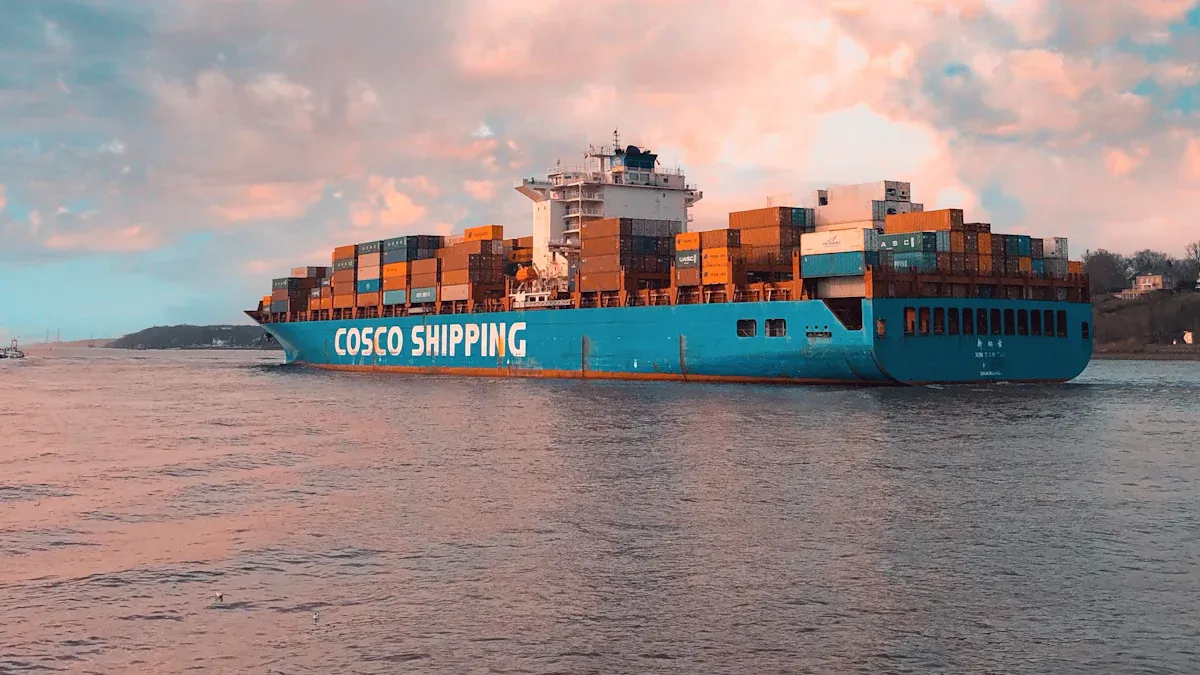
DDP shipping means you buy goods and the seller pays all shipping costs, import duties, and taxes. You do not need to worry about extra fees when your order arrives. DDP shipping guide helps you see the full price before you buy. This method combines transportation, customs, and taxes into one clear cost. You can set your budget with confidence and avoid surprises. In high-tariff countries, DDP gives you a fixed price that covers everything. Knowing your total landed cost makes it easier to plan and price your products.
Key Takeaways
DDP shipping means the seller pays all costs, including shipping, taxes, and duties, so you don't face surprise fees when your order arrives.
You get a clear total price before buying, which helps you budget and avoid unexpected costs.
The seller handles all customs paperwork, making the process easier and faster for you.
DDP shipping is great for first-time international buyers or those who want a hassle-free experience.
Always check the seller's ability to manage customs in your country to avoid delays or extra costs.
What Is DDP Shipping
DDP Definition
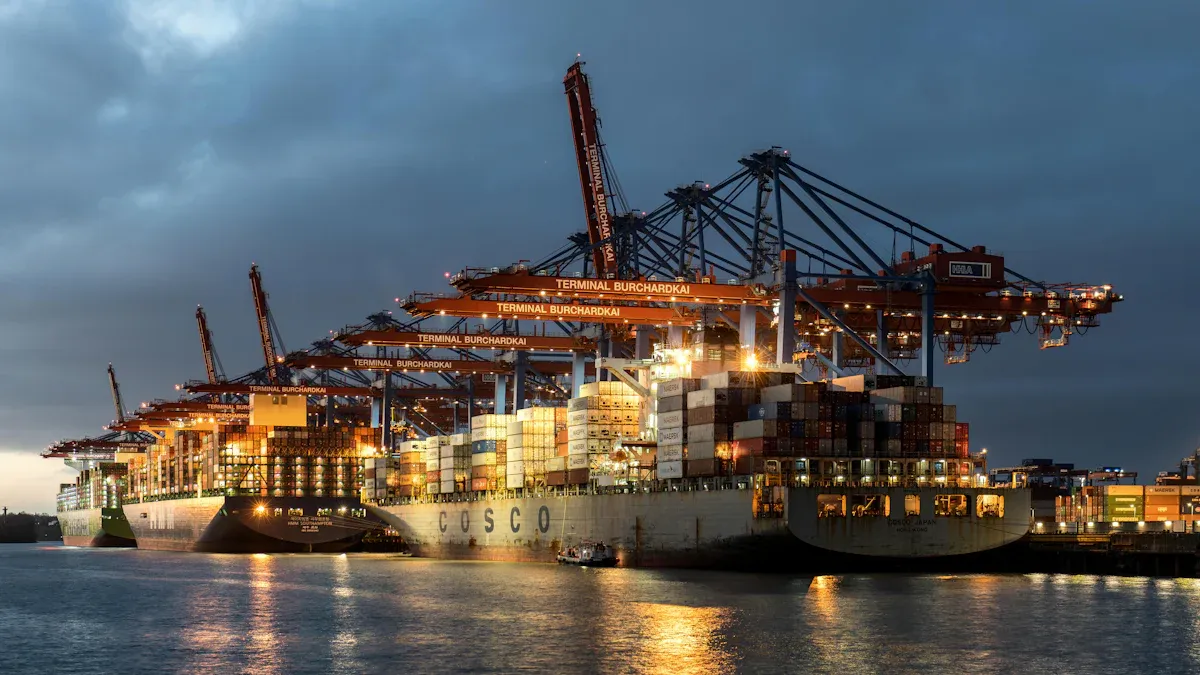
DDP shipping stands for Delivered Duty Paid. You use this method when you want the seller to take care of everything until your goods arrive at your door. According to the International Chamber of Commerce, DDP shipping means the seller delivers the goods to your chosen location and pays all costs and risks until you can unload the shipment. The seller handles export, transit, and import clearance. You only need to unload the goods once they reach you. This makes the process simple and stress-free for you.
Key Features
You can spot DDP shipping by looking at who handles the costs and risks. The seller pays for shipping, customs, duties, and taxes. You do not need to pay extra when your order arrives. The seller also manages all paperwork and logistics. You get a clear price before you buy, which helps you plan your budget. The ddp shipping guide shows you how this method compares to others. Here is a table that highlights the main differences between DDP and another common shipping term, FOB:
Feature | DDP (Delivered Duty Paid) | FOB (Free on Board) |
|---|---|---|
Responsibility Transfer | Seller maintains responsibility until delivery to buyer's location | Seller's responsibility ends once goods are loaded onto the vessel |
Cost Implications | Seller bears all costs including shipping, customs, and delivery | Buyer pays for main carriage, insurance, and final delivery |
Risk Management | Seller retains risk until goods reach buyer's location | Buyer assumes risk once goods are loaded onto the vessel |
Control Over Logistics | Seller controls the entire logistics process | Buyer has greater control over logistics and carrier selection |
You see that DDP shipping gives you less risk and more convenience. The seller does all the work, and you get your goods without extra steps.
Why DDP Matters
You benefit from DDP shipping in many ways, especially if you run an online store or buy products from other countries. The ddp shipping guide helps you understand why this method is important:
No Customs Hassles for the Buyer: You do not need to fill out customs forms or pay surprise fees.
End-to-End Cost Transparency: You know all costs before you buy, which helps you set prices and manage your money.
Faster Customs Clearance: Your goods move quickly through customs because the seller handles all paperwork.
Reduced Risk of Shipment Holds or Fines: The seller follows the rules, so your shipment is less likely to get stuck or fined.
Better Customer Experience: You get your order faster and with fewer problems, which makes you happier and more likely to buy again.
Tip: If you want a smooth buying experience and clear pricing, DDP shipping is a smart choice. You avoid delays and hidden costs, and you can focus on growing your business.
DDP Shipping Guide: How It Works
DDP Process Steps
You can follow a clear process when you use DDP shipping. The ddp shipping guide shows you each stage from order to delivery. Here is how the process works:
Order Processing: You place your order. The seller packs your goods and prepares all export documents. This step usually takes one to two days.
Carrier Pickup and Transit: The shipping company picks up your package. The seller pays for the main transport, whether by air, sea, or express service. The time for this step depends on the distance and shipping method.
Customs Clearance: Your shipment arrives in the destination country. The seller files all customs declarations and pays duties and taxes using the latest codes. Customs clearance can take one to three days.
Final Delivery: After customs, the carrier delivers your goods straight to your address. This step often takes one to five days.
Handover: You receive your package. You only need to unload the goods. The seller’s responsibility ends here.
Tip: You do not pay extra charges when your order arrives. The seller covers all costs and risks until you get your goods.
Customs and Documentation
Customs clearance is a key part of the ddp shipping guide. The seller must prepare the right paperwork to avoid delays. Here is a table that shows the main documents needed for DDP shipping:
Documentation Type | Description |
|---|---|
Consignee | You need a valid address and tax ID number. The seller lists a local business as the consignee. |
Customs Surety Bond | The seller uses a bond to pay duties and penalties. This can be a single bond or an annual renewal. |
Commercial Invoices | The invoice includes details about the shipper, receiver, export date, and item description. |
The seller must know the rules for your country. DDP shipping often requires more paperwork than other shipping methods. The ddp shipping guide helps you understand why correct documents matter. If the paperwork is wrong, customs may hold your shipment or charge extra fees.
Here is a comparison of customs procedures for DDP and other shipping terms:
Aspect | DDP Shipments | Other Incoterms |
|---|---|---|
Responsibility for Duties | Seller pays all import duties and taxes. | Buyer usually pays these costs. |
Complexity of Procedures | Seller must know local regulations, which can be complex. | Sellers face fewer rules. |
Additional Costs | Seller pays for unexpected customs charges. | Buyer may pay extra fees. |
Local Representation | Seller may need local agents for customs clearance. | Not required for most other terms. |
Delivery and Handover
You enjoy a simple delivery process with DDP shipping. The ddp shipping guide explains that the seller manages every step until your goods reach your door. You do not need to arrange for customs clearance or pay surprise fees. The carrier delivers the package to your address. You only need to unload the shipment.
Note: DDP shipping gives you peace of mind. You know the total cost before you buy, and you avoid delays at customs.
If you want a smooth and predictable shipping experience, DDP shipping is a strong choice. You save time and avoid extra work. The ddp shipping guide helps you see why many buyers prefer this method for international orders.
Responsibilities in DDP
Seller’s Duties
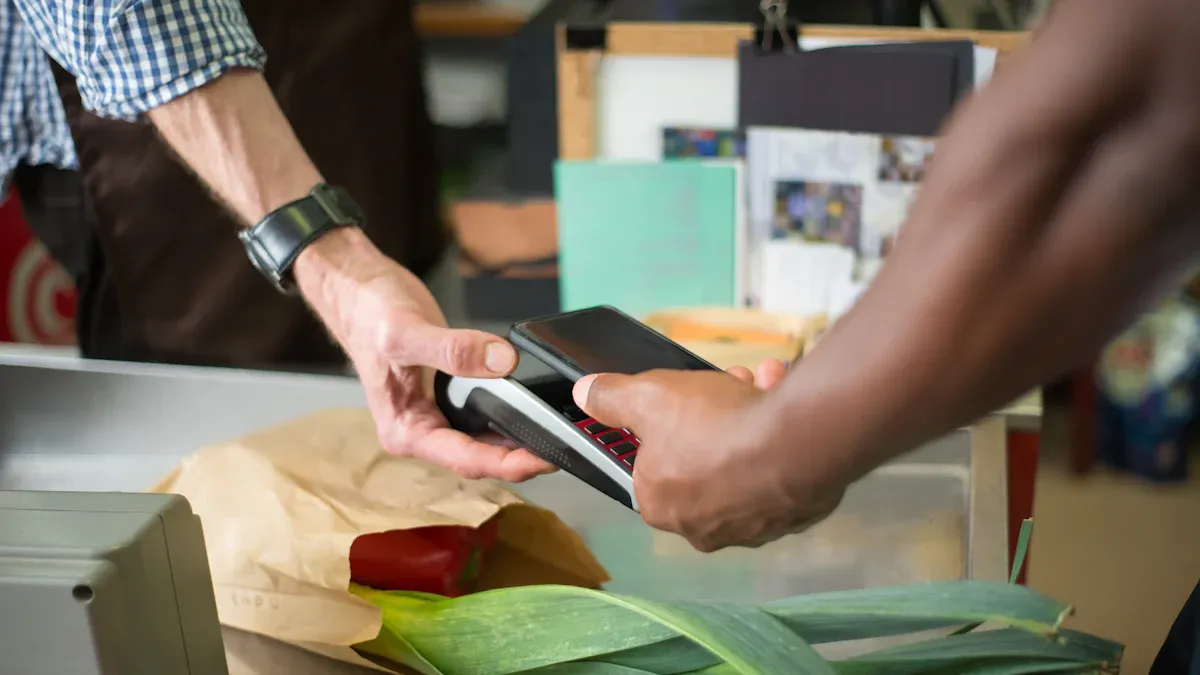
When you choose DDP shipping, the seller takes on many responsibilities. The seller must:
Arrange and pay for transportation to your chosen location.
Handle all export and import customs clearances, duties, taxes, and follow all regulations.
Cover every risk and cost until your goods reach your address.
Provide all documents needed for export, import, and delivery.
Note: Sellers often face challenges with DDP shipping. Different countries have unique customs rules, which can make compliance difficult. Weather, strikes, or political events may cause delays. Disputes can also happen if goods get damaged or if customs values do not match. Sellers need clear contracts and insurance to protect themselves.
Challenge Type | Description |
|---|---|
Customs Regulations | Sellers must understand and follow different customs rules in each country to avoid delays. |
Potential Delays | Weather, strikes, or political unrest can slow down shipments. |
Disputes and Liability | Problems can arise from damaged goods or customs issues. Insurance and clear contracts help reduce risk. |
International regulations also affect DDP shipping. Sellers must follow all import laws, which can lead to penalties if they make mistakes. Changes in tariffs or duties can raise costs. Country-specific rules may cause extra delays or fees.
Buyer’s Duties
Your responsibilities as the buyer are simple but important. You must:
Be ready to accept and receive the goods at the delivery location.
Help with customs inspections if asked, by giving needed documents or information.
Allow the seller access to your delivery location.
Tell the seller about any changes or restrictions at your address.
Take part in customs clearance if your country requires it.
Tip: You can make the process smoother by staying in touch with the seller and preparing your site for delivery.
Risk Transfer Point
In DDP shipping, the seller carries all risks until your goods arrive at your address. You take on the risk only when you receive the shipment at the agreed place. Before delivery, the seller is responsible for any loss or damage during transit.
Pros and Cons of DDP
Seller Advantages
You gain several benefits when you offer DDP shipping. You make the buying process easier for your customers. You also open your business to new markets. Here is a table that shows the main advantages for sellers:
Advantage | Description |
|---|---|
Enhanced Customer Experience | You give buyers a smooth experience by removing surprise costs at delivery. |
Reduced Friction in Sales | You handle customs and duties, so buyers feel confident and buy more often. |
Global Market Access | You can sell in new countries without worrying about complex rules. |
You also lower risk for buyers, which helps you build trust and increase sales. You may choose safer shipping routes to avoid problems. DDP shipping can help you stand out from other sellers and attract more international customers.
Buyer Advantages
You enjoy many benefits when you choose DDP shipping. You do not need to worry about customs, taxes, or extra fees. The seller takes care of everything for you.
DDP is highly convenient. You do not need to worry about the complexities of international shipping, customs clearance, or paying import duties and taxes. This can be especially helpful if you are new to buying from other countries or do not have the resources to manage these steps.
You get a clear price before you buy. You avoid surprise charges and delays. You save time and effort because the seller handles all paperwork and logistics.
Disadvantages and Risks
DDP shipping has some drawbacks for both sellers and buyers. Sellers face many risks and extra costs. You may see these challenges if you sell with DDP:
Risk Type | Description |
|---|---|
Unexpected Fines | You may get fines even if you are not the official importer. |
Legal Liability | You must follow customs rules or face legal problems. |
Customs Complexities | You need to understand many different regulations. |
Increased Cost Burden | You pay all duties and taxes, which can lower your profits. |
Delays in Customs | Shipments can get stuck, making customers unhappy. |
As a buyer, you lose control over delivery times and cannot speed up the process. You must rely on the seller for updates and support. Sometimes, sellers add hidden costs to the price. If problems happen, you may not get help quickly.
Tip: Always check the terms and ask questions before you choose DDP shipping. This helps you avoid surprises and make better decisions.
When to Use DDP & Comparison
Best Use Cases
You should choose DDP shipping when you want a simple and stress-free buying process. DDP works best in these situations:
You are a first-time international buyer and want to avoid confusion.
You order large or frequent shipments, like a beauty company importing cosmetics into the UK or EU.
You do not want to handle customs paperwork or pay surprise fees.
You want to save time and reduce your administrative work.
Some products are especially suited for DDP shipping. Here is a table to help you decide:
Product Type | Description |
|---|---|
High-duty items | Alcohol, tobacco, perfumes, electronics, and luxury goods often have high import duties. DDP covers these costs. |
High-value goods | Expensive items need extra care. DDP protects you from risks during transit. |
Tip: If you want to focus on your business and avoid customs problems, DDP is a smart choice.
When to Avoid DDP
You should avoid DDP shipping in some cases. DDP may not work well if:
You do not know the destination country’s rules or the seller has little control over customs.
The seller is not familiar with local regulations.
There is a high risk of cost mistakes, which can lead to financial loss.
The seller faces complex or changing customs laws, like in Brazil, Russia, or India.
Import duties and taxes change often, making it hard to set prices.
Drawback | Description |
|---|---|
Compliance complexity | Sellers must know trade laws and classify goods correctly to avoid penalties. |
Varied tax rates | Duties can change, making pricing hard. |
Regulatory challenges | Some countries have strict rules that make DDP risky. |
Note: DDP can limit your control over shipping and delivery. You may not choose the carrier or speed.
DDP vs DDU/DAP
You have other options besides DDP. Here is how DDP compares to DDU and DAP:
Aspect | DDP (Delivered Duty Paid) | DDU (Delivered Duty Unpaid) | DAP (Delivered At Place) |
|---|---|---|---|
Duties & Taxes | Seller pays | Buyer pays | Buyer pays |
Customs Clearance | Seller handles | Buyer handles | Buyer handles |
Transportation Costs | Seller covers | Seller covers | Seller covers |
Risk Transfers | At your location | At entry point | At destination (before unloading) |
Buyer’s Responsibility | Only receive goods | Pay duties, clear customs | Pay duties, clear customs |
Seller’s Responsibility | All-inclusive | Shipping only | Shipping to agreed point |
Best For | B2C, small importers | Experienced importers | B2B, partial support |
DDP gives you the least responsibility but can cost more.
DDU and DAP let you handle customs, which may save money but adds risk and work.
Tip: Choose the shipping term that matches your experience and needs. DDP is best if you want everything handled for you.
You now understand that DDP shipping means the seller handles all costs, duties, and risks until your goods arrive. You must know each party’s responsibilities and risks before you choose DDP. Here are some important points to remember:
Specify your delivery address to avoid disputes.
Check if the seller can act as importer of record in your country.
Compare DDP pricing with DAP and FOB for cost transparency.
Watch for customs risks like incorrect declarations.
Confirm insurance coverage and prepare for unloading.
If you want to learn more about DDP shipping and Incoterms, these resources can help:
Resource Title | Description |
|---|---|
DDP Shipping, Incoterms & Calculator | DDP shipping incoterm explained in plain English. Find out how to select the right incoterm for your shipment at Freightos.com. |
Delivered Duty Paid (DDP) Incoterms® explained | Learn the meaning of DDP Incoterms® and see if DDP is the right option for your business. |
FAQ
What does DDP mean for you as a buyer?
You get your goods delivered to your door. You do not pay extra fees, duties, or taxes. The seller handles all paperwork and costs. You only need to receive and unload your shipment.
Can you track your DDP shipment?
You can track your shipment using the carrier’s tracking number. The seller provides updates during transit. You see each step from pickup to delivery. Tracking helps you plan for arrival.
Who pays customs duties and taxes with DDP shipping?
The seller pays all customs duties and taxes. You do not need to pay anything when your order arrives. You avoid surprise charges and delays at customs.
Is DDP shipping available worldwide?
You can use DDP shipping in most countries. Some places have strict rules or complex customs. Always check with your seller before you order. DDP may not work in every country.
What happens if your DDP shipment gets delayed?
You should contact the seller for updates. The seller manages customs and delivery. Delays can happen due to weather, strikes, or paperwork issues. You do not pay extra for delays.
See Also
PGL's Port-side Warehousing Ensures Quick And Easy Shipping
Understanding PGL's B2B Warehousing And Distribution On The East Coast
PGL Simplifies Import Warehousing And Delivery On The East Coast
PGL's Miami Warehouse Solutions For Rapid East Coast Deliveries
Collaborate With PGL For One Shipment And Multiple Deliveries
