FOB shipping terms explained: meaning, responsibilities, and risk transfer
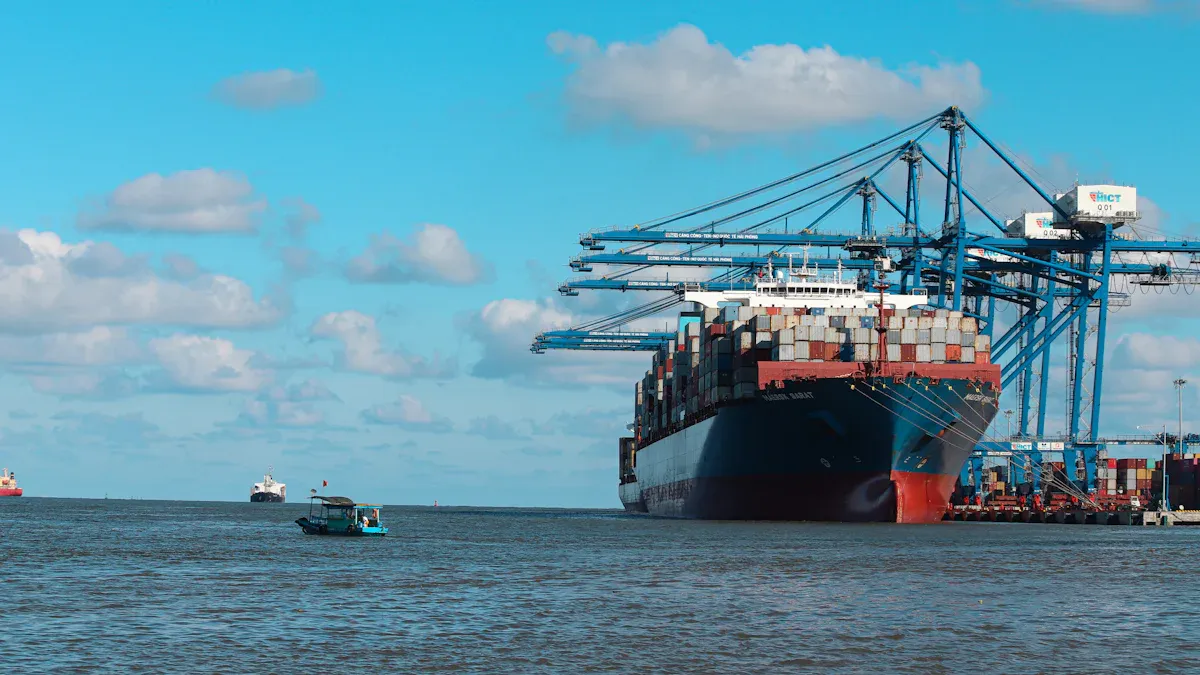
You see fob shipping terms explained frequently in global trade. Many people do not understand the nuances of risk and responsibility associated with these terms. If you use fob shipping, it is crucial to know when the risk changes. For instance, a furniture maker in China lost money because their shipment was ruined before it reached the port. Under fob shipping terms, the seller still bore the risk at that point. Some exporters confuse local and global shipping terms, mistakenly believing that fob means delivery to the buyer’s door. In reality, it only covers responsibilities up to the port. Many buyers choose fob without fully understanding the associated risks. Risk only transfers when goods are loaded onto the ship, not when the carrier picks up the goods. Understanding these shipping terms helps you avoid costly mistakes.
Key Takeaways
FOB means the seller takes care of the goods until they are put on the ship. After the goods are loaded, the buyer is in charge and takes all risks.
Always write the port name in your FOB contract. This helps stop confusion about when the seller stops being responsible and the buyer starts.
Buyers need to get insurance after the goods are loaded. If they do not have insurance, they could lose money if something goes wrong during shipping.
Know the difference between FOB origin and FOB destination. This choice decides who pays and who takes the risk while shipping.
Ask a freight forwarder for help with FOB terms. They can help you avoid errors and make shipping go well.
What is FOB shipping?
FOB shipping terms explained
You might see fob shipping terms in many trade papers. If you use fob shipping, you follow clear rules. These rules say who pays for things and who takes the risk. FOB means free on board. The seller must put your goods on the ship at the port you both pick. After the goods are loaded, you are now responsible.
Let’s see how big trade groups explain fob shipping in global shipping:
Term | Definition |
|---|---|
FOB (Free on Board) | This term shows when costs and risks move from seller to buyer under Incoterms. It is used for sea freight that is not in containers or for river transport. |
Here are some important things to know about fob shipping:
With fob shipping, the seller pays and takes the risk until the goods are on the ship.
You, the buyer, take over after the goods are loaded.
Fob shipping started with sea trade and is now used in many shipping rules.
People all over the world use this idea.
To avoid mistakes, always check the port and know when the risk becomes yours.
FOB in Incoterms
Fob incoterms are part of the official rules from the International Chamber of Commerce. These rules help you and your trading partner know who does what during shipping. In Incoterms 2020, fob incoterms say the seller pays and takes the risk until the goods are loaded on the ship. The risk moves to you when the goods are on the ship, not at the ship’s rail like before.
Here is a quick look at the main jobs under fob incoterms:
Role | Seller's Obligations | Buyer's Obligations |
|---|---|---|
Export | Handle export clearance, pay to get goods to the ship, and get permits. | Pick the right ship and set up the shipping contract. |
Risk | Take all risks until the goods are loaded on the ship. | Take over all jobs from the time the goods are delivered. |
Loading | Make sure the goods are loaded on the ship on time. | Make sure the ship comes on time for loading. |
Documentation | Get papers like a bill of lading to show the contract. | May ask the seller for help getting shipping papers. |
Extensions | Know about special needs for things like “FOB stowed” or “FOB trimmed”. | Make sure the right ship is picked and ready for loading. |
Tip: Use fob incoterms only for sea freight that is not in containers or for river shipping. Do not use fob for air or container shipping.
If you use fob shipping terms in your contracts, your shipping will go more smoothly. You will have fewer problems. Always check the newest incoterms before you finish your shipping deals.
FOB responsibilities for buyers and sellers
When you use fob shipping terms, you need to know exactly what you must do as a seller or buyer. Each side has clear jobs. If you follow these steps, you can avoid confusion and costly mistakes. You also make sure your fob pricing matches the real work and risk you take on.
Seller’s obligations under FOB
As a seller, you have several important tasks under fob. You must get the goods ready and make sure they reach the ship safely. You also need to handle all the paperwork and pay for costs up to the loading point. Here is a table that shows your main legal duties under incoterms:
Obligation | Description |
|---|---|
Delivery of Goods | You must deliver the goods on board the vessel at the named port of shipment. |
Loading Responsibilities | You are responsible for loading the goods onto the vessel. This step is crucial to avoid disputes. |
Transfer of Risk | Risk moves to the buyer once the goods pass the ship’s rail or are loaded on board. |
Export Documentation | You must clear the goods for export. You do not need to clear them for import or transit. |
You must also complete these steps for fob shipping:
Deliver goods that match the contract and give a commercial invoice.
Get any needed export licenses and handle all export rules.
Arrange and pay for transport to the port of shipment.
Cover the costs and work for loading the goods on the ship.
Tell the buyer when the goods are on board.
Give proof that the goods have been loaded, such as a bill of lading.
Note: You must keep the goods safe in your warehouse, move them to the port, and clear customs for export. You pay all costs until the goods are loaded onto the vessel.
If you skip any of these steps, you risk delays, extra charges, or even legal trouble. Always check the latest incoterms to make sure your fob pricing covers all your duties.
Buyer’s obligations under FOB
As a buyer, your responsibilities start once the goods are loaded on the ship. You take on the risk from that moment. You must plan for all costs and actions after loading. Here is what you need to do under fob shipping:
Take on all risks and responsibilities after the goods are loaded onto the vessel.
Manage insurance for any damage or loss during sea transport.
Handle any shipping delays that happen after loading.
Take care of customs clearance and follow all rules in your country.
Pay for all transport and unloading costs after the goods are on the ship.
Make sure you follow environmental laws in your country.
Secure enough insurance for sea transport risks.
Work with the seller’s choices for the first part of shipping.
You also need to pay for these costs:
Cost Type | Responsibility |
|---|---|
Domestic costs before loading | Seller |
International shipping costs | Buyer |
Insurance for goods in transit | Buyer |
Tip: Always check your fob pricing to see what costs you must cover. Plan for insurance, shipping, and customs fees.
If you do not arrange insurance, you risk losing money if something happens to your goods at sea. You must also make sure your shipping company is reliable and your paperwork is correct. This helps you avoid delays and extra costs.
When you use fob shipping, you and the seller must work together. Clear communication and good planning help both sides meet their responsibilities. If you follow these steps, you can use fob shipping terms with confidence and avoid common mistakes.
FOB risk transfer explained
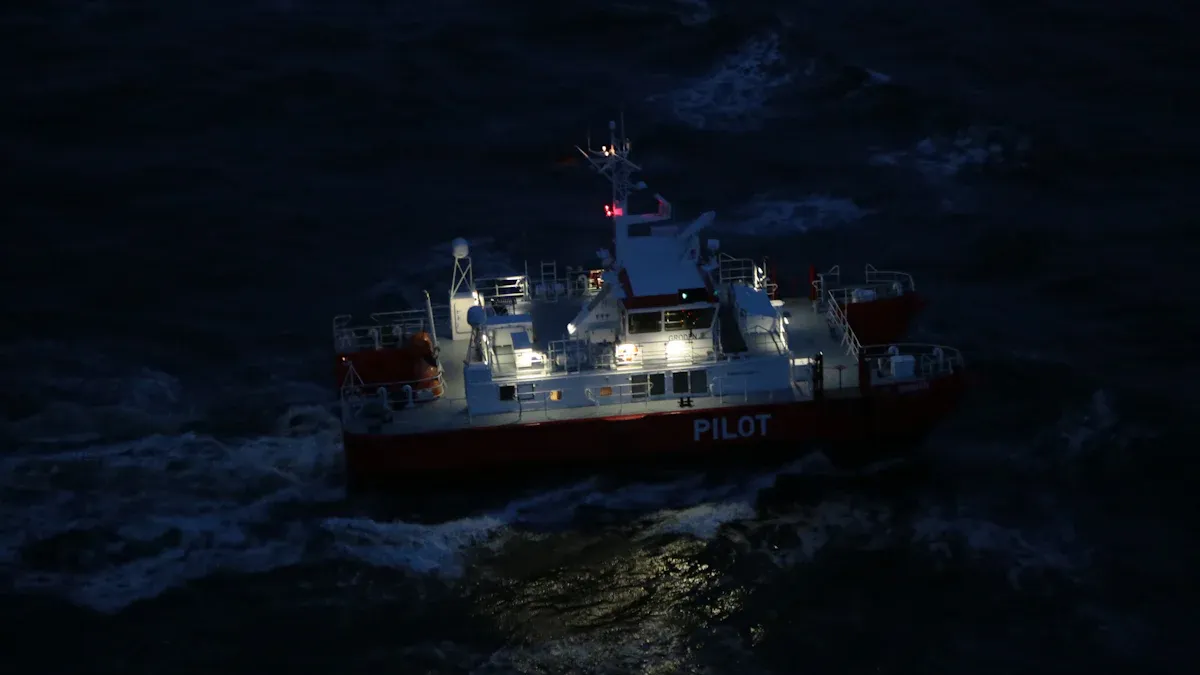
When does risk transfer in FOB shipping?
You need to know the exact moment when risk moves from seller to buyer in fob shipping. This point is very important for both sides. According to incoterms, the seller delivers the goods when they are loaded onto the vessel at the port of shipment. You, as the buyer, take on the risk as soon as the goods are on the ship. This rule is clear and helps avoid confusion.
Here is a table that shows when risk transfers in fob shipping:
Description | Risk Transfer Point |
|---|---|
Seller delivers goods loaded on board the vessel at the port of shipment. | When the goods are loaded onto the vessel at the port of shipment. |
Buyer takes delivery and risk once goods are loaded onto the designated vessel. | At the moment the goods are loaded onto the vessel. |
Seller fulfills obligations and transfers risk after loading. | After the goods are loaded onto the vessel. |
You must pay attention to the fob shipping point in your contract. If you do not name the port clearly, you may face problems. For example, a company in China sells electronics to a buyer in the USA. The terms are fob shipping point Shanghai Port. The buyer takes ownership and risk as soon as the goods are loaded onto the ship. If the goods get damaged during shipping, the buyer cannot ask the seller for compensation.
You should always check your contract for the correct fob shipping point. This step protects you from disputes and extra costs.
Practical implications for buyers and sellers
You need to understand what happens after risk transfers in fob shipping. This knowledge helps you plan for insurance, costs, and responsibilities. Here are some real-world examples:
A buyer in the U.K. buys machinery from India under fob terms. The contract does not name the port of shipment. The goods get damaged at a different port. This leads to a dispute. You can avoid this by always naming the fob shipping point in your contract.
Under fob shipping point, you as the buyer must arrange insurance as soon as the goods are loaded. If you do not, you risk losing money if something happens during shipping.
If you use fob destination, the seller keeps responsibility until the goods reach you. The seller must cover insurance during transit.
The timing of risk transfer in fob shipping affects who must buy insurance. You, as the buyer, need to get insurance once the goods are on the ship. The seller does not need to cover insurance after this point. This rule comes from incoterms and helps both sides know their jobs.
If you misunderstand when risk transfers, you may face serious problems. Here is a table that shows what can happen:
Consequence | Buyers' Impact | Sellers' Impact |
|---|---|---|
Responsibilities | May face unexpected costs if risk is misunderstood. | May incur penalties for delays if risk is not clear. |
Costs | Potential increase in overall shipping costs. | Risk of financial loss due to mismanaged obligations. |
Disputes | Higher likelihood of legal disputes over terms. | May face disputes regarding delivery and ownership. |
You can also see these practical tips:
Misunderstanding fob terms can lead to disputes over ownership and risk.
Clear contracts are essential to define responsibilities and minimize conflicts.
Delays in delivery can result in penalties for sellers under certain fob terms.
Tip: Always use clear language in your fob shipping contracts. Name the port, state when risk transfers, and decide who arranges insurance. This will help you avoid costly mistakes and keep your shipping smooth.
You should review your fob shipping agreements with your logistics team or freight forwarder. This step ensures you understand your responsibilities and protect your business from risk.
FOB variations and related Incoterms
FOB origin vs FOB destination
You can use fob in two main ways. These are fob origin and fob destination. These choices change who pays and who takes the risk. If you pick fob origin, you pay and take the risk once the goods are loaded. You must set up transport and pay for insurance. You also handle import customs. The seller’s job ends after loading the goods.
With fob destination, the seller stays responsible until the goods reach you. The seller pays for transport and covers risks until delivery. You only take over when the goods arrive at your place. This choice can change your shipping costs and risk plans.
Here is a table to help you compare fob origin and fob destination:
Aspect | FOB Origin | FOB Destination |
|---|---|---|
Cost Allocation | Buyer pays after goods are loaded | Seller pays until goods reach buyer |
Risk Transfer | Buyer takes risk after loading | Seller takes risk until delivery |
Ownership Transfer | Happens when goods are loaded | Happens when goods arrive at buyer’s place |
Seller's Responsibilities | Get goods ready, pack, load, clear export customs | Get goods ready, pack, load, clear export customs, pay for transport |
Buyer's Responsibilities | Pay for transport, handle import customs, unload | N/A |
Tip: Always check your contract for fob origin or fob destination. This helps you know who pays and who takes the risk.
FOB vs other Incoterms
It is important to know how fob incoterms are different from other rules. Each rule changes who pays and who takes the risk. With fob, you control things after loading. CIF means the seller pays for shipping and insurance to your port. EXW puts almost all jobs on you from the seller’s door.
Here is a table to show the main differences:
Incoterm | Seller's Responsibility | Buyer's Responsibility |
|---|---|---|
FOB | Pays and takes risk until goods are loaded | Pays and takes risk after loading |
CIF | Pays and takes risk until loading, plus shipping and insurance | Takes risk after loading, but has insurance |
EXW | Only gets goods ready for pickup | Pays and takes risk for everything else |
You may pick fob if you want more control over shipping and costs. If you are new to importing, you might want fob destination or CIF. These let the seller handle more steps. Always choose the rule that fits your needs and experience.
Note: fob incoterms work best for sea shipping. Do not use them for air or container shipping.
Common mistakes and freight forwarder’s role
Typical FOB shipping mistakes
If you use fob shipping, you can make mistakes. These mistakes can cost you a lot of money. Many people use fob for container cargo, but this is wrong. Fob works best for bulk or loose sea freight. If you use fob for air or container shipping, it can cause confusion. You might not know who is responsible for the goods at each step.
Some people do not know when risk moves to the buyer. They think risk moves when goods reach the terminal. But with fob, risk only moves when goods are on the ship. If your contract does not name the port, you can have arguments. You may not know where responsibility changes.
Here are some mistakes you should not make:
Using fob for container or air shipments.
Not naming the port in your contract.
Not knowing when risk moves to the buyer.
Not getting insurance after loading.
Mixing up fob with other rules like CIF or EXW.
Example: One company mixed up shipment dates and incoterms. This caused a fight about who pays for damages. Another company had unclear rules about freight and insurance. They got into legal trouble because it was not clear if the contract was fob or CIF. These problems can waste your time and money.
Role of freight forwarders in FOB
Freight forwarders help you avoid these mistakes. They make shipping easier for you. They work with shipping partners and follow customs rules. They help manage risks and keep your business running well.
Freight forwarders teach you about the fob shipping point. They explain who pays for what. They give you updates and training so you know what to do. They help you book space, fill out papers, and track your shipment.
Here is a table that shows how freight forwarders help with fob:
Service | Description |
|---|---|
Customs Brokerage | Handles all customs filings and lowers the risk of mistakes. |
Documentation | Prepares bills of lading and other important shipping papers. |
Global Network | Offers door-to-door delivery and keeps you updated on your shipment. |
You can trust freight forwarders to handle logistics and customs. They help you get good prices and clear your goods at the destination. They explain your jobs under freight on board terms and help you avoid mistakes.
Tip: Always use a trusted freight forwarder with fob. This keeps your business safe and your shipping smooth.
Why understanding FOB shipping matters
Impact on costs and liability
It is important to know fob shipping terms. This helps you handle your costs and risks. You need to know when ownership and responsibility change. Then you can plan for insurance and avoid surprises. If you use fob shipping, you can control your spending. You can also talk with suppliers and carriers better.
You know when to buy insurance for your goods.
You do not pay for damages that are not your fault.
You get clear details about who pays for each shipping step.
You can look at fob shipping point and fob destination to see what works best for you.
Tip: Always check your contract for the right fob term. This helps you avoid fights and extra costs.
If you understand fob shipping, you lower legal risks. You know who is in charge if something goes wrong. This keeps your business safe and helps you make smart choices.
FOB shipping and business decisions
If you know fob shipping, you can make better choices for your supply chain. You pick the shipping term that matches your company’s goals and risk level. For example, if you want more control, you might pick fob shipping point. If you want the seller to do more, you might choose fob destination.
You can match shipping choices with your money plans.
You can decide who pays for freight and insurance.
You can change your supply chain to work better.
“A distributor learned about fob origin and changed their buying terms. This helped them save money and avoid problems with damaged goods.”
You should check your shipping deals often. This helps you reach your business goals and keep costs low. Using fob shipping the right way gives you more control and helps you avoid mistakes.
Benefit | How FOB Helps Your Business |
|---|---|
Cost Control | Lets you manage and lower expenses |
Risk Management | Shows who is responsible for loss |
Supply Chain Efficiency | Helps you plan and choose better |
Knowing fob shipping and incoterms gives you tools to protect your business and make smart choices in global trade.
You now know the main ideas about fob. Here are some things to remember: The seller pays and takes care of the goods until they are put on the ship. You become responsible for the goods after they are on the ship. Having clear fob rules helps you stop arguments about shipping.
If your shipment is complicated, ask a logistics expert or freight forwarder for help. They can explain the rules and help you handle risk.
Resource Title | Description |
|---|---|
Shipping Incoterms: The Ultimate Guide | Find out about Incoterms, what people must do, and smart tips. |
What are Incoterms and Why Do They Matter? | See how Incoterms change costs, risks, and deals. |
Keep learning about Incoterms and world shipping. This will help keep your business safe.
FAQ
What does FOB mean in shipping?
You use FOB to show when you take responsibility for goods. The seller loads your goods onto the ship. After that, you handle the risk and costs.
Can you use FOB for air freight?
You should not use FOB for air freight. FOB works best for sea or river shipping. For air shipments, use terms like FCA instead.
What is the difference between FOB and CIF?
You control shipping and insurance with FOB after loading. With CIF, the seller pays for shipping and insurance to your port. The difference between fob and cif affects your costs and risk.
Who arranges insurance under FOB?
You arrange insurance after the goods are loaded onto the ship. The seller does not cover insurance once the goods are on board.
Why is naming the port important in FOB contracts?
You must name the port in your contract. This step makes it clear where the seller’s responsibility ends and yours begins. It helps prevent disputes.
See Also
Versatile Shipping Options Including FCL, LCL, and RoRo
Specialized Ocean Freight Solutions for Breakbulk and Oversized Cargo
Transport Large Loads Efficiently with Nationwide FTL Services
