Freight Broker Career Advancement: Growth Paths, Skills, and Long-Term Opportunities

You can shape your freight broker career advancement in ways that fit your goals and lifestyle. This field rewards performance and lets you move up fast if you work hard and build strong relationships. You might start as a freight broker agent, but your earning potential grows as you gain experience and take on bigger roles. Check out this table to see how income can increase at different stages:
Role | Typical Annual Income |
|---|---|
Freight Agent | $40,000–$90,000 |
Freight Broker Agent | $50,000–$100,000 |
Independent Freight Broker | $60,000–$150,000+ |
Specialized Brokers (Hazmat, Reefer) | $80,000–200,000+ |
Your career as a freight broker is truly customizable. You set your pace, choose your path, and unlock high earning potential with each step.
Key Takeaways
Freight broker jobs let you choose your own path. You can begin as a new worker. You can move up fast if you work hard and learn new skills.
Making good connections is very important. Meeting shippers and carriers gives you more chances to grow and do well.
Keep learning all the time. Learn about new market trends, technology, and rules. This will help you get better at your job and find more chances.
Make SMART goals to see how you are doing. These goals are Specific, Measurable, Achievable, Relevant, and Time-bound. They help you stay on track and keep trying.
Think about picking a special area or starting your own business. Focusing on one thing can help you be different and get loyal clients.
Freight Broker Role and Career Value
What Freight Brokers Do
Freight brokers have an important job. They help shippers move goods by finding the right carriers. They make sure trucks and schedules match up. They work hard to get shipments from one place to another without trouble. Their job is not just about making calls or sending emails. They also fill out paperwork, check on shipments, and fix problems before they get worse.
Here’s a quick look at what freight brokers do:
Responsibility | Description |
|---|---|
Connect shippers and carriers | Find companies that need to ship goods and match them with good carriers who have the right trucks. |
Negotiate rates | Use what they know about the market to get fair prices for shipping. |
Manage paperwork | Take care of bills, invoices, and other papers so shipments go smoothly. |
Track shipments | Watch where the freight is and tell clients if there are any delays. |
Facilitate communication | Be the main person who talks to both shippers and carriers, so everyone knows what is happening. |
Ensure compliance | Make sure all shipments follow the rules and laws for transportation. |
Freight brokers also help by making deals, meeting new people, and helping clients see where their shipments are.
Why Freight Broker Jobs Matter
Freight broker jobs are important for the supply chain. They help businesses save money by finding good routes and fair prices. They use technology to plan shipments. This helps deliveries happen faster and cost less. Real-time tracking helps them find problems early and keep clients happy.
More people want to be freight brokers now. Online shopping is growing, so more companies need fast shipping. When there are not enough trucks, freight brokers’ connections help a lot. The freight brokerage business is getting bigger, so there are more jobs.
If you want a job that lets you grow and make a difference, being a freight broker is a good choice. You can have a steady career and work in a field that helps keep the world moving.
Freight Broker Career Advancement Paths
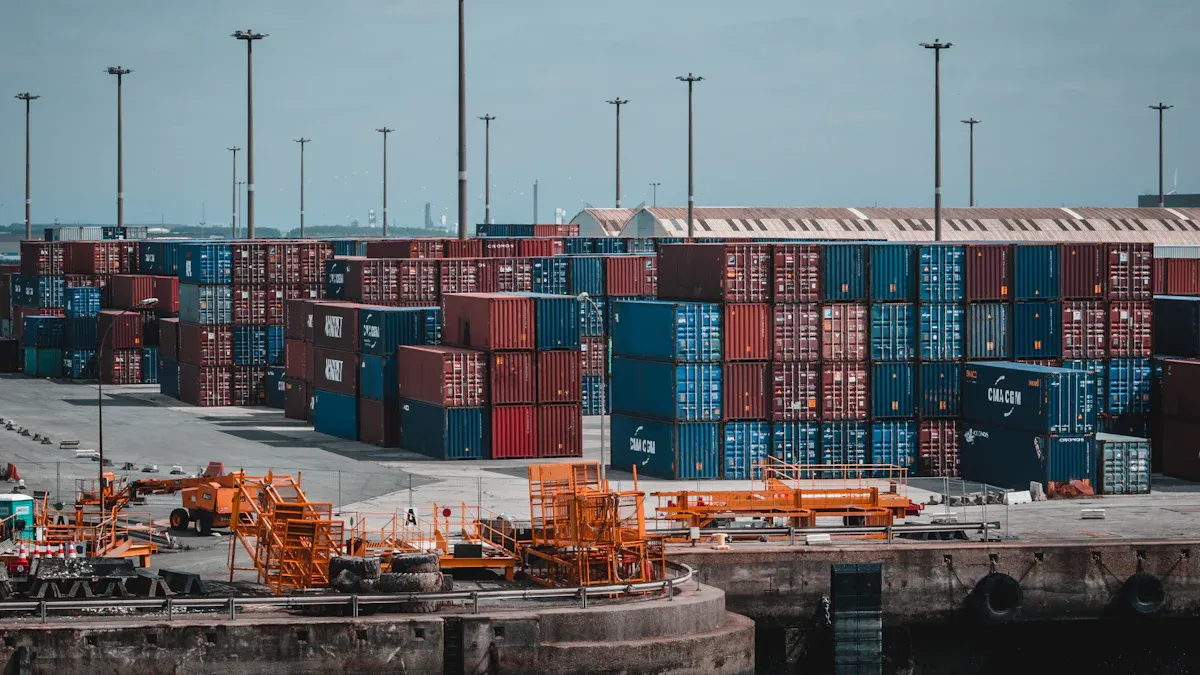
Freight broker career advancement gives you many ways to grow. You can start with small jobs and reach big goals. If you work hard and learn new things, you can move up. This field rewards effort and good results. You do not have to wait many years to get promoted. Let’s see how you can move forward and find new chances in your career.
Entry-Level to Experienced Broker
Most people start as entry-level workers. You might be a freight clerk or logistics assistant. In these jobs, you handle shipment papers and help track cargo. You learn the basics of the industry. This helps you build a strong base for your career.
As you get better, you become a cargo or freight agent. You book shipments and work with carriers. You make sure everything follows the rules. You learn about customs and compliance. Your skills grow as you do more tasks. You also build relationships with shippers and carriers.
Next, you can become a senior freight agent or logistics coordinator. You manage bigger shipping jobs and supervise junior agents. You negotiate contracts and make important choices. You see how your work affects the whole supply chain. You get more control and responsibility. This helps you become a successful freight broker.
Here’s a simple list that shows how you can move up:
Cargo/Freight Agent
Senior Freight Agent / Logistics Coordinator
Freight Forwarding Manager
Director of Logistics / Supply Chain Manager
You can move through these steps at your own speed. How fast you move depends on your training and skills. Building good relationships also helps. If you focus on these steps, you can have a great brokerage career.
Account Management and Agent Roles
When you have more experience, you can choose to specialize. Many freight brokers move into account management or agent jobs. These jobs let you work closely with clients. You manage long-term relationships and help shippers with their needs.
Account managers talk to clients and solve problems fast. They handle many accounts at once. Account executives look for new customers and bring in new business. You use your negotiation skills and market knowledge every day.
Here’s a table that shows what these jobs do:
Role | Responsibilities |
|---|---|
Maintains client communications, ensures client satisfaction, and manages multiple client accounts. | |
Account Executive | Identifies potential customers, generates leads, and brings in new sales. |
Sales and account management jobs focus on building strong relationships. You also look for new chances to grow. You can choose to work with certain types of freight. You might also help your company find new markets.
Leadership and Ownership Opportunities
If you want to go even further, you can aim for leadership or ownership jobs. You might become a freight forwarding manager. You lead a team and plan ways to save money. You handle high-value shipments and make big decisions. You could also become a director of logistics or supply chain manager. You oversee global operations and use new technology to get better results.
Some freight brokers start their own brokerage firm. This lets you be your own boss and build a business. You manage rules, money, and risks. You also grow your team and client list. Owning a business is hard, but it can bring big rewards.
You can also choose a special area, like hazmat or refrigerated freight. This helps you stand out and find more jobs. Your career growth depends on your drive and your ability to learn new things.
Tip: You control your own career path in freight brokerage. You choose how fast you move and which jobs you want. The field rewards hard work, flexibility, and a strong work ethic.
Freight broker career advancement is not always a straight path. You can change direction and find new chances as you grow. If you keep learning and stay focused, you can reach your goals and become a successful freight broker.
Essential Skills and Freight Broker Training

If you want to move up as a freight broker, you need to learn new skills. You should keep learning all the time. Freight broker training helps you get ready for new problems. Let’s look at the most important skills and how you can get better at them.
Communication and Negotiation
You talk to shippers and carriers every day. Good communication and negotiation help you do your job well. They also help you make more deals. Here are some things you should practice:
Speak in a way that is easy to understand and listen carefully.
Tell shippers what to expect so they are not surprised.
Be honest and open so people trust you.
Ask questions that help you learn more about what others need.
Be ready to change plans and think of new ideas when things go wrong.
Make good relationships with clients and carriers.
When you use these skills, you fix problems faster and make people happy. You also make better deals and help your business grow.
Market Knowledge and Compliance
You need to know what is happening in the freight market. This helps you make smart choices and not make mistakes. Here are ways to learn more about the industry:
Watch for changes in how much stuff needs to be shipped.
Keep an eye on fuel prices and when busy times happen.
Learn about new rules and updates for compliance.
Use what you know to get better shipping prices.
If you forget about compliance, you could get fined or lose trust. Use tools that help you follow the rules. This keeps your business safe and makes clients trust you more.
Technology and Data Skills
Freight broker training now teaches you about technology and data. You use digital tools every day to do your work faster and better. Here are some things you should learn:
Use transportation management systems (TMS) and GPS tracking.
Look at data to find patterns and save money.
Try using automation and artificial intelligence to stay ahead.
Keep learning so you can use new technology when it comes out.
The more you know about technology, the easier it is to handle shipments and find new chances.
Note: The best freight broker training teaches you about logistics management, warehouse services, and inventory controls. Getting a Certified Transportation Broker (CTB) certification gives you lots of knowledge and helps people trust you in the industry.
If you keep working on your freight broker skills and keep learning, you can have a great career for a long time.
Strategies for Career Growth as a Freight Broker
Building Industry Relationships
You can grow your career by making friends in the freight world. Networking helps you find jobs that are not on job boards. It also helps you learn things you cannot learn alone. When you talk to other brokers, shippers, and carriers, you hear their stories. You get tips that help you do better at work.
Go to industry events to meet suppliers, carriers, and other brokers.
Join groups for freight brokers to get training and resources.
Ask experienced brokers to be your mentors and give advice.
Keep in touch with your contacts by sending clear messages often.
Follow up with people to build trust and show you are reliable.
Trust is the most important part of every good partnership. Making strong relationships with shippers and carriers helps you succeed for a long time.
When you focus on making friends and networking, you learn new things. You can solve problems faster and find more business.
Setting Goals and Measuring Progress
Setting goals helps you know where you want to go. You need to decide what you want and how to get there. Many good brokers use the SMART method to make goals:
Specific: Say exactly what you want to do.
Measurable: Use numbers to check your progress.
Achievable: Pick goals you can really reach.
Relevant: Make sure your goals fit your big plans.
Time-bound: Give yourself a deadline to finish.
Framework | Description |
|---|---|
SMART Goals | Goals should be Specific, Measurable, Achievable, Relevant, and Time-bound. |
EOS | A process for setting goals and aligning your team’s development. |
You can check your progress by looking at your numbers. These numbers include how many loads you book and your profit margins. They also show how well you keep your clients. Watching these numbers helps you see what you do well and what you can do better.
Leveraging Performance Incentives
Performance incentives help you work harder and stay excited. Many companies give rewards to brokers in different ways:
Description | |
|---|---|
First Dollar Flat Commission | You earn a set percent of all the money you make. |
Declining Commission | You get more money for bringing in new customers. |
Binary Goal Attainment/MBO Plan | You get bonuses for finishing big projects, usually for managers. |
These rewards help you stay focused and feel good about your work. They make your job a better place to work and help you grow. When you see your hard work pay off, you want to do even better and move up in your freight broker career.
Long-Term Opportunities in Freight Brokerage
Income Growth and Job Stability
You can have a steady and good job as a freight broker. The industry keeps getting bigger, so there are more jobs for a long time. Here are some facts that show why this job is safe:
Freight broker jobs grow about 2.6% each year for cargo and freight agents.
Brokerage clerks also see about 2.7% growth every year.
The freight brokerage business could reach $41.47 billion from 2020 to 2024.
If you keep learning new things, you can count on steady work and more money. Many brokers do well for a long time because they make strong friendships and give good service. If you work hard, you can get promoted fast and make more money.
Entrepreneurship and Niche Specialization
You can start your own business or pick a special area. Many brokers want to be their own boss and make more money. If you choose a niche, like hazmat or refrigerated freight, you become an expert. This helps you stand out and get loyal customers.
When you focus on one market, you learn a lot about it. You become someone your clients trust. This trust helps you have a long career and steady work. You can build a business that lasts by helping a special group of people.
Adapting to Industry Changes
The freight broker world changes quickly. You need to be ready for new things. In the last ten years, technology and the market have made new ways to grow. Look at this table to see some big changes:
Evidence | Description |
|---|---|
Integration of AI and automation | AI and automation now help brokers with pricing, capacity, and customer relationships. |
Market share increase | Freight brokerage grew from 6% of the trucking market in 2000 to over 20% in 2023. |
Operational efficiency | Brokers use technology to secure capacity and stay strong, even when the market changes. |
Support for small carriers | Brokers help small carriers with sales, service, and a steady flow of freight. |
You can use digital tools, automation, and data to do your job better. These tools help you keep up with new trends in the industry. If you stay curious and keep learning, you will find new ways to grow and keep your career moving forward.
You can make your freight broker career match your goals. If you want to grow, build strong relationships and learn new skills. Stay interested in what is happening in the industry and try new tools to work better. Here are some ways to keep getting better:
Think about growing so you can help clients and earn more.
Show clients you want to work with them for a long time.
Use analytics and TMS platforms to save time and work well.
Talk clearly and let people know what to expect.
Work with people who are excited and always look for new clients. Keep going when things get hard and learn from both good and bad times. Growing in your job means being steady and believing in yourself. Always try to do better and have fun as you move forward.
FAQ
How do you become a freight broker?
You start by learning the basics of logistics and transportation. Many people take a freight broker training course. You need to get a license, build relationships with carriers, and find clients who need shipping help.
What skills help you advance as a freight broker?
You need strong communication, negotiation, and problem-solving skills. Knowing how to use transportation software helps a lot. Staying organized and learning about market trends also make you stand out.
Can you work from home as a freight broker?
Yes, you can! Many brokers and agents work remotely. You just need a computer, phone, and internet connection. Good time management and self-motivation help you succeed from home.
How long does it take to move up in this career?
You can move up quickly if you work hard and build strong relationships. Some people see big progress in one or two years. Your growth depends on your effort and results.
What are the best ways to find new clients?
Try networking at industry events, joining online freight groups, and asking for referrals from happy customers. Use social media and keep in touch with your contacts. Building trust helps you win more business.
See Also
Maximize Savings with Premier Global Logistics' FTL Services
Flexible Trucking Solutions for West Coast Freight by PGL
Begin Your Freight Journey with PGL's FTL Services
Expert LTL and FTL Shipping Solutions from Premier Global Logistics
