Freight Forwarding Career Opportunities: Roles, Skills, and Growth Paths
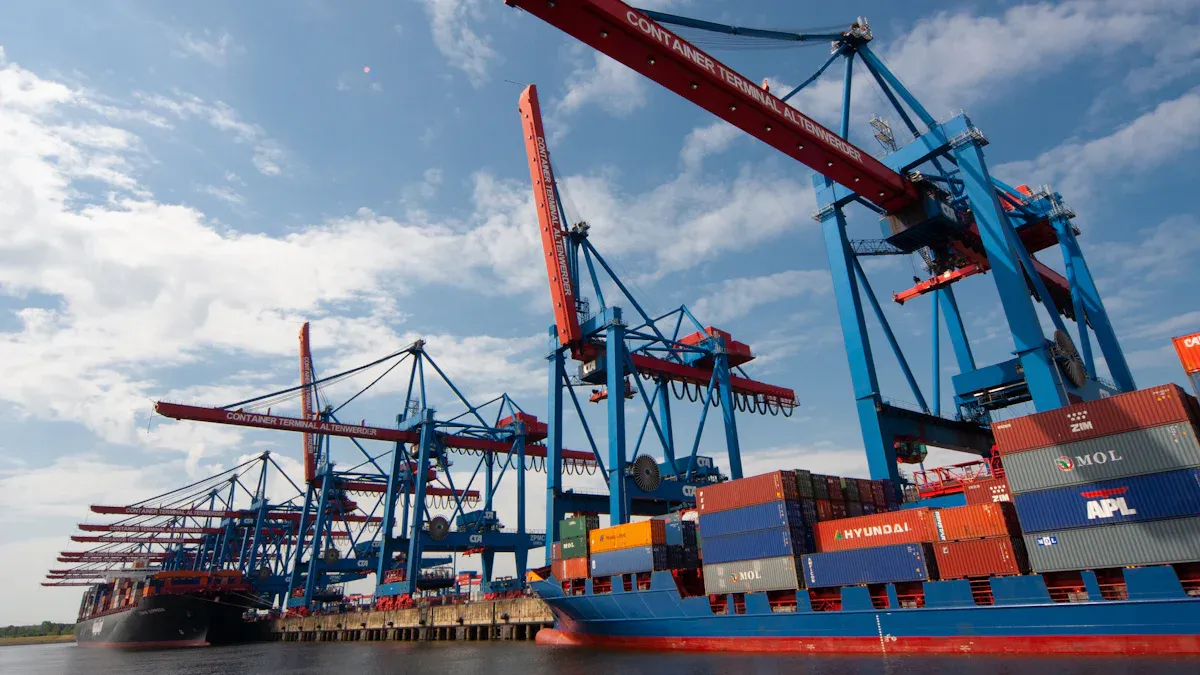
Freight forwarding career opportunities are expanding as global logistics continues to grow. You can start with entry-level positions such as Import Coordinator or Customs Clerk. From there, you can advance to roles like Operations Director or Head of Customs Brokerage. The industry is projected to be worth more than USD 216 billion in 2024. There are various jobs available in supply chain management, compliance, and sales. Strong communication skills and attention to detail are essential. Additionally, you must be prepared to learn new regulations and technologies.
Key Takeaways
Freight forwarding has many job choices. You can start as an Import Coordinator. You can move up to jobs like Operations Director.
Good communication and problem-solving skills are very important. These skills help you work well with others. They also help you fix problems.
Getting certifications like CIFFA or CCS can help you get better jobs. These show you care about working in freight forwarding.
It is important to learn about new trends and technology. This helps you keep up and do well in this fast-changing field.
Meeting people and learning new things can help you find new jobs. These can also help you move up in your freight forwarding career.
Freight Forwarding Career Opportunities Overview
What Is Freight Forwarding
You might wonder why freight forwarding is so important in logistics. Freight forwarding means planning how goods move from one place to another. You work with different ways to transport things, like air, ocean, rail, and road. You help companies send products to other countries. You handle paperwork, help with customs, and set up schedules. There are jobs in freight forwarding because companies need people who can make shipping easier.
You make shipping simple by working with shippers, carriers, and customs. You make sure goods move quickly and follow the law. You use your skills to fix problems and stop delays. You help companies save money by finding good prices and smart routes. You also help with insurance and plan for problems. Your knowledge of rules keeps shipments moving and avoids trouble.
Tip: If you want a job in logistics, learning about freight forwarding is a great start for many careers.
Role In Global Logistics
Freight forwarding helps the logistics industry by making trade between countries smooth and fast. You help companies deal with rules and changes in laws. You make logistics better by linking transport types and cutting down travel time. You help things get delivered faster and cheaper by using your worldwide network.
The logistics industry is changing fast. Online shopping has made more people need freight forwarding. There are more small orders, and they happen more often. This makes it harder to find space for cargo and deliver to homes. Airlines now have special cargo flights for online orders. Companies use new machines and tracking tools to give customers quick delivery.
Evidence Type | Description |
|---|---|
Delivery Expectations | Customers want their packages faster, usually in 2-3 days. |
Market Shift | More small orders happen more often because of B2C shipping. |
Capacity Pressure | There is more need for cargo space and home delivery. |
You help businesses do well in world markets. Freight forwarding jobs keep growing as logistics changes and new trends appear.
Key Roles And Career Paths In Freight Forwarding

Freight forwarding has many jobs in logistics and transportation. You can start with beginner jobs and move up to specialist, sales, project, or manager roles. Each job helps you learn skills for supply chain management and shipping to other countries.
Entry-Level Positions In Logistics
You can begin with jobs like Freight Forwarding Clerk or Logistics Coordinator. These jobs teach you the basics of freight and transportation. You learn to manage shipments, handle papers, and work with teams.
Here is a table that shows what you do and what you need for entry-level jobs:
Responsibilities | Qualifications |
|---|---|
Set up pickup and delivery times | High school diploma is usually enough |
Fix shipment delays and problems | Know some business or logistics ideas |
Keep records of shipments | Certifications like CLA, CSCP, or CLTD help |
Help with inventory management | Experience in customer service or data entry helps |
Watch performance numbers | Skills in Microsoft Office, especially Excel, matter |
You get experience by working with shipments and solving problems. Entry-level jobs help you learn how freight moves and how forwarding works. You build a base for future jobs in supply chain management.
Tip: Beginner jobs let you learn fast and show your skills. You can move up by taking more responsibility and learning new systems.
Specialist And Operational Roles
After you get experience, you can move to specialist and operational jobs. These jobs need more knowledge about logistics and transportation. You work with import and export shipments, handle risks, and use digital tools.
Here is a table with specialist jobs and the skills you need:
Specialized Roles | In-Demand Skills |
|---|---|
Import Coordinator | Problem-solving, Adaptability |
Export Coordinator | Digital Literacy, Risk Analysis |
Air & Ocean Sales Executive | Data-driven Decision-making |
Domestic Business Development Manager | Problem-solving, Adaptability |
Branch Manager | Industry Awareness, Continuous Learning |
Operations Manager | Risk Analysis, Adaptability |
You might work as a logistics analyst or international logistics coordinator. These jobs need you to look at shipping data, find better routes, and help supply chain management. You use technology to track shipments and fix problems fast.
Sales, Brokerage, And Account Management
Sales, brokerage, and account management jobs help build relationships and grow business. You connect shippers with carriers, talk about prices, and manage customer accounts. These jobs need good communication and problem-solving skills.
Here is a table with what you do and what you need for these jobs:
Responsibilities | Qualifications |
|---|---|
Grow FTL business in North America | Entrepreneurial attitude, confident personality |
Find and secure freight, carriers, and customers | Ability to build long relationships |
Look for leads to build a pipeline | Must have strong problem solving skills |
Manage accounts to keep relationships | Must be adaptable to client needs |
Handle price and service talks | Good follow-up skills |
Find business chances for company services | Know customer products and services well |
Make quotes and sales proposals | Want a fast-paced work environment |
Create new sales revenue alone | High initiative and energy |
Meet or beat goals often | Computer skills |
You might work as a freight broker, sales executive, or account manager. These jobs help you learn to negotiate and understand different ways to transport goods. You help clients find the best logistics solutions.
Project Cargo And Supply Chain Analysis
Project cargo and supply chain analysis jobs need advanced skills in logistics and transportation. You handle big, heavy, or expensive shipments. You plan routes, set up equipment, and solve tough shipping problems.
As a project cargo specialist, you work with engineering teams and use your knowledge of international shipping. You might also be a logistics analyst who looks at data and performance numbers. These jobs help companies make supply chain management better and save money.
Note: Project cargo jobs often need special training and experience with different types of transportation. You need strong analytical skills and must pay attention to details.
Management And Leadership Tracks
You can move up to management and leadership jobs after you get experience in logistics and forwarding. These jobs include operations manager, branch manager, and director of supply chain management. You lead teams, set goals, and make big decisions.
Career growth often follows these steps:
Learn the skills that help you move up in logistics.
Volunteer for chances that help you get noticed and show initiative.
You might start as a dispatcher or capacity coordinator. You build communication skills and learn about different jobs. Volunteering for cross-training helps you learn many roles. Hands-on experience and management training help you get ready for leadership.
Tip: Show initiative and fix problems to move from beginner to manager. Networking and always learning help you grow your career.
You can pick from many career paths in freight forwarding. Each job gives you new challenges and chances in logistics, transportation, and supply chain management. You build skills and move up by learning, adapting, and taking on new tasks.
Essential Skills For Logistics Professionals

Technical And Regulatory Knowledge
You need to know rules and technology to do well in logistics. These skills help you run shipping and stop mistakes. You must learn about laws, tariffs, and customs steps. You also need to use logistics systems and handle data. Employers want these skills because they keep shipments moving and stop delays.
Negotiation helps you work with suppliers and partners.
Legal knowledge keeps you following the rules.
Project management lets you watch over logistics jobs.
Information technology helps you use systems and data.
Communication And Negotiation
Communication and negotiation are very important in freight forwarding. You talk with shippers, carriers, and customs officials every day. Good communication helps you fix problems and build trust. Negotiation helps you get better prices and services for your company. A Harvard Business Review survey says 97% of workers think negotiation is key for success. Employers also say speaking and writing are top skills for new workers.
Digital Literacy And Data Analysis
Digital literacy is needed in logistics now. You use digital tools to track shipments and study data. Platforms like myCEVA, Flexport, sennder, Saloodo, and Beacon help you manage freight and make smart choices. You need to learn these systems to stay ahead. Data analysis helps you find patterns, make better routes, and save money.
Problem-Solving And Attention To Detail
Problem-solving helps you fix issues fast in logistics. You must look at delivery places, traffic, and driver plans to make good routes. You need to spot problems early and make backup plans. Attention to detail helps you catch mistakes in shipping papers and avoid fines. You also check costs and performance to find ways to save.
You fix problems quickly, like finding new vehicles if one breaks.
You make backup plans to lower risks.
You check transportation costs and numbers to work better.
Risk Management And Compliance
Risk management and compliance keep your company safe from losses. You must follow many changing rules in each country. You need to keep documents correct and current. Hard supply chains, politics, and weather can mess up shipping. You must watch customs rules and security risks to keep freight safe.
Risk Management Challenges | Compliance Challenges |
|---|---|
Many different rules | |
Environmental disruptors | Changing regulations |
Port congestion | Correct paperwork |
Security threats | Tariff classification |
Complex supply chains | Customs procedures |
You need these skills to keep logistics working well and avoid trouble.
Tip: Learning these skills helps you handle changes and grow your career in freight forwarding.
Career Advancement In Freight Forwarding
Progression From Entry-Level To Management
You can grow your career in freight forwarding by taking clear steps. Most people begin with entry-level jobs like logistics coordinator or master scheduler. These jobs teach you the basics of shipping and moving freight. When you get more experience, you can move to higher jobs.
Here is a usual path for moving up in logistics and forwarding:
Start as a logistics manager for trucking, rail, or less-than-truckload.
Move up to a distribution manager job.
Become a director of distribution.
Get promoted to director of transportation.
Reach the vice president of transportation role.
Another way is to start as a logistics coordinator or master scheduler. You can then become a senior logistics manager or supply chain manager. With more experience, you may become director of supply chain or chief supply chain officer. These steps help you get to senior and management jobs, like director of freight forwarding.
Tip: Try new tasks and show leadership to move up faster in your freight forwarding career.
Specialization And Certification Options
Focusing on special areas in forwarding can help you find new career chances. You can choose customs brokerage, project cargo, or work as an e-commerce logistics specialist. Each area needs special skills and knowledge.
Getting certifications helps you stand out and move up in your career. Many courses are approved by the International Federation of Freight Forwarding Associations. These courses can help you earn a FIATA Diploma or the CIFFA Professional Freight Forwarder (PFF) title. Here are some important certifications for freight forwarding workers:
IATA/FIATA Diploma in Freight Forwarding
Certified Customs Specialist (CCS)
You can also get other certifications, such as:
Ocean Transportation Intermediary (OTI) License
Indirect Air Carrier (IAC) Certification
IATA Cargo Agency Accreditation
Authorized Economic Operator (AEO) Certification
Customs Trade Partnership Against Terrorism (CTPAT) Certification
Business Alliance for Secure Commerce (BASC) Certification
These certifications show you care about the industry and help you get higher jobs.
Professional Development And Networking
Professional development programs and networking events help you move up in your career. You can join groups like ASCM or CSCMP to meet leaders and learn new things. These events help you make friends who can help you find new jobs or partners.
Networking events let you share ideas and learn from others in logistics.
Certification programs and leadership training from groups like CSCMP help you build new skills.
Getting certifications from ASCM or CIPS shows you care about high standards in forwarding.
Note: Making a strong network and joining professional groups can help you find new jobs and keep up with changes in freight forwarding.
Industry Trends And Job Outlook
The freight forwarding industry is changing fast. Employers want specialists who know about compliance and digital operations. Companies need workers who can handle trade rules every day, not just in legal teams. There is also more need for people who can work with air, ocean, and road transport.
Trend Description | Key Insights |
|---|---|
Employers want candidates with expertise in compliance and digital operations | |
Demand for compliance-focused roles | Companies hire staff to manage trade regulations directly in operations |
Emphasis on cross-modal skills | Operators who can work across different transport modes are in demand |
Persistent labor shortages | Customs brokerage and air export roles face significant labor shortages |
Technology is changing freight forwarding jobs. Automation now does many hard or boring tasks, like using robots in warehouses. This lets you do more complex work and can help you get better jobs. You will need to learn how to use and fix automated systems, which gives you new career chances.
You will also see more need for faster shipping and better tracking. Customers want real-time updates and accurate tracking. Automation in paperwork and compliance helps lower mistakes and speed up work. As online shopping grows, more skilled freight workers are needed.
Tip: Keep learning about technology and trends to keep your skills ready for new jobs in freight forwarding.
Freight forwarding careers keep growing as the industry gets bigger. By getting experience, earning certifications, and making connections, you can reach senior and management jobs. You can also focus on areas like e-commerce logistics specialist or customs brokerage. The future looks good for people who want to move up in this field.
Tips For Starting And Growing Your Logistics Career
Job Search And Entry Strategies
You should make a good plan to start your freight forwarding career. Try different ways to look for jobs. Go to industry events and meet people who work in logistics. Use websites like LinkedIn, Indeed, and Freightnet to search for jobs. Some agencies help people find jobs in logistics. These steps help you learn about the freight industry. You also meet people who can help you.
Building Skills And Gaining Experience
You need to build skills and get experience to do well in freight forwarding. Start with jobs like Warehouse Associate or dispatcher. These jobs let you work with freight and learn by doing. You can join programs that pay you while you train. Focus on areas that are growing fast, like supply chain analytics, green logistics, and last-mile delivery. You can earn certifications to show what you know. Here is a table with certifications for beginners:
Certification Name | Provider | Best For | Description |
|---|---|---|---|
Certified Logistics Associate (CLA) | Manufacturing Skill Standards Council | People starting out or looking for entry-level jobs. | Teaches basic logistics, safety, quality, and supply chain. Employers like this credential for new workers. |
Lean Six Sigma Green Belt | Various (ASQ, IASSC, etc.) | Logistics workers who want to improve how things work. | Shows how to make work better and faster by finding and fixing problems. These skills help in logistics jobs. |
Keep learning new things to stay important in your job. You will get new skills and find more chances in freight forwarding.
Staying Current With Industry Trends
You need to know what is new in freight forwarding. Rules and technology change a lot. You can read news about the industry to get updates. Join groups to learn from experts. Watch for new rules about data and cyberattacks. Knowing what is happening helps you avoid mistakes and do better at work.
"The current regulatory environment in logistics feels like walking through a construction zone in New York City," says Sam Agyemang, vice president of business development and sales with ITF Group.
You can solve problems by making friends and learning from others. Keep learning and growing to do well in freight forwarding.
You can find lots of freight forwarding jobs in logistics. If you want to grow, work on your skills and get certifications. These steps will help you do well:
Always check your work carefully.
Learn rules for shipping between countries.
Talk clearly with others.
Use freight management software.
Benefit | Description |
|---|---|
Drive Profitability | Cut problems in the supply chain. |
Streamline Operations | Make moving goods and sharing info easier. |
Minimize Disruptions | Spot risks early and keep business running. |
Spend less on shipping and storing goods. | |
Enhance Customer Service | Deliver faster and make customers happy. |
Address Critical Skills Gaps | Learn about new tech and rules. |
You can move up to jobs like logistics manager, supply chain manager, or warehouse supervisor. Start learning now to build a strong career in freight forwarding.
FAQ
Why should you consider a career in freight forwarding?
This field has lots of job choices. It keeps growing every year. You get to help move goods all over the world. You solve real problems and learn skills you can use in many jobs.
Why do employers value certifications in freight forwarding?
Employers like certifications because they show you know the rules. Certifications prove you have the right skills for shipping. They also show you can follow important regulations.
Why is digital literacy important in logistics jobs?
Digital literacy lets you use tracking tools and manage shipments. You need these skills to keep up with new technology. They help you work faster and better in logistics jobs.
Why do you need strong communication skills in this industry?
You need good communication to work with clients and carriers. Clear talking helps you fix problems fast and avoid mistakes. It also helps you build trust with your partners.
Why does the freight forwarding industry keep growing?
Freight forwarding grows because global trade and e-commerce are bigger now. More companies need experts to handle shipments and follow new rules. They also need to deliver goods faster to customers everywhere.
See Also
Begin Your Freight Adventure with PGL's FTL Services
Discover PGL's Mastery in LTL and FTL Shipping
Maximize Savings with PGL's Nationwide FTL Shipping
