What Are the Main Career Paths in Logistics

You can find so many directions in logistics—from warehouse and inventory management to transportation, supply chain, brokerage, and sales. Every role matters, whether you start as a material mover or aim to lead a team. The logistics field keeps growing fast, with job opportunities expanding every year.
The sector expects 11% growth each year for the next three years.
Hand laborers and material movers can see 7% job growth from 2020 to 2030.
The global logistics market is set to grow at a 6.8% rate through 2030.
If you want to learn more about logistics career paths and salaries, think about your strengths and what excites you most in this industry.
Key Takeaways
Logistics offers diverse career paths, including operations, customer service, brokerage, and sales. Each path has unique roles and growth opportunities.
The logistics sector is growing rapidly, with an expected 11% job growth each year for the next three years. This means more job opportunities for you.
Starting in entry-level positions like warehouse associate or logistics coordinator can lead to higher roles, such as manager or director, with experience and training.
Essential skills for success in logistics include communication, problem-solving, and teamwork. These skills help you work well with others and handle challenges.
Earning certifications in logistics can boost your salary and improve your job prospects. Consider certifications like ASCM CLTD for better opportunities.
Main Sectors in Logistics
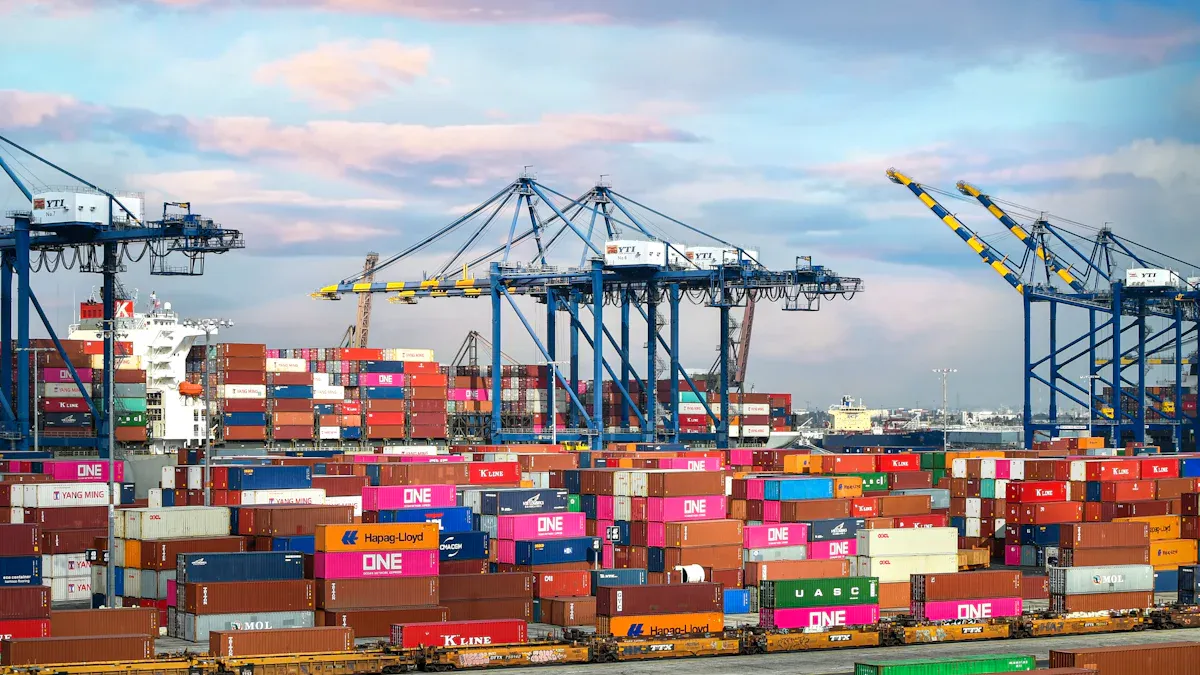
Logistics covers a lot of ground, but you can break it down into four main sectors. Each one has its own focus and career options. Let’s look at what you’ll find in each area and how you might fit in.
Operations
Operations is the heart of logistics. You’ll handle the movement and storage of goods. This includes inventory management, warehouse operations, and order processing. You might check stock levels, make sure products get shipped on time, or solve problems when things go wrong. If you like organizing, planning, and fixing issues, operations could be your spot.
Tip: Operations roles need strong communication, attention to detail, and problem-solving skills. You’ll also use logistics software to keep everything running smoothly.
Customer Service & Account Management
If you enjoy working with people, customer service and account management might interest you. You’ll help customers, answer questions, and solve problems. Account managers build relationships with clients, make sure they’re happy, and look for ways to help their business grow. You can start as a customer service rep and move up to account manager or even senior executive.
Typical duties:
Manage customer accounts
Track shipments
Find solutions for client needs
Brokerage & Customs
This sector deals with getting goods across borders. You’ll help companies follow laws and fill out paperwork for imports and exports. Customs brokers make sure shipments clear customs and meet all rules. You’ll need to know about international trade and regulations. Many jobs here require special licenses or certifications.
Job Title | Main Duties | Needed Skills/Qualifications |
|---|---|---|
Clear goods through customs, handle documents | Customs license, trade knowledge | |
Branch Manager | Oversee brokerage team, ensure compliance | 5+ years’ experience, leadership |
Sales
Sales keeps the business growing. You’ll find new customers, offer logistics solutions, and keep current clients happy. Sales roles need great communication and the ability to solve problems fast. You’ll work with other teams to make sure customers get what they need.
Logistics career paths and salaries often depend on which sector you choose. Each one offers different roles, from entry-level to management, so you can find a path that matches your strengths and interests.
Key Logistics Career Paths

You can find many directions in logistics. Each path has its own set of jobs, skills, and ways to move up. Let’s break down the main areas so you can see where you might fit best.
Warehouse & Inventory Management
If you like hands-on work and want to see how products move, warehouse and inventory management could be a great start. You’ll help keep goods organized, packed, and ready to ship. Many people begin in entry-level jobs and work their way up to leadership roles.
Here’s a look at common jobs, what they pay, and how you can move up:
Job Title | Average Salary (Hourly) | Role Description | Skills Required | Career Path Progression |
|---|---|---|---|---|
Picker Packer | $16 – $18 | Pick and pack products for shipment | Attention to detail, time management | Material Handler, Assembler |
Assembler | $17 – $20 | Put together product parts and check quality | Quality control, problem-solving | Material Handler, Machine Operator |
Material Handler | $17 – $20 | Move and prepare items for shipping | Physical strength, organization | Forklift Operator, Machine Operator |
Machine Operator | $18 – $22 | Run and maintain warehouse machines | Technical skills, machinery operation | Warehouse Lead, specialized machine roles |
Forklift Operator | $18 – $22 | Use forklifts to load and organize shipments | Equipment handling, spatial awareness | Warehouse Lead, Warehouse Supervisor |
Inventory Clerk | $17 – $21 | Track and manage inventory levels | Data entry, attention to detail | Inventory Specialist, Warehouse Lead |
Warehouse Lead | $20 – $25 | Oversee daily warehouse tasks and team safety | Leadership, communication | Warehouse Supervisor, Operations Coord. |
Warehouse Supervisor | $25 – $35 | Manage staff, inventory, and shipping | Team management, planning | Operations Manager |
Logistics Manager | $30 – $45 | Oversee movement, storage, and distribution of goods | Supply chain management, planning | Senior Logistics Manager, Director |
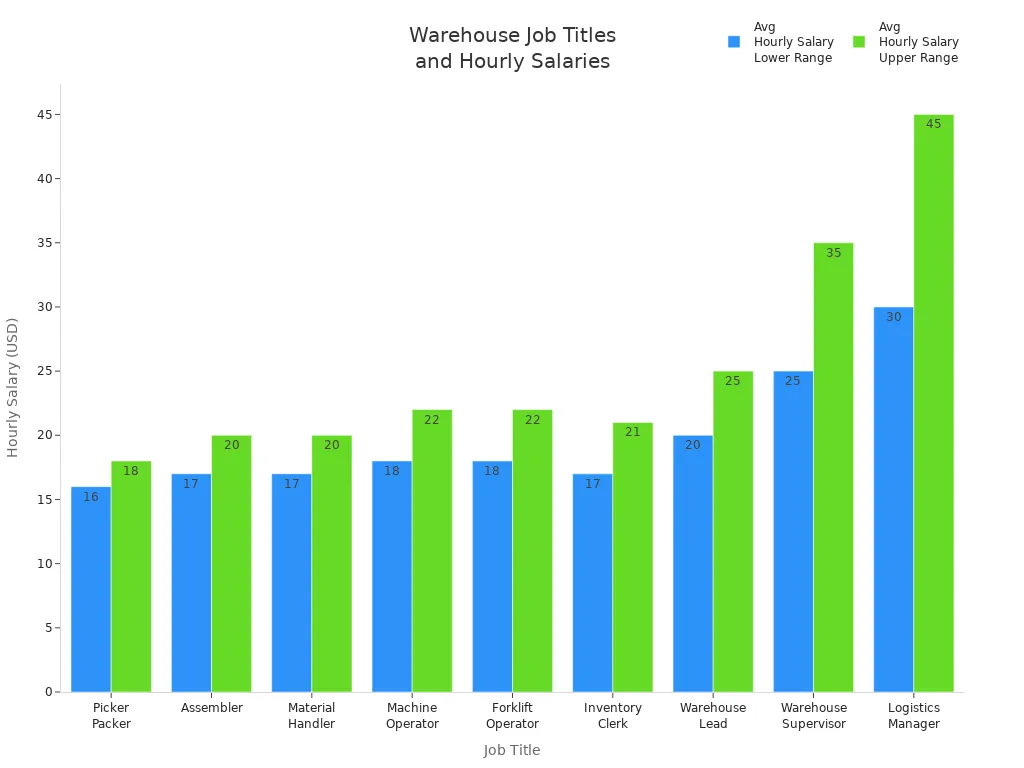
Tip: You can start as a picker packer or material handler. With experience, you can move up to supervisor or manager roles. Many companies offer training to help you grow.
Transportation & Fleet Management
Do you like planning routes or working with vehicles? Transportation and fleet management might be your thing. You’ll make sure shipments get to the right place on time. You’ll also help manage drivers and keep trucks or vans in good shape.
Here are some common roles and what they do:
Job Title | Description |
|---|---|
Transportation Coordinator | Plan shipments and schedules, work with different carriers |
Logistics Analyst | Use data to solve transportation problems |
Fleet Manager | Manage vehicles, drivers, and costs |
You can start as a shipping clerk or transportation coordinator. As you gain experience, you might become a fleet manager or logistics analyst. Here’s a quick look at salaries and education:
Job Title | Median Salary | Required Education |
|---|---|---|
Transportation Coordinator | $43,806 | High school diploma or equivalent |
Account Manager | $53,276 | Bachelor’s degree |
Shipping Clerk | $35,156 | High school diploma or equivalent |
Note: Many companies look for people who can solve problems and work with teams. If you like fast-paced work, this path can be exciting.
Supply Chain Management
Supply chain management is all about the big picture. You’ll help plan, buy, and move products from suppliers to customers. This area has many jobs, from entry-level to top leadership.
Here are some key roles and what they do:
Job Title | Responsibilities |
|---|---|
Purchasing Manager | Buy supplies, manage suppliers, and set requirements |
Logistics Manager | Oversee logistics operations, build delivery routes, process shipments |
Operations Manager | Improve production, manage teams, and boost employee engagement |
Senior Manager of Demand Planning | Plan inventory, analyze needs, and work with suppliers |
Supply Chain Director | Lead teams and make sure supply chain plans fit the company’s goals |
You might start as a buyer or logistics coordinator. With more experience, you can become a manager or even a director. Some people reach top jobs like Director of Supply Chain Operations or Chief Supply Chain Officer. These roles need strong leadership and planning skills.
Director of Supply Chain Operations: Makes big decisions for the whole supply chain.
Chief Supply Chain Officer: Runs all supply chain operations.
Global Logistics Manager: Handles supply chain needs around the world.
If you enjoy solving puzzles and thinking ahead, supply chain management could be a great fit.
Sales & Customer Service Roles
Sales and customer service keep logistics companies running. You’ll talk to customers, solve problems, and help them find the best shipping solutions. You can start in entry-level jobs and move up to account manager or sales director.
Common roles include:
Customer Service Representative: Help customers with orders and questions.
Account Manager: Build relationships with clients and make sure they’re happy.
Sales Executive: Find new customers and offer logistics solutions.
Senior Sales Manager: Lead sales teams and set goals.
You’ll need strong communication and people skills. If you like helping others and working in a team, this path can be rewarding.
Many people start in customer service and move up to sales or account management. You can grow your career by learning about logistics and building strong client relationships.
No matter which path you choose, logistics career paths and salaries can change based on your experience, education, and the company you work for. You can start in an entry-level job and work your way up to management or even executive roles. The field offers many chances to learn and grow.
Logistics Career Paths and Salaries
You might wonder how much you can earn in logistics. Salaries can change a lot based on your role, where you live, and how much experience you have. Let’s break down what you can expect at different stages of your career.
Entry-Level Salaries
When you start out, you can find a wide range of pay. Here are some common entry-level jobs and their average salaries:
Dispatcher: Average salary is $208,786 per year in San Jose, CA.
Logistics Coordinator: Average salary is $76,514 per year.
Salaries can look very different depending on your location. Check out this table to see how entry-level pay compares around the world:
Region/Country | Average Salary (USD) | Lowest Salary (USD) | Highest Salary (USD) |
|---|---|---|---|
Schengen Area | $67,500 | $16,600 (Portugal) | $120,000 (Switzerland) |
South America | N/A | $17,500 (Argentina) | $80,000 (Chile) |
North America | N/A | $57,000 (Canada) | $70,000 (US) |
Asia | N/A | $11,000 (India) | $73,000 (China) |
Middle East | N/A | $49,000 (UAE) | $59,000 (Qatar) |
Australia | $71,500 | N/A | N/A |
Tip: Your starting salary can depend on your city, the company, and your education. Some places pay much more than others.
Mid-Level and Management Salaries
As you move up, your pay can grow a lot. Here’s a look at what you might earn as you gain experience:
Experience Level | Salary Range |
|---|---|
Entry Level (0-2 years) | $45,000 - $65,000 |
Mid-Level (3-7 years) | $65,000 - $90,000 |
Senior Level (8+ years) | $90,000 - $120,000+ |
Director Level (10+ years) | $120,000 - $180,000+ |
The average salary for supply chain managers is between $44,440 and $119,950. Most earn about $74,600 each year, but some make even more—up to $81,426 or higher.
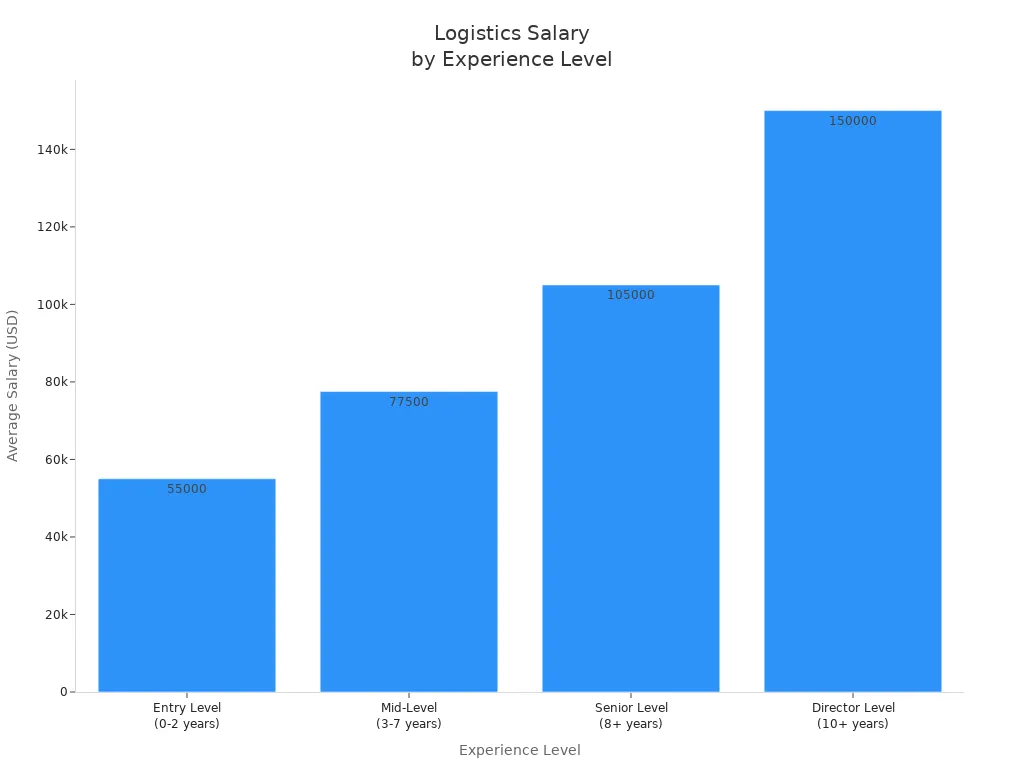
Many things can affect your pay in logistics career paths and salaries. Experience matters a lot. Education and special skills can help you earn more. The industry you choose—like tech, retail, or manufacturing—can also make a big difference.
If you want to boost your salary, keep learning and look for chances to move up. The more you know, the more you can earn in logistics career paths and salaries.
Qualifications and Skills
Education & Certifications
You don’t need a one-size-fits-all degree to start in logistics. Many people begin with a high school diploma, but having a college degree can open more doors. Employers value degrees that match the work you want to do. Here’s a quick look at the most common degrees in logistics:
Degree Type | Description |
|---|---|
Sales and Marketing Degrees | Great for sales and customer service roles in logistics. |
General Business Degree | Versatile and fits many logistics jobs, including operations. |
Mechanical Degrees | Useful for fleet maintenance and technical roles. |
You’ll also see these popular bachelor’s degrees in logistics:
Bachelor of Science in Logistics and Supply Chain Management
Bachelor of Business Administration in Logistics
Bachelor of Science in Industrial Engineering
Certifications can give you an edge and help you earn more. Some of the most respected certifications include:
Certification Name | Description | Salary Impact |
|---|---|---|
ASCM CLTD | Focuses on logistics, transportation, and distribution. | |
ASCM CPIM | Covers production and inventory management. | N/A |
ASCM CSCP | Validates supply chain management knowledge. | N/A |
Six Sigma Black Belt | Emphasizes process improvement. | N/A |
ISM CPSM | Focuses on procurement and supply management. | N/A |
Tip: Earning a certification like the ASCM CLTD can boost your salary and show employers you’re serious about your career.
Essential Skills
You need more than a degree to succeed in logistics. Employers look for people with the right mix of technical and soft skills. Here are some of the most important:
Effective communication helps you share information clearly.
Teamwork and collaboration keep things running smoothly.
Adaptability lets you handle changes and surprises.
You’ll also use technical skills every day. Check out this table:
Technical Skill | What It Means |
|---|---|
Digital Proficiency | Using digital tools and technology in logistics. |
Problem-Solving | Finding solutions when things go wrong. |
Data Analysis | Reading and understanding data to improve operations. |
Project Management | Planning and finishing logistics projects on time. |
Many companies now focus on skills-based hiring. They want to see what you can do, not just what’s on your diploma. Employers often use a skills matrix to match your abilities to the job. If you show you have the right skills, you’ll stand out in the hiring process.
Advancement and Work Environment
Career Progression
You can start your logistics career in an entry-level role and move up as you gain experience. Many people begin as warehouse associates or logistics coordinators. Employers encourage you to grow and take on more responsibility. Here’s how your career path might look:
Entry-Level: You might work as a logistics analyst or coordinator. You’ll handle daily shipping, track orders, and talk with vendors.
Mid-Level: With a few years of experience, you can become a transportation manager or warehouse manager. You’ll oversee teams, manage carriers, and help set company policies.
Specialization: Some people focus on areas like sustainability, hazardous materials, or analytics. You might use data to help your company make smart decisions.
Executive Level: After 10-15 years, you could reach roles like Director of Logistics or VP of Supply Chain. You’ll lead big projects and set company strategies.
Tip: If you want to move up, look for training, ask for new projects, and build your skills. High performers can reach management in 5-7 years.
Here’s a quick table to show how you can advance:
Career Level | Sample Job Titles | What You Do | What You Need |
|---|---|---|---|
Entry Level | Logistics Analyst, Coordinator | Manage shipments, analyze data, talk to vendors | Degree or experience, communication |
Mid-Level | Transportation Manager, Warehouse Manager | Oversee teams, manage carriers, set policies | Experience, problem-solving |
Executive Level | Director of Logistics, VP | Lead strategy, manage departments | Leadership, planning, lots of experience |
Work Settings & Challenges
You’ll find logistics jobs in many places. Warehouses are busy centers where you store and move goods. Offices give you a space to plan shipments and talk with customers. Some jobs put you in transportation hubs, where you help move products quickly.
Every setting has its own challenges. You might need to follow strict rules, keep costs low, or manage a team. Here are some common challenges you’ll face:
Challenge | What It Means |
|---|---|
Compliance with Regulations | You must follow government laws to avoid problems. |
Customer Service Expectations | Customers want updates and fast answers about their shipments. |
Transportation Cost Control | Rising fuel prices can make it hard to stay on budget. |
Workforce Management | You need to train staff and keep everyone working well together. |
Communication and Planning | Good planning helps you save time and money. |
You’ll also need to work with suppliers and partners. Clear standards help everyone do their best.
Regular planning helps you handle market changes and risks.
Note: Logistics can be fast-paced and sometimes stressful, but you’ll always find new ways to solve problems and help your team succeed.
You have many options in logistics, from warehouse supervisor to supply chain manager and logistics analyst. These careers exist in retail, manufacturing, and healthcare. The field keeps growing and offers strong job security and good pay.
You can move up from entry-level to director or VP roles.
New jobs like data analyst and e-commerce manager are popping up.
Opportunity | Why It Matters |
|---|---|
More jobs open every year | |
Salary Potential | Pay stays competitive |
Networking | Helps you find new opportunities |
Want to get started? Try joining industry groups, attending events, or checking out sites like Supply Chain Brain and LinkedIn Groups. Keep learning and connect with others—you’ll find your path in logistics!
FAQ
What entry-level job can I get in logistics?
You can start as a warehouse associate, picker packer, or logistics coordinator. These roles help you learn the basics and build experience fast.
Do I need a college degree for logistics jobs?
No, you don’t always need a degree. Many jobs only ask for a high school diploma. Some roles prefer a degree, but you can move up with experience and certifications.
How can I move up in my logistics career?
Show your skills, ask for new tasks, and keep learning. Many companies offer training. You can move from entry-level to manager in a few years.
What skills help me succeed in logistics?
Communication
Problem-solving
Teamwork
Organization
If you like solving problems and working with people, you’ll do well.
Is logistics a good career for the future?
Absolutely! Logistics keeps growing every year. You’ll find lots of job options, steady pay, and chances to advance.
See Also
Key Strategies for Effective Global Logistics Operations
PGL's Knowledge in Global Logistics and Supply Chain
Comprehensive Overview of East Coast B2B Logistics Services
The Impact of Point-to-Point Logistics on Global Efficiency
Selecting LTL, FTL, or Drayage for Your Trucking Requirements
