What Do Common Logistics and Packaging Symbols Mean
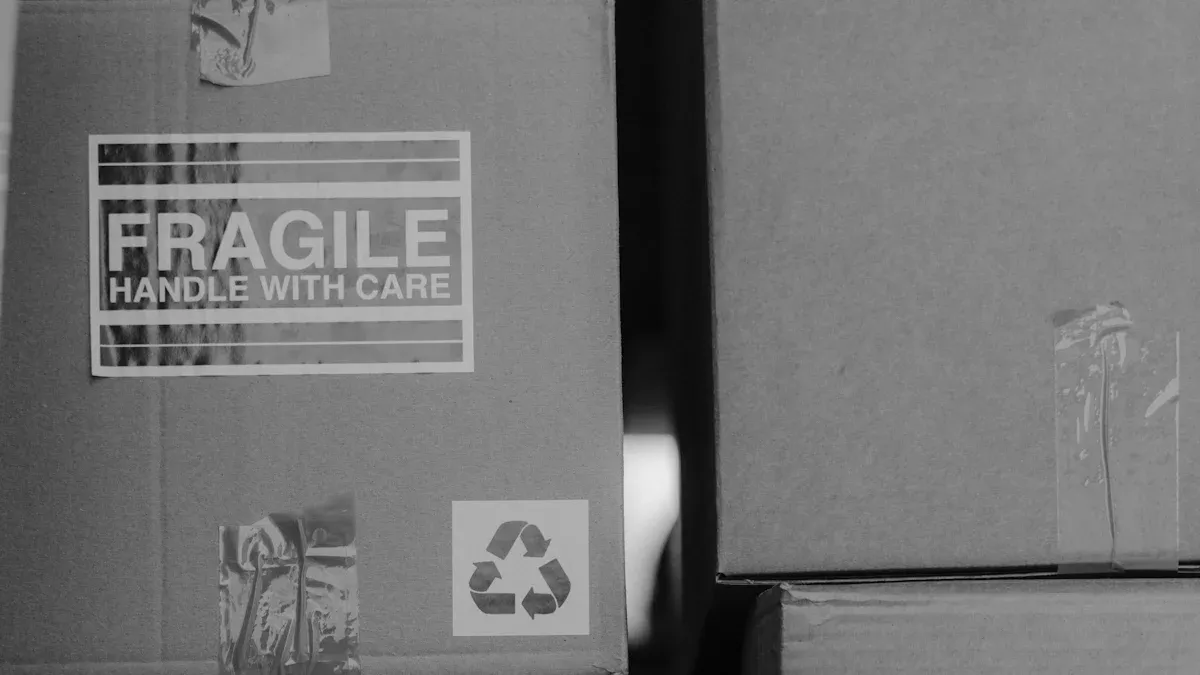
Logistics and packaging symbols are simple images or icons you see on boxes and packages. You use them to understand the meaning and usage of logistics symbols in your daily work. These symbols give you clear instructions on how to handle, move, and store products safely. Over 90% of global shipments rely on standardized symbols to meet safety and compliance rules. When you follow these symbols, you help prevent mistakes and keep products in good shape.
Symbol Purpose | How It Reduces Shipping Errors |
|---|---|
Prevents damage and keeps items safe | |
International symbols | Makes sure everyone understands, even in global trade |
Fragile symbol | Reminds you to handle with care |
Practical use | Helps everyone from manufacturers to consumers protect products |
Paying attention to these symbols helps you avoid costly damage, follow the law, and support sustainability.
Key Takeaways
Logistics symbols provide clear instructions for handling, moving, and storing products safely.
Understanding these symbols helps prevent damage, ensures compliance, and supports sustainability.
Pay attention to protection, handling, safety, and recycling symbols to avoid mistakes and improve safety.
Always check for both symbols and any nearby text to ensure correct interpretation.
Stay updated on new symbols and use guides to enhance your understanding and application.
Types of Logistics and Packaging Symbols
When you look at packages, you see many symbols. These symbols fall into four main categories. Each category helps you understand how to handle, store, and recycle products safely and responsibly.
Protection Symbols
Protection symbols warn you about the special care a package needs. You often see a glass icon for fragile items. An umbrella with raindrops means you should keep the package dry. Two hands around a box tell you to handle with care. Arrows pointing up show you the correct way to store the box. Some packages have a knife with a cross, warning you not to open them with sharp objects. Other symbols tell you not to drop the package or keep it away from magnets. These symbols help you prevent damage and keep products safe.
Fragile (glass): Handle with extra care.
Keep dry: Protect from moisture.
Handle with care: Use gentle handling.
This way up: Store in the right direction.
Do not open with knife: Avoid sharp objects.
Do not drop: Prevent falls.
Handling Symbols
Handling symbols guide you on how to move and lift packages. You may see icons that show the maximum stacking height or warn you not to stack boxes. Some symbols tell you the package weight or show which side is heavier. If a package needs two people to lift, you will see a special symbol. These signs help you avoid injuries and make your work safer.
Tip: Always check handling symbols before moving heavy or large packages.
Safety and Compliance Symbols
Safety and compliance symbols keep you and others safe. You might see a “Keep Upright” symbol or a “Temperature-Sensitive” icon. Hazardous materials have special warning signs. These symbols help companies follow laws and protect workers. Safety signs also remind you to use personal protective equipment (PPE) and stay alert to dangers.
Type of Signage | Impact on Safety and Efficiency |
|---|---|
Load Capacity Signs | Prevent overloading and reduce injury risk |
Hazard Warning Signs | Alert you to dangers and promote caution |
PPE Signs | Remind you to wear safety gear |
Recycling Symbols
Recycling symbols show you how to dispose of packaging responsibly. The Mobius Loop means the package can be recycled. The Green Dot shows the company supports recycling programs. You may see codes for different plastics, like PETE or HDPE, which tell you if the material is recyclable. These symbols encourage you to recycle and help protect the environment.
Recycling Symbol | Description |
|---|---|
Mobius Loop | Package can be recycled |
Green Dot | Producer supports recycling programs |
Corrugated Recycles | Corrugated material is recyclable |
PETE, HDPE, PP | Types of plastics that are usually recyclable |
You see these symbols everywhere because they use simple images that everyone can understand. When you pay attention to them, you help keep products safe, follow rules, and support a cleaner planet.
Meaning and Usage of Logistics Symbols
Understanding the meaning and usage of logistics symbols helps you work safely and efficiently. These symbols give you quick information about how to handle, store, and move packages. When you know what each symbol means, you can avoid mistakes and keep products in good condition.
How to Interpret Symbols
You can follow a few simple steps to read and understand the meaning and usage of logistics symbols:
Learn the most common symbols. For example, a glass means fragile, arrows show which way is up, and the Mobius Loop means recyclable.
Check the context. Some symbols change meaning based on the product or industry.
Look for extra text. Sometimes, you will see words next to the symbol that explain more.
Compare similar symbols. Make sure you do not mix up symbols that look alike but mean different things.
Tip: Always check for both the symbol and any nearby text. This helps you avoid confusion.
Here are some common symbols you might see:
Fragile Symbol: Shows that the item can break easily.
Keep Dry Symbol: Tells you to keep the package away from water.
Handle With Care Symbol: Reminds you to move the package gently.
This Way Up Symbol: Shows the correct upright position.
Do Not Open With Knife Symbol: Warns you not to use sharp objects.
You can find guides and resources online or in your workplace that explain the meaning and usage of logistics symbols. These guides help you make safe choices and follow rules, especially when you ship items to other countries.
Common Mistakes
Many people make mistakes when reading logistics symbols. You can avoid these errors by paying close attention. Here are some common mistakes:
Mixing up similar symbols, such as confusing the "fragile" symbol with "handle with care."
Ignoring the context, which can lead to using the wrong handling method.
Overlooking extra instructions written near the symbol.
Not updating your knowledge when new symbols appear.
Description | |
|---|---|
Effective Communication | Helps everyone understand the same message. |
Consistency in Documentation | Keeps instructions clear and uniform. |
Enhanced Collaboration | Makes teamwork easier and safer. |
You should also know that technology can help reduce mistakes. For example, AI-powered OCR tools can read and check labels for you. These tools make sure every package has the right symbol, even if the label is hard to read.
Practical Tips
You can improve your understanding and use of logistics symbols with a few practical steps:
Know why each symbol is important. Each one tells you about safety, compliance, or recycling.
Use standard symbols. This makes it easier for everyone to understand.
Make sure symbols are clear and easy to see. If they are too small or blurry, people might miss them.
Place symbols where people will notice them first.
Test new symbols before using them everywhere. Ask others if they understand what the symbol means.
Keep your symbols consistent with your company’s brand, but do not change their meaning.
Stay updated with new technology. Tools like label recognizers can help you check symbols quickly and accurately.
Note: When you follow these tips, you help your team avoid mistakes and keep products safe.
The meaning and usage of logistics symbols play a big role in your daily work. When you pay attention to these symbols, you support safety, follow the law, and protect the environment. You also help your company work faster and with fewer errors.
Why Logistics Symbols Matter
Safety and Compliance
You rely on logistics symbols to keep your workplace safe and follow important rules. These symbols tell you how to handle packages, warn you about hazards, and help you avoid accidents. When you see a "Handle with Care" or "Fragile" symbol, you know to treat the package gently. A "Temperature-Sensitive" icon tells you to keep certain items cool or warm. Research shows that complete safety signs, not just symbols, help you understand instructions better and follow safety rules more closely. If you learn and recognize these signs, you help prevent workplace accidents and improve compliance.
Meaning | Usage | |
|---|---|---|
Keep Upright Symbol | Keep package upright | Used for liquids and fragile items |
Handle with Care | Be cautious | Used for glassware and electronics |
Fragile | Sensitive to impact | Used for ceramics and electronics |
Temperature-Sensitive | Control temperature | Used for food and medicine |
Hazardous Materials Symbols | Dangerous contents | Used for chemicals and fuels |
Recycle Symbol | Material is recyclable | Used for recyclable packaging |
Environmental Impact
You help protect the environment when you follow recycling and sustainability symbols. The "Recycle" symbol tells you that packaging can be reused or recycled. When you sort and dispose of materials correctly, you reduce waste and support a cleaner planet. Companies use these symbols to show their commitment to recycling programs. You play a key role in making sure packaging does not end up in landfills.
Tip: Always look for recycling symbols before throwing away packaging. You can make a difference by recycling properly.
Efficiency in Handling
Logistics symbols make your job easier and faster. You see clear icons that show how to stack, lift, or move packages. These symbols help you avoid mistakes and speed up your work. You use barcodes and QR codes to scan packages, which reduces human error and improves accuracy. Accurate labeling helps you manage inventory and track shipments from start to finish. When you follow these symbols, you help your team work smoothly and avoid costly returns caused by damaged goods.
Barcodes and QR codes automate data entry, making product handling faster and more precise.
Shipping marks help you trace shipments and identify packages quickly.
Clear labeling reduces shipping errors and boosts customer satisfaction.
You support safety, protect the environment, and improve efficiency every time you pay attention to logistics symbols.
You play a key role in safe and efficient shipping when you understand logistics and packaging symbols. These symbols follow international standards and help you meet local rules. Correct use builds trust and supports recycling. Training programs measure success by tracking safety, compliance, and efficiency. Stay alert to new symbols and keep learning.
Key Aspect | Description |
|---|---|
International Standards | Symbols ensure clear communication worldwide. |
Compliance Importance | Following symbols helps you avoid penalties and build trust. |
Environmental Awareness | Symbols guide you to recycle and protect the planet. |
FAQ

What does the “Fragile” symbol mean?
You see the “Fragile” symbol when an item can break easily. This symbol tells you to handle the package with extra care to prevent damage.
Why do packages have recycling symbols?
You find recycling symbols on packages to show you how to dispose of them responsibly. These symbols help you protect the environment by encouraging recycling.
How can you tell if a package contains hazardous materials?
You spot hazardous material symbols by looking for bold icons, like a skull or flame. These symbols warn you to use caution and follow safety rules.
What should you do if you do not understand a symbol?
Tip: Ask a supervisor or check your company’s symbol guide. You can also search online for symbol charts. Never guess the meaning.
See Also
Key Strategies for Effective Global Logistics Operations
Comprehensive Overview of East Coast B2B Logistics Services
Crucial LCL Shipping Steps for Exporting to Panama
Enhancing Global Efficiency Through Point-to-Point Logistics
Optimizing Import Warehousing and Delivery on the East Coast
