What is Project Cargo Shipping and How Does It Work

Project cargo shipping moves equipment that is too large, heavy, or complex for standard freight methods. You often see this in industries like oil and gas, construction, and energy, which rely on safe delivery of massive machinery. Most project cargo shipping uses several types of transport, such as ships, trucks, and trains, to handle these special loads. The project cargo shipping guide shows that 63% of project cargo shipments serve these three industries.
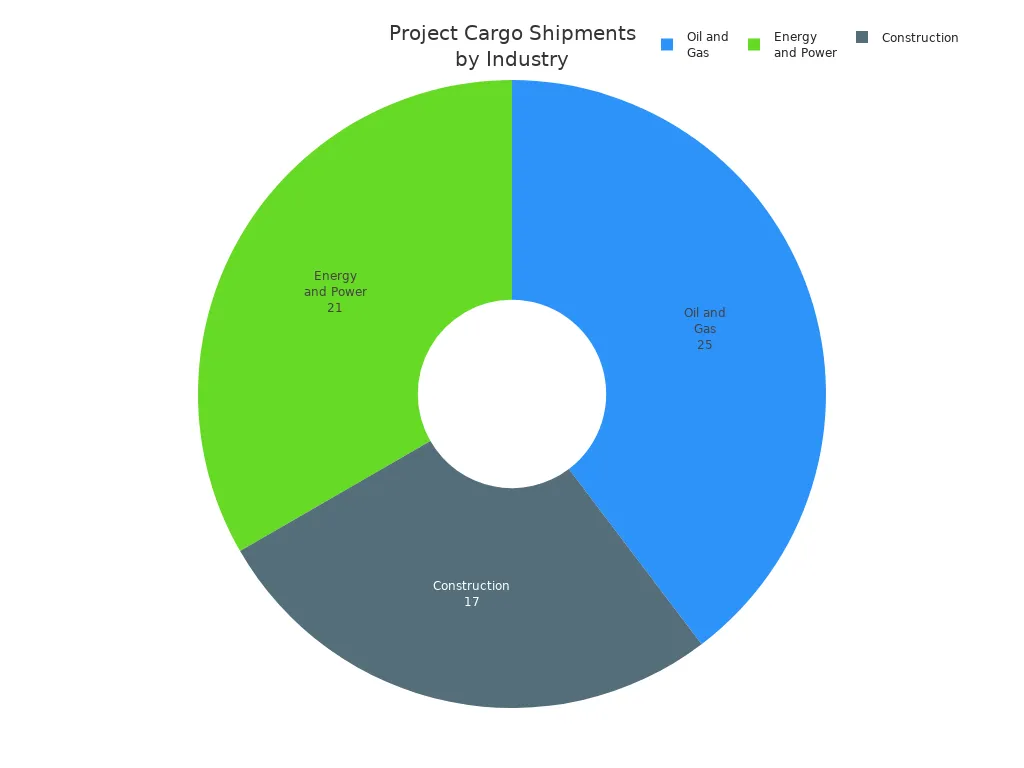
The global market for project cargo shipping reached USD 18,203.33 million in 2025.
It is expected to grow to USD 25,807.08 million by 2034, with a steady 4.5% annual growth rate.
Key Takeaways
Project cargo shipping is essential for moving oversized and complex items that standard freight cannot handle.
Effective planning and coordination are crucial for successful project cargo shipments, including route surveys and securing permits.
Using the right transport modes and specialized equipment ensures safe delivery of heavy machinery and large components.
Compliance with global trade regulations and proper documentation is necessary to avoid delays and fines during shipping.
Strong risk management practices protect your cargo and help you navigate challenges in the shipping process.
Project Cargo Shipping Guide
What Is Project Cargo
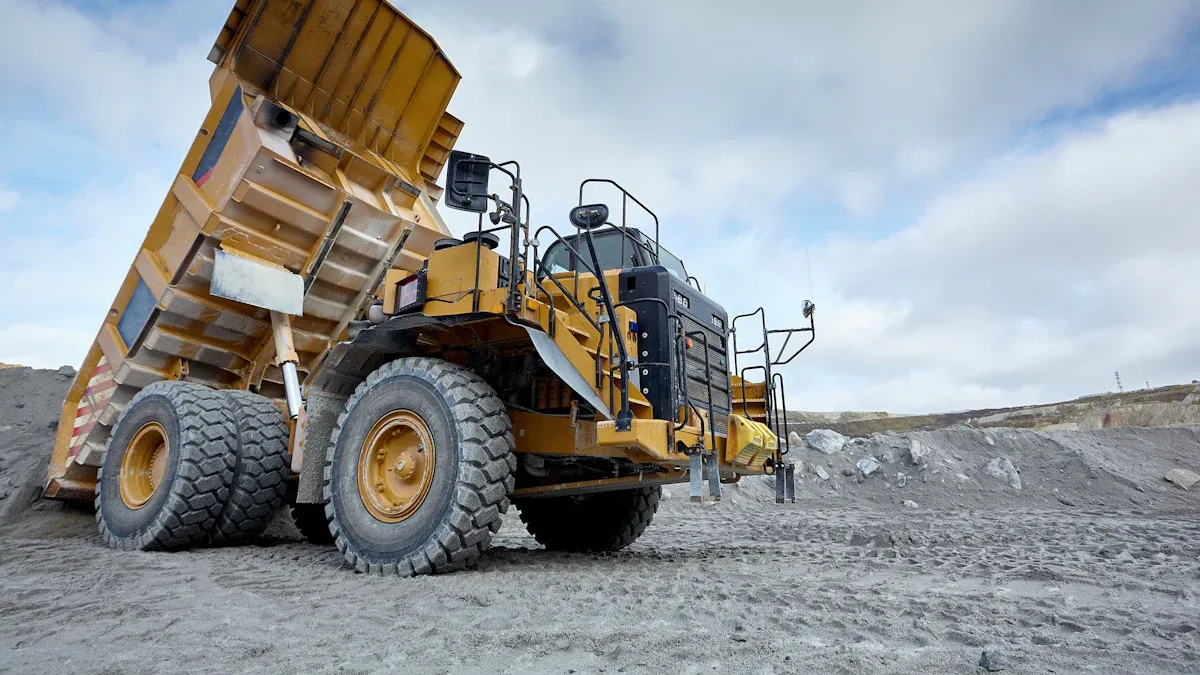
You often see project cargo when you need to move items that are too big, heavy, or complex for regular shipping. The project cargo shipping guide helps you understand that this type of cargo includes things like wind turbine blades, large tanks, cranes, and even small ships. These items do not fit into standard containers. Instead, you need special planning and equipment to move them safely.
Here are some common examples of project cargo:
Oil, gas, and petrochemical equipment such as heat exchangers, tanks, and drilling rigs
Renewable energy parts like wind turbine blades and solar panels
Construction equipment including cranes and jetty platforms
Floating cargo such as barges and small vessels
Heavy machinery like locomotive engines and mining equipment
You can see that project cargo shipping guide covers a wide range of equipment, each with its own needs.
Key Features and Challenges
Project cargo shipping stands out from standard freight because it deals with unique and difficult shipments. You must handle oversized and heavy items, which means you need special tools and skilled workers. The table below shows how project cargo management differs from regular container freight:
Criteria | Project Cargo Management | Container Freight Station (CFS) |
|---|---|---|
Scope and Purpose | Oversized, heavy, or complex cargo | Standard containerized shipments |
Handling Capacity | Specialized handling for large items | Smaller, containerized goods |
Documentation and Compliance | Extensive paperwork for unique cargo | Standard documentation |
Cost Implications | Higher costs due to special needs | More cost-effective |
Supply Chain Role | Key for large project execution | Supporting role |
You also face several challenges with project cargo. Roads, bridges, and tunnels may have size or weight limits. You need special equipment and trained teams for loading and unloading. Costs can be high because of transportation, storage, and insurance.
Challenge | Description |
|---|---|
Height, weight, and width limits on roads and bridges | |
Handling and Loading Requirements | Need for special equipment and skilled workers |
High Costs | Expenses for transport, storage, insurance, and customs |
The project cargo shipping guide helps you plan for these challenges so your cargo arrives safely and on time.
How Project Cargo Shipping Works
Project cargo shipping involves a series of steps that help you move large, heavy, or complex items safely from one place to another. You need careful planning, the right transport modes, strict compliance, and strong risk management. The project cargo shipping guide helps you understand each stage, so you can avoid delays and protect your valuable equipment.
Planning and Coordination
You start by defining the scope and requirements of your cargo. You must know the size, weight, and value of each item. Next, you choose the best transportation provider and mode of transport. You want a partner who understands the complexity of your shipment. Route planning comes next. You need to survey possible routes, apply for permits, and work with local authorities. Packaging and handling preparations are also important. You must use special packing and storage for sensitive or oversized cargo. Finally, you monitor the transport and communicate with everyone involved to make sure your cargo arrives on time.
Tip: Good planning helps you avoid costly mistakes and keeps your project on schedule.
Step-by-step process for project cargo shipping:
Define cargo scope and requirements.
Choose the right transport provider and mode.
Plan the route and secure permits.
Prepare packaging and handling.
Monitor transport and communicate with all parties.
Transport Modes and Execution
You use different transport modes based on your cargo and destination. Road transport leads the market, handling 36.5% of project cargo in 2024. It works well for short and medium distances. Sea transport is essential for international shipments. It offers cost savings and can carry very large items. Air transport is less common because of high costs and size limits, but you might use it for urgent deliveries. Multimodal transport combines two or more methods, giving you flexibility and efficiency for complex projects.
To move project cargo, you need specialized equipment. Heavy-duty cranes help you load and unload massive items. Self-propelled modular transporters (SPMTs) carry huge objects over land. Straddle carriers and gantry cranes move oversized containers at ports and rail yards. Forklifts, telehandlers, flat rack containers, and hydraulic jacks also play key roles in handling and securing your cargo.
Common transport modes:
Road transport
Sea transport
Air transport
Multimodal transport
Specialized equipment:
Heavy-duty cranes
SPMTs
Straddle carriers
Gantry cranes
Forklifts and telehandlers
Flat rack and open top containers
Hydraulic jacks and skates
Jib cranes
The project cargo shipping guide recommends using the right mix of transport modes and equipment for each shipment.
Compliance and Safety
You must follow strict rules when shipping project cargo. Global trade regulations control how you move goods across borders. These rules keep trade fair and safe. You need to file documents on time, classify goods correctly, and follow country-specific laws. You also need to keep up with changes in international trade rules and manage import duties.
Some shipments must follow special laws. For example, the Military Cargo Preference Act and Civilian Cargo Preference Act require you to use US-flag vessels for certain government cargo. If you ship hazardous or oversized materials, you must meet safety standards set by agencies like the Federal Motor Carrier Safety Administration (FMCSA) and the International Maritime Dangerous Goods (IMDG) Code. These standards require proper labeling, safety data sheets, and security plans.
Note: Missing a compliance step can lead to fines, delays, or even seizure of your cargo.
Risk Management
Project cargo shipping comes with many risks. You need strong risk management to protect your shipment and your business. Good documentation is key. You must have all legal papers, such as the Bill of Lading, Cargo Manifest, and Insurance Certificate. These documents help you clear customs and protect against losses.
You can reduce risks by planning in detail, tracking your cargo in real time, and choosing the right vessel. You should also work with reliable logistics providers for smooth coordination. Common risks include contract issues, gaps in insurance, and the challenges of managing high-value cargo.
Risk Type | How to Manage It |
|---|---|
Contract Risks | Review contracts carefully |
Sub-contractor Insurance | Check coverage for all partners |
High-Value Cargo | Use special handling and extra insurance |
Insurance costs for project cargo depend on the transport mode and cargo type. For example, sea freight insurance usually ranges from 0.1% to 0.5% of the cargo’s value. Air freight insurance can be higher, from 0.3% to 1%. You may pay more for heavy machinery or specialized equipment, but this protects you from major losses.
The project cargo shipping guide shows that careful risk management helps you deliver your cargo safely and on time.
Types of Project Cargo

Project cargo covers many types of large and complex shipments. You often see these in industries such as oil and gas, wind power, mining, construction, and power plants. You may need to move turbines, generators, machinery, or even military equipment. Each type of project cargo brings its own set of needs and challenges.
Oversized and Heavy Equipment
You will often handle oversized and heavy equipment in project cargo shipping. These items do not fit into standard containers. You might ship wind turbine blades, large generators, or construction cranes. These pieces can weigh several tons and stretch longer than a truck. You need special vehicles and lifting tools to move them safely. Many engineering and energy projects depend on this type of cargo.
Tip: Always check the size and weight of your equipment before planning your shipment. This helps you choose the right transport and avoid delays.
Disassembled Components
Sometimes, you cannot ship large machines in one piece. You must break them down into smaller parts. This is common for items like industrial presses, refinery columns, or power plant modules. You will pack each part carefully and label it for easy assembly at the destination. Disassembled components make it possible to move very large equipment through tight spaces or over long distances.
You may see disassembled project cargo in:
Aerospace projects
Petrochemical plants
Military and defense shipments
Non-Containerized Freight
Non-containerized freight includes cargo that will not fit inside a standard shipping container. You might ship machinery, turbines, or other odd-shaped items this way. These shipments need special handling and planning.
Challenge | Description |
|---|---|
You must check roads and bridges for size and weight limits. You also need special permits. | |
Packing and Securing Cargo | You use custom materials and methods to protect and secure your cargo during transport. |
Customs Clearance | You must follow complex customs rules to avoid delays. |
Risk Management and Insurance | You need a plan to protect your cargo from damage, theft, or delays. |
Project Management Expertise | You must manage every step and know logistics, engineering, and trade rules. |
Note: Non-containerized freight often faces more risks and rules than standard shipments. Careful planning keeps your cargo safe and on schedule.
Industries Using Project Cargo Shipping
Project cargo shipping supports many industries that need to move large, heavy, or complex items. You see the biggest demand in energy, manufacturing, and transportation. The table below shows examples of project cargo in these industries:
Industry | Examples of Cargo |
|---|---|
Energy | Wind turbine components, oil rigs |
Manufacturing | Large machinery |
Transportation | Locomotives, airplanes |
Oil and Gas
You rely on project cargo shipping if you work in oil and gas. This industry often needs to move very large and heavy equipment. You might ship oil tanks, gas tanks, or chemical tanks. Wind turbines also play a role as the industry shifts toward renewable energy. These items cannot fit in standard containers. You need special planning and equipment to move them safely.
Common types of project cargo in oil and gas:
Wind turbines
Project cargo shipping helps you keep your operations running by delivering the parts you need, even when they are oversized or hard to handle.
Construction and Engineering
You see project cargo shipping as a key part of big construction and engineering projects. You need to move cranes, bridge sections, or other large structures. Project cargo shipping gives you many services to make this possible. The table below lists some important services:
Service Type | Description |
|---|---|
Ship Chartering | Secure the right vessels for your project cargo. |
Vessel/Boat Loading | Expert handling and loading of cargo onto vessels. |
Multi-Modal Transportation | Use different transport modes for efficiency. |
Packing and Inspection | Pack and check cargo for safety. |
Warehousing/Bonded Storage | Store cargo safely until you need it. |
Route Surveys | Plan the best route for your shipment. |
Expediting | Speed up urgent shipments. |
Site Installation | Deliver and install materials at your site. |
Site Material Control | Manage materials at your project site. |
Rigging and Crane Movements | Lift heavy items safely. |
Transport Consultancy | Get expert advice on logistics. |
Cargo Air Charters | Use air transport for urgent needs. |
Marine Supply Base Management | Manage supply bases efficiently. |
Risk Assessment | Find and reduce risks in your project. |
Customs Formalities | Handle all customs paperwork. |
You can finish your projects on time and within budget when you use these services.
Energy and Mining
You depend on project cargo shipping in the energy and mining sectors. You need to move oversized and heavy machines for energy production and mining work. Companies like Atlantic Project Cargo help you deliver critical parts for power plants and mines. They handle route selection, packing, permits, and paperwork. This support helps you build new energy sites and expand renewable energy, such as hydroelectric power.
Project cargo shipping helps you:
Move heavy machinery for energy and mining
Deliver key parts for energy infrastructure
Support renewable energy projects with safe transport
Project cargo shipping gives you the tools and expertise to handle the toughest logistics challenges in these industries.
Role of Logistics Providers
Project Management
You depend on logistics providers to manage your project cargo from start to finish. They help you plan every detail and set clear goals for your shipment. You work with them to create a timeline and decide how to use resources wisely. Logistics providers also look for risks and find ways to avoid problems before they happen. They track progress and give you updates, so you always know how your project is going.
Cross-functional coordination
Risk management
Resource management
Performance monitoring and reporting
You see different project management methods in action. For example, the traditional Waterfall method works well for large, predictable projects. Agile frameworks help you adapt quickly when things change. Lean principles focus on using resources efficiently and cutting out waste.
Good project management helps you deliver your cargo safely, on time, and within budget.
Coordination and Communication
You need strong coordination to move project cargo. Logistics providers act as the main point of contact for everyone involved. They connect you with riggers, carriers, escorts, and government agencies. Each group has a special role in your shipment.
Stakeholder Type | Role in Coordination |
|---|---|
Riggers | Handle the physical loading and unloading of cargo. |
Inland Carriers | Transport cargo from the origin to the port. |
Roadway Escorts | Ensure safe transport on roads, especially for oversized cargo. |
Government Oversight | Provide necessary permits and regulatory compliance. |
Ocean Carriers | Manage the sea transport of cargo. |
Longshoremen | Load and unload cargo at ports. |
Port Authorities | Oversee port operations and logistics. |
You see that detailed route planning and risk assessments are key. Logistics providers coordinate across different transport modes to prevent delays. Effective communication keeps everyone informed and helps you avoid costly mistakes.
Delays at any stage can cause big problems, so clear communication is vital for success.
Technology and Tracking
You benefit from advanced technology when you ship project cargo. Real-time tracking gives you updates on your shipment’s location and condition. GPS and IoT sensors let you see where your cargo is at any moment. Automated alerts keep you and your partners informed about changes or delays.
IoT devices and GPS for real-time tracking
RFID tags for inventory and asset management
Blockchain for secure data exchange
Modern tools like VoIP systems make it easy to talk with your team and partners. Voyage Data Recording (VDR) systems help monitor performance and prevent accidents. Vessel Traffic Systems (VTS) keep marine shipments safe and efficient.
Technology gives you better visibility, reduces errors, and helps you make smart decisions during your project cargo shipment.
You see project cargo shipping as a solution for moving oversized and complex equipment. Careful planning and multi-modal transport help you deliver cargo safely. You rely on engineering expertise, constant communication, and specialized equipment.
You need route surveys and risk assessments for every shipment.
You work with reliable partners and understand customs rules.
You use climate-controlled trucks and digital tools for sensitive cargo.
Project cargo shipping gives you the tools to handle tough logistics and ensures your equipment arrives on time.
FAQ
What makes project cargo shipping different from regular shipping?
You move items that are too big or heavy for standard containers. You need special planning, equipment, and transport modes. Regular shipping uses standard boxes and routes.
How do you prepare for a project cargo shipment?
You start by measuring your cargo. You plan the route and get permits. You choose the right transport and packing. You work with experts to avoid problems.
What documents do you need for project cargo shipping?
You need a Bill of Lading, Cargo Manifest, and Insurance Certificate. You may also need permits and customs papers. These documents help you clear borders and protect your cargo.
Can you track your project cargo during transport?
Yes. You use GPS and IoT devices to track your shipment. You get real-time updates on location and condition. This helps you manage risks and stay informed.
What industries use project cargo shipping the most?
You see project cargo shipping in oil and gas, construction, energy, and mining. These industries move large machines and equipment that need special handling.
See Also
Key LCL Shipping Steps for Panama Exports by PGL
PGL's Services for Breakbulk and Oversized Ocean Freight
Simplifying Cross-Border Freight on the West Coast with PGL
Comprehensive Export Solutions Including LCL and Ro-Ro by PGL
