Top Retail Logistics Challenges in North America
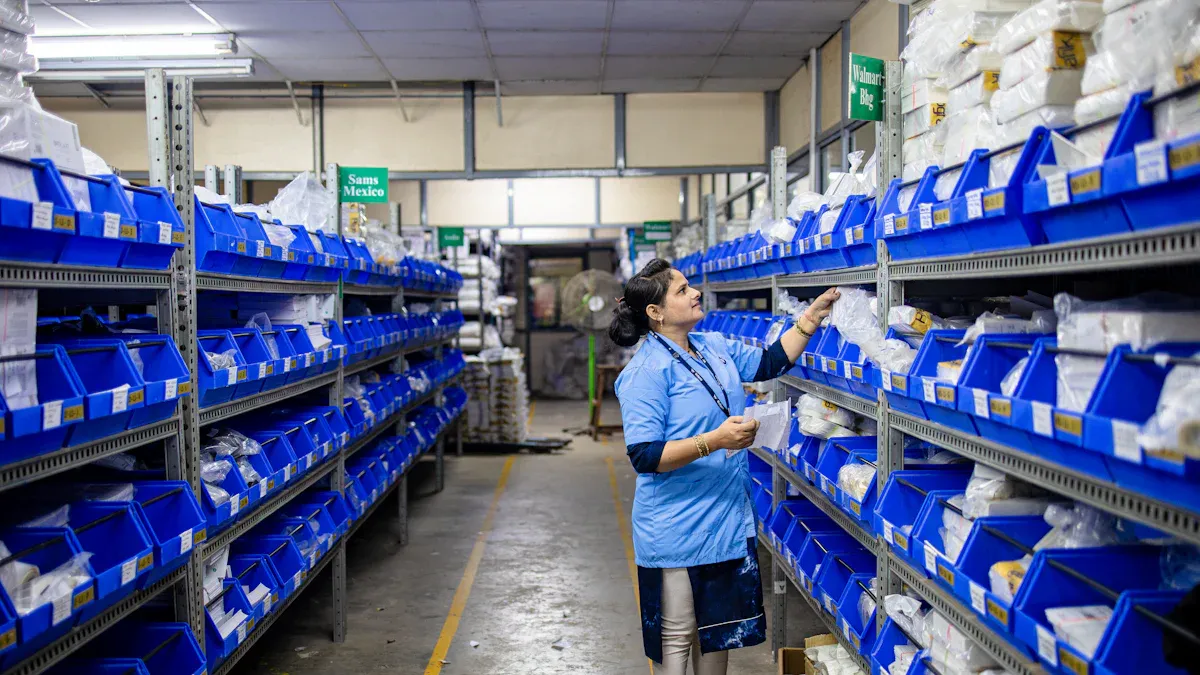
You face complex retail logistics north america challenges every day. Higher trucking rates, tight air capacity, and the need for advanced forecasting make it hard to keep operations smooth.
Challenge | Description |
|---|---|
Higher Trucking Rates | Retail shipments are facing increased costs due to elevated trucking rates. |
Tight Air Capacity | Limited availability of air freight options is impacting logistics efficiency. |
Advanced Forecasting | The need for improved forecasting methods is critical due to demand fluctuations. |
Returns also create major strain. Many U.S. retailers lose over $100 billion each year from return-related costs. When you cannot process returns quickly, customers may lose trust and look elsewhere for better service.
Key Takeaways
Higher trucking rates and tight air capacity increase logistics costs. Plan for these expenses to maintain profitability.
Labor shortages create significant challenges in recruiting and retaining skilled workers. Offer flexible schedules and better incentives to attract talent.
Invest in advanced technology for real-time inventory management. This helps avoid overselling and improves customer satisfaction.
Transportation delays and rising costs require strategic planning. Consider rerouting shipments or using different carriers to manage expenses.
Focus on building strong partnerships and improving communication. This enhances resilience and agility in your supply chain.
Supply Chain Disruptions in North America
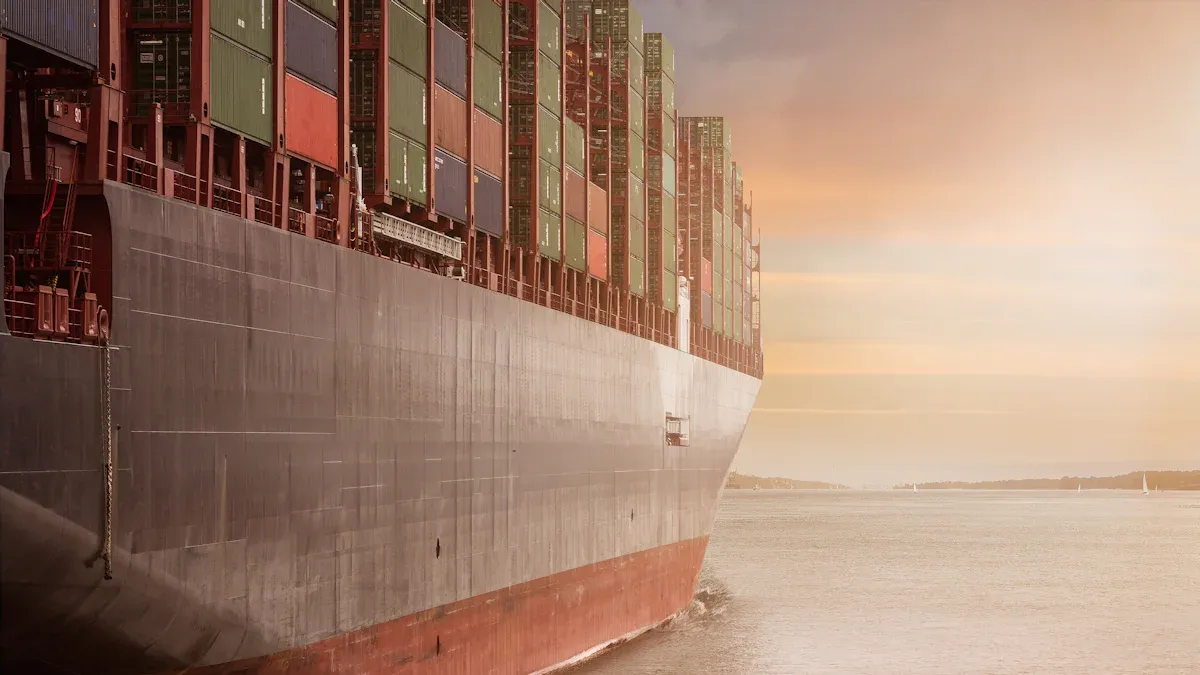
Global Events Impact
You see the effects of global events every day in your supply chain. Sudden changes in demand and supply can cause chaos. For example:
Retail sales jumped by 6.7% in 2020, much higher than the usual 4.4% average.
The Port of Los Angeles handled 16% more traffic in 2021 than in 2020.
Almost all retail executives—98%—reported supply chain issues in 2021.
Over half of executives expected higher product prices or shipping costs.
Some companies, like National Tree Company, saw shipping costs rise from $2,000-$3,000 to $25,000 in 2021.
These numbers show how global shocks can make retail logistics north america challenges even harder to manage.
Transportation Delays
You must deal with transportation delays that slow down your entire operation. Ports and railroads face congestion and longer wait times. Here are some facts:
Containers at Los Angeles ports now wait 5.2 days, up from 3.8 days in 2022.
Rail delays can last up to 72 hours on single-track routes.
Many shippers reroute cargo to smaller ports, which often lack proper warehouse space.
Note: In North America, containers sometimes take 1 to 2 weeks to get loaded onto rail at ports. Labor shortages and railcar problems add to the delays. You need to plan for extra inventory to avoid running out of stock.
Supplier Reliability
Supplier reliability is a big part of retail logistics north america challenges. When suppliers miss deadlines, you lose sales and trust. According to recent research, companies lost an average of 3.6% of their yearly revenue because of supply chain disruptions. The table below shows more details:
Metric | Value |
|---|---|
Global on-time delivery rates | 52.1% (April 2024) |
Drop from pre-pandemic rates | Over 75% |
Percentage of consumers less likely to shop | 69% |
Revenue loss due to supply chain disruption | 3.6% (average) |
You also face cost increases, poor data quality, and the need for better teamwork with your partners. Major retailers like Target feel profit pressure from tariffs and supply chain issues. Some, like TJ Maxx, use flexible models to find new opportunities during these disruptions.
Labor Shortages and Workforce Challenges
Recruiting Difficulties
You face tough recruiting conditions in retail logistics. Many companies struggle to find skilled workers. According to recent reports, 74% of U.S. employers in transport and logistics cannot fill open positions. In fact, 76% of logistics companies report major labor shortages. The U.S. logistics sector expects a shortfall of over 2 million workers by 2025. This shortage leads to shipping delays and higher costs. You see these retail logistics north america challenges every day as you try to keep your team fully staffed.
Tip: Consider offering flexible schedules and better incentives to attract new talent.
Retention Issues
Keeping employees is just as hard as hiring them. High turnover rates create instability in your workforce. Retail and wholesale industries have a turnover rate of 24.9%. Almost half of organizations struggle to keep employees in key roles. Over half of U.S. workers are looking for new jobs. Poor communication and declining compensation make employees leave for better opportunities. The table below shows key factors that impact retention:
Factor | Impact on Retention |
|---|---|
High Turnover Rates | Creates instability and increases hiring costs. |
Poor Employee Sentiment Tracking | Leads to burnout and safety issues. |
Declining Compensation Concerns | Employees seek better pay elsewhere. |
Communication Breakdowns | Small frustrations grow into major problems. |
You need to track employee sentiment and improve workplace culture to reduce turnover.
Training Gaps
Training gaps can hurt your operations. New and temporary workers often lack proper safety training. This increases the risk of accidents and slows down your logistics process. Employees without enough training struggle to manage inventory and fulfill orders. These gaps lower productivity and customer satisfaction. You must invest in regular training to keep your team safe and efficient.
Insufficient safety training raises accident risks.
Poor training leads to mistakes in inventory management.
Productivity drops when employees do not understand their roles.
You can address these retail logistics north america challenges by focusing on better training programs and ongoing support for your staff.
Rising Costs in Retail Logistics
Fuel Price Increases
You see fuel prices change often. These changes affect your delivery costs every day. When fuel prices go up, shipping rates rise. Logistics companies pass these costs to you, and you may need to raise prices for your customers. Fuel costs now make up about 63% of total U.S. logistics costs and 6% of GDP.
Fuel price hikes start a domino effect. Every part of your supply chain feels the impact. You pay more for transportation, and your customers pay more for goods.
Fluctuating fuel prices increase your operational costs.
Higher fuel costs make freight transportation the largest and most unpredictable expense in logistics.
Rising fuel prices affect manufacturing and consumer pricing.
Transportation Expenses
You notice transportation expenses climbing each year. Freight rates go up when fuel prices rise. You must pay more for shipping, and this affects your profit margins.
As shipping rates increase, you need to find ways to keep costs down. Some companies reroute shipments or use different carriers to save money.
Expense Type | Impact on Your Business |
|---|---|
Freight Rates | Higher costs for moving goods |
Shipping Surcharges | Extra fees added to deliveries |
Delivery Delays | Increased costs due to longer wait times |
You face retail logistics north america challenges when transportation costs rise quickly. You must adjust your budget and find new solutions to keep your business running smoothly.
Warehousing Costs
Warehousing costs have jumped in recent years. You pay more for space, especially in major markets. Rental rates for warehouse space are now 55% higher than before. Average rents for logistics space increased by 11.4% year over year in Q3 2022.
E-commerce growth pushes you to find fast and reliable warehousing.
Automation and digital platforms help you improve efficiency.
Global supply chain complexity means you need smarter logistics.
Customers expect speed, so you invest in advanced technologies.
New market opportunities drive innovation in your warehouse operations.
The available retail inventories to sales ratio was 1.24 in November 2022, lower than the pandemic high of 1.69. This shows you must manage inventory more carefully and respond quickly to changes in demand.
You need to balance higher costs with better service and faster delivery. Smart investments in technology and flexible solutions help you stay competitive.
Inventory Visibility and Consumer Expectations
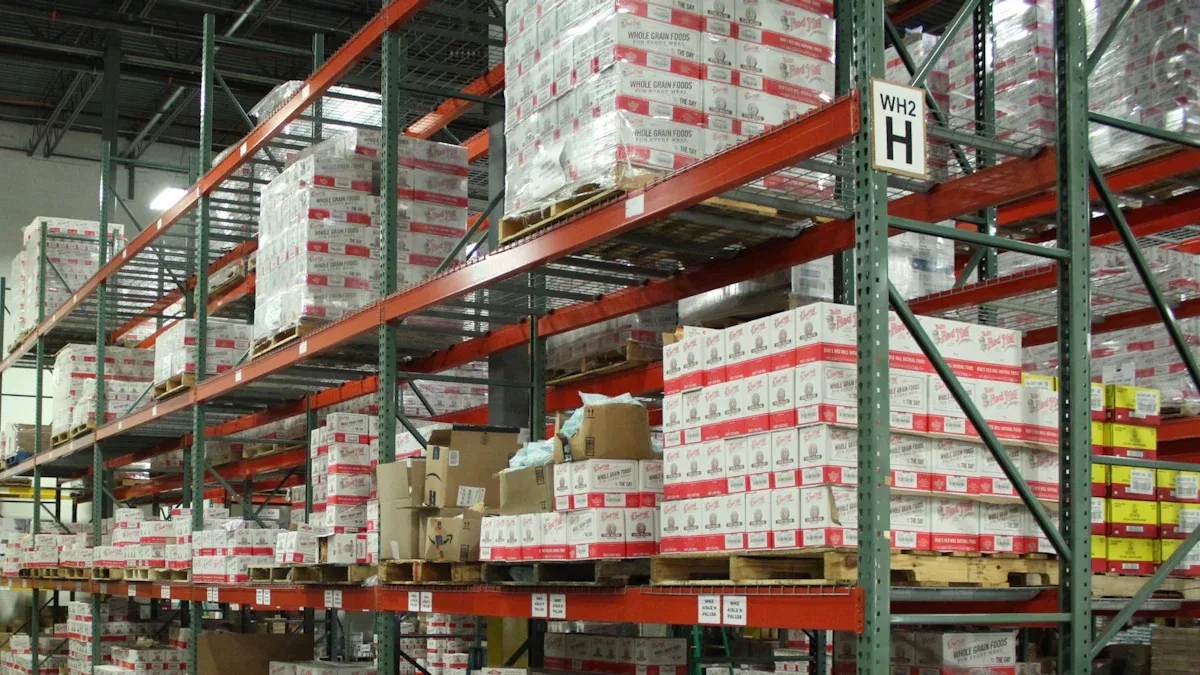
Inventory Management
You need to know exactly what you have in stock at all times. Many retailers struggle with outdated systems that do not update inventory in real time. This makes it hard to keep track of products and leads to mistakes. You may sell items you do not have or miss sales because your system shows products as unavailable. Here are some common problems you face:
Legacy systems slow down inventory updates.
You risk underselling or overselling due to inaccurate data.
You cannot see all your inventory in one place.
Scaling your business becomes harder when your systems lag behind.
If you do not have a unified view of your inventory, you lose sales and disappoint customers. You need better technology to solve these retail logistics north america challenges.
Omnichannel Fulfillment
You must meet customer demands across many sales channels. Shoppers expect to buy online, pick up in-store, or get fast home delivery. This means you need real-time inventory accuracy for every channel. All your sales depend on the same pool of products, so mistakes can happen easily. You must use advanced analytics to predict demand and adjust your stock. A strong order management system helps you keep track of orders from every channel.
Managing multiple systems, like inventory and shipping, adds technical complexity. You need a solid IT setup to avoid problems like data silos or system errors. Careful planning helps you keep operations smooth and customers happy.
Returns and Last-Mile Delivery
You face big challenges with returns and last-mile delivery. Customers want fast and flexible delivery options. Most expect same-day or next-day delivery. If you cannot meet these expectations, shoppers may leave their carts or choose another retailer. Many want real-time tracking and updates about their orders. Poor communication can drive customers away and hurt your reputation.
73% of shoppers expect fast delivery.
67% abandon carts if delivery is too slow.
89% want to track their orders in real time.
43% will not order again after poor delivery communication.
Failed deliveries cost you money and time.
You must use new technologies to speed up delivery and keep customers informed. Fast, reliable service helps you stand out and grow your business.
Retail Logistics North America Challenges: Complexity and Transition
Fragmented Consumer Behavior
You see shoppers switching between online and in-store purchases. This makes it hard to track what customers want. You must collect data from many sources, but outdated systems slow you down. You need to understand your customers, but siloed data creates confusion. Retailers face these problems every day:
You struggle to combine data from online and physical stores.
Changing customer habits make it tough to predict demand.
Shoppers want personalized experiences, so you must adapt quickly.
Value-seeking customers force you to change your logistics plans.
You need better technology to keep up with these changes. Fast adaptation helps you stay ahead in retail logistics north america challenges.
Supply Chain Complexity
You manage a supply chain that grows more complicated each year. You must handle new delivery options and changing inventory needs. Many retailers now use local fulfillment centers and automated pickup points. Walmart leads the way with these solutions. You need advanced technology to keep everything running smoothly. Retailers use several strategies to manage complexity:
Strategy | Effectiveness |
|---|---|
Cuts costs and boosts efficiency. | |
Vendor management | Keeps your supply chain stable. |
Green logistics | Lowers carbon emissions and pleases customers. |
Ethical sourcing | Builds strong supplier relationships and protects your brand. |
Circular supply chain | Saves money by reusing and recycling stock. |
Last-mile delivery optimization | Reduces expenses with new delivery methods. |
Efficient reverse logistics | Makes returns easier and cheaper. |
AI and machine learning | Improves forecasting and lowers holding costs. |
Blockchain technology | Speeds up tracking and increases transparency. |
Advanced analytics | Helps you make smart decisions and grow revenue. |
According to Abby Jenkins, a supply chain expert, “Overcoming these challenges requires a multifaceted approach. Retailers should adopt advanced technologies, streamline operations, and place a significant focus on customer experience to stay ahead in the game.”
Transition Pressures
You feel pressure to change your business. Customers want eco-friendly products and packaging. You see brands using biodegradable plastics and recycled fibers to meet new standards. Digital transformation helps you move products faster and compete with other retailers. You must invest in smart packaging and recycling to meet regulations. E-commerce growth pushes you to find new solutions for packaging and delivery. You need to balance sustainability with speed and efficiency. These changes shape the future of retail logistics north america challenges.
You face retail logistics north america challenges that demand quick thinking and smart planning. Economic shifts, labor shortages, and rising costs make your job harder. To stay ahead, you can use these strategies:
Build strong partnerships and improve communication.
Use technology for real-time tracking and better inventory control.
Future Focus | Description |
|---|---|
Resilience | Strengthen your supply chain to handle disruptions. |
Agility | Adapt quickly to changes in demand and supply. |
Visibility | Track goods and materials across your entire operation. |
You can overcome these challenges by staying flexible and using new tools.
FAQ
What is the biggest challenge in North American retail logistics?
You face unpredictable supply chain disruptions most often. These disruptions come from global events, transportation delays, and unreliable suppliers. You must plan ahead and stay flexible to keep your business running smoothly.
How can you improve inventory visibility?
You can use real-time tracking systems and better software. These tools help you see your stock across all channels. You avoid overselling and keep customers happy with accurate information.
Why do labor shortages affect your logistics?
You struggle to find and keep skilled workers. Labor shortages slow down shipping and order fulfillment. You may need to offer better pay or training to attract new employees.
What steps help reduce rising logistics costs?
You can use automation, negotiate with carriers, and optimize delivery routes. These actions lower your expenses. You also save money by using technology to manage your warehouse and inventory.
See Also
PGL Offers Efficient Warehouse Solutions For East Coast Logistics
Simplifying Supply Chain Management With American Logistics Solutions
Enhancing East Coast Imports With Premier Global Logistics Services
PGL’s Knowledge Ensures Smooth Operations In U.S. Supply Chains
Transforming West Coast Trucking For Today’s Supply Chain Needs
