How to Hire a Customs Broker for Your Business in 2025
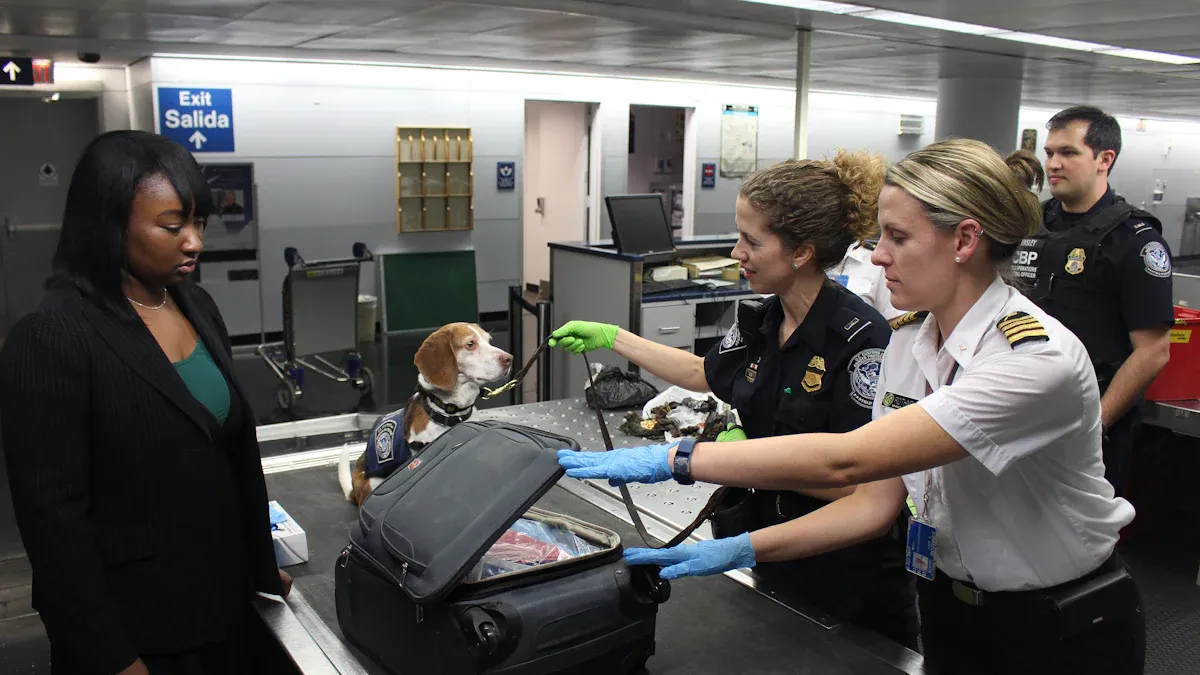
You need to follow a clear process when you choose a customs broker in 2025. Start by matching broker expertise with your goods and business size. Focus on reputation and specialization. Check for strong technology, dedicated teams, and fast communication. Poor selection can lead to delays, fines, or compliance problems. Use this hiring customs brokers guide to make smart choices.
Tip: A good broker protects your business from costly mistakes.
Key Takeaways
Define your import and export needs clearly. Understand the types of goods you ship and their specific requirements to find a broker with the right expertise.
Shortlist brokers who specialize in your industry. Look for those with strong reputations, advanced technology, and a proven track record in handling similar goods.
Interview potential brokers thoroughly. Ask about their experience, problem-solving skills, and how they stay updated on customs regulations to ensure they fit your business needs.
Set clear expectations during onboarding. Share your business goals and communication preferences to build a strong partnership and avoid misunderstandings.
Utilize technology for efficiency. Choose brokers who offer digital tools for tracking shipments and managing documents to streamline your customs process.
Hiring Customs Brokers Guide: Key Steps

Define Your Import/Export Needs
Start your hiring customs brokers guide by looking at your business’s import and export needs. You must know what types of goods you ship, how often you ship, and where your shipments go. Some goods need brokers with special skills. For example, pharmaceuticals, agricultural goods, biological products, and high-value shipments often require brokers who understand strict regulations and special handling.
Type of Goods |
|---|
Pharmaceuticals |
Agricultural Goods |
Biological Products |
High-Value Shipments |
If you ship electronics or medical supplies, you need a broker who knows those industries. Brokers who work with healthcare or technology can help you avoid delays and fines. You should also think about your shipment volume. Large shipments need brokers with enough staff and resources. Small shipments may benefit from boutique services.
Note: Matching broker expertise to your goods and business size helps you avoid costly mistakes.
Shortlist Specialized Brokers
Use your hiring customs brokers guide to create a list of brokers who fit your needs. Look for brokers who specialize in your industry and offer the right services. You can use these criteria to help you choose:
Information Security: Make sure the broker protects your data.
Digitalization: Look for brokers who use AI and electronic systems.
Competency of Personnel: Check the experience of the staff.
Employment of Specialized Personnel: Find brokers with experts in your field.
Accurate Information Sharing: Choose brokers who keep you updated on rules.
Analysis of Customs Valuation Elements: Make sure they can analyze customs values.
Support in Customs Disputes: Pick brokers who help with disputes.
Response Time to Queries: Fast answers are important.
Support Under AEO and Other Programs: Experience with special programs helps.
Training Programs: Brokers should offer training for your team.
Boutique Service Approach: Custom services can fit your needs.
Customs Operation Reporting: Regular reports keep you informed.
Transition to a New Customs Broker: Easy access to past data is key.
You can also look at industry specialization. Some brokers focus on healthcare, pharmaceuticals, or electronics.
Industry | Description |
|---|---|
Healthcare + Pharmaceuticals | Specialized customs brokerage services for medical supplies and pharmaceuticals, ensuring compliance with regulations. |
Technology + Electronics | Customs brokerage for electronics, focusing on tariff codes and documentation to avoid delays. |
T.H. Weiss helps move medicines and medical supplies quickly.
Biocair Customs Brokerage LLC serves the scientific community importing into the U.S.
Assess Track Record and Reputation
Your hiring customs brokers guide should help you check each broker’s history. Look at how they handle customs forms and audits. Good brokers respond quickly to requests from Customs and Border Protection (CBP). They fix problems before they become big issues. You should also check for unexpected charges, like storage or demurrage fees. Timely submission of documents, especially Importer Security Filings (ISF), shows reliability.
Here are some metrics to consider:
CF28s and CF29s from CBP and how brokers respond
Post summary corrections and audit failures
Unexpected charges and delays
Timeliness of information submission
Proactive problem-solving
You can also look at these performance numbers:
Gross Profit Margin per Entry
Client Retention Rate
Entry Filing Accuracy Rate
Revenue from Value-Added Services
Employee Productivity (Entries per Employee)
Read reviews from other businesses. Watch for complaints about extra costs, delays, and poor communication. Many users report surprise fees and confusion about payment methods. Delays in transport and unclear updates can hurt your business.
Tip: A broker with a strong reputation saves you time and money.
Interview and Compare Brokers
Interviewing brokers is a key step in your hiring customs brokers guide. Ask questions to test their knowledge and experience. Here are some good questions:
What is your experience with customs regulations and compliance?
Can you explain the process of tariff classification?
How do you handle discrepancies in customs documentation?
Describe a challenging situation you faced in customs clearance and how you resolved it.
You can also ask them to explain how they classified a new product’s tariff code. This shows their problem-solving skills.
Compare brokers using these criteria:
Criteria | Description |
|---|---|
Regulatory Expertise | Knowledge of import laws, trade agreements, and tariffs is crucial for smooth imports. |
Shipping Methods Expertise | Understanding various shipping methods and their regulations to recommend the best fit. |
Experience in Niche Products | Specialized experience can minimize delays and ensure compliance with regulations. |
Value and Cost | Informing about potential risks and additional fees related to customs inspections. |
Customer Service | Availability for questions and updates on shipment progress to reduce stress. |
Does the broker know your industry?
Does the broker share your values?
Can the broker handle your volumes?
What capabilities does the broker have?
What online technology and tools are available to you?
Note: Comparing brokers helps you find the best fit for your business.
Final Selection and Onboarding
After you compare brokers, choose the one that matches your needs. Your hiring customs brokers guide should help you set up a smooth onboarding process. Start with a kickoff meeting to set priorities and avoid problems. Set Key Performance Indicators (KPIs) and Standard Operating Procedures (SOPs). Talk about finances and operations. Create a timeline for the transition.
Conduct a kickoff meeting to align priorities and mitigate transition risks.
Set KPIs and SOPs.
Address financial concerns and discuss operations.
Establish a timeline for a smooth transition.
Allow at least two weeks for setup. Rushing can cause delays and mistakes. Make sure your broker understands your shipping process and knows all your carriers.
You need to provide key documents during onboarding:
Commercial Invoice: Shows sale terms and helps calculate duties and taxes.
Bill of Lading (BOL): Legal contract and delivery instructions.
Waybill: Receipt and delivery instructions.
Packing List: Details about shipment contents.
Tip: Careful onboarding helps your broker work faster and reduces risks.
By following this hiring customs brokers guide, you can match broker expertise to your goods and business size, research and interview brokers, and onboard the right partner for your needs.
Why the Right Broker Matters
Compliance and Regulations
You need a customs broker who understands the rules. International trade has many laws and changing regulations. If you make a mistake, you can face fines or delays. A good broker helps you follow the rules and keeps your shipments moving.
Here are some ways a broker helps you stay compliant:
They manage and submit all required documents.
They classify your goods correctly and pay duties on time.
They talk to customs authorities for you.
They give advice on trade regulations and help you solve legal problems.
Many businesses face common compliance issues. You can see some examples in the table below:
Compliance Issue | Description |
|---|---|
Adapting to uncertainty in trade and regulation | Rules and taxes change often, making trade unpredictable. |
Classifying goods | Mistakes in classification can lead to fines and legal trouble. |
Legal and civil penalties | Breaking trade laws can result in fines or even criminal charges. |
Complicated customs declaration procedure | Customs paperwork can be confusing and time-consuming. |
Protecting supply chain and preventing counterfeiting | Risks like counterfeiting can damage your brand and cause non-compliance. |
A skilled broker helps you avoid these problems. You can trust them to keep your business safe from penalties.
Efficiency and Risk Reduction
You want your shipments to arrive on time. The right broker makes your shipping process faster and safer. They know how to handle paperwork and customs clearance. This expertise saves you time and money.
Here are some ways a broker improves efficiency and reduces risk:
They handle paperwork so you do not waste time.
They check every detail to avoid shipment delays.
They make sure your goods meet all laws, tariffs, and taxes.
They create plans to fix problems before they happen.
They train your staff on compliance best practices.
They act as guides to help you stay compliant with U.S. Customs regulations.
If you hire an unqualified broker, you risk big financial losses. For example, one company faced over $11,000 in liabilities after a broker used carriers without proper authority. Accidents and mistakes can lead to huge costs.
A reputable broker uses their knowledge to speed up customs clearance. Your shipments move faster, and your business earns more profit. The hiring customs brokers guide helps you choose a broker who protects your business and keeps your supply chain strong.
Selection Criteria
Licensing and Certifications
You should always check if a customs broker has the right license and certifications. Licensed brokers know the rules and can help you avoid mistakes. In major trading countries, brokers must pass exams and meet strict requirements. The table below shows how licensing works in different places:
Country | Licensing Authority | Certification Requirements |
|---|---|---|
United States | U.S. Customs and Border Protection (CBP) | Pass the Customs Broker License Exam, apply, and get CBP approval. |
Canada | Canada Border Services Agency (CBSA) | Pass a certification exam and meet eligibility criteria. |
European Union | National customs authorities of member states | Follow national rules, may need to pass an exam or get a license. |
Australia | Department of Home Affairs | Pass an exam and meet other regulatory requirements. |
India | Central Board of Indirect Taxes and Customs (CBIC) | Pass a certification exam and meet CBIC criteria. |
Brokers must renew certifications every three years. You should also look for brokers who keep up with continuing education.
Tip: Licensed brokers protect your business from legal risks.
Industry Specialization
Choose a broker who knows your industry. Specialized brokers understand your products and the rules that apply. They can help you clear shipments faster, manage documents, and keep you updated on new laws. The table below lists some benefits of industry experience:
Benefit | Description |
|---|---|
Fast clearance | Specialized brokers know the rules and speed up customs. |
Cost savings | They help you avoid extra fees and fines. |
Risk management | They spot problems before they happen. |
Focus on your business | You can spend more time on your main work. |
Technology and Team
Modern customs brokers use technology to make your shipping easier. Automation helps brokers process paperwork quickly and with fewer mistakes. The table below shows how technology helps you:
Benefit | Description |
|---|---|
Improve Efficiency | Automation speeds up customs declarations. |
Better Visibility | Real-time updates let you track your shipments. |
Increase Compliance | Accurate data helps you follow the rules. |
Reduce Costs | Fewer errors mean lower costs. |
A strong team also matters. Look for brokers with enough staff and experts in your field.
Competitive Fees
You want fair and clear pricing. Most brokers charge $50 to $150 or more per customs entry. Some fees depend on how complex your shipment is. You may also pay a merchandise processing fee, which can range from $32.71 to $634.62. Always ask for a fee breakdown before you agree.
Basic brokerage fee: $50–$150+ per entry
Merchandise processing fee: $32.71–$634.62
Fees can be negotiable
Note: Compare fees and services to get the best value for your business.
Where to Find Brokers
Online Directories
You can start your search for customs brokers by using online directories. These platforms help you compare brokers, review their services, and check their credentials. You find contact details and can sort brokers by location or point of entry. Many businesses use these directories to make informed decisions.
Directory Name | Description |
|---|---|
CBP Website’s List of Brokers | A comprehensive list of licensed Customs Brokers organized by point of entry, including contact information. |
NCBFAA’s Member Directory | A directory of members from the National Customs Brokers & Forwarders Association, searchable by location, providing contact details. |
Google Search | A quick method to find Customs Brokers in a specific area, along with reviews to help vet their qualifications. |
Tip: Compare rates and services. Read reviews from other businesses. Focus on your specific needs and non-negotiables.
Referrals and Networking
Referrals give you access to trusted brokers. You can ask your business partners or current customers for recommendations. This method often leads to reliable connections and strengthens your relationships. Networking with industry peers helps you learn about brokers who have proven records.
Asking current customers for suggestions can lead to new partnerships.
Networking builds trust and expands your options.
Note: Personal recommendations often reveal brokers who deliver consistent results.
Trade Shows and Associations
Trade shows and industry associations connect you with customs brokers face-to-face. You meet experts, attend educational sessions, and learn about new customs processes. These events offer resources that help you collaborate and communicate within the trade community.
Exhibitions Cargo LLC specializes in logistics and customs brokerage for trade shows. You get efficient delivery and customs clearance.
NCBFAA Conferences & Events provide networking and advocacy. You meet industry representatives and customs brokers.
Attending trade shows and joining associations helps you build valuable relationships and stay updated on industry trends.
Due Diligence
Key Interview Questions
You need to ask the right questions when you interview customs brokers. Good questions help you understand if a broker fits your business. Start with questions about their experience with your type of goods. Ask how they handle customs changes and what steps they take to avoid delays. You can also ask about their technology and how they keep you updated.
Here are some questions you can use:
How do you stay updated on changing customs regulations?
Can you describe a time you solved a customs clearance problem?
What technology do you use to track shipments?
How do you handle errors in documentation?
Who will be your main point of contact?
Tip: Clear questions help you find a broker who matches your needs.
Reference Checks
You should always check references before you hire a broker. Reference checks give you a better picture of the broker’s work. They help you confirm the information you learned during interviews. You can also learn how the broker handled past shipments.
Reference checks verify the accuracy of information the broker provides.
They help you see if the broker’s past experience matches your needs.
You may uncover important background details that interviews do not reveal.
Ask for at least two business references. Call them and ask about reliability, communication, and problem-solving skills.
Service Agreements
A strong service agreement protects your business. You need to make sure the agreement covers all important points. This document should clearly define the roles and responsibilities of both you and the broker. It should also set limits on liability, so the broker is only responsible for direct mistakes. The agreement must explain how to submit claims and how long you have to do so. Usually, you must send claims in writing within 90 days. You should also know that you must pay all fees before the broker will consider your claim.
Key items to include in your service agreement:
Limits on liability for the broker
Written claims required within 90 days of an event
All fees must be paid before claims are processed
Note: A detailed agreement helps prevent misunderstandings and protects your interests.
Communication and Technology

Responsiveness and POC Availability
You need a customs broker who answers your questions quickly. Fast communication helps you solve problems before they grow. When you work with a broker, ask who your main point of contact (POC) will be. A dedicated POC gives you direct answers and updates. You do not want to wait for days to hear back about your shipment.
Here are some signs of good responsiveness:
Replies to emails or calls within a few hours
Updates you on shipment status without you asking
Shares changes in customs rules right away
Solves problems before they cause delays
A reliable broker will give you a direct phone number or email for your POC. You should know who to contact for urgent issues. If your broker uses a team approach, make sure you know each member’s role.
Tip: Quick answers and a clear contact person help you avoid costly mistakes.
Feature | Why It Matters |
|---|---|
Fast response times | Prevents shipment delays |
Dedicated POC | Gives you clear updates |
Proactive communication | Keeps you informed about changes |
Digital Tools and Integration
Modern customs brokers use digital tools to make your job easier. You should look for brokers who offer online portals, shipment tracking, and electronic document uploads. These tools save you time and reduce errors.
Some helpful digital features include:
Online dashboards for shipment status
Automated alerts for customs updates
Electronic document management
Integration with your business software
You can track your shipments in real time. You upload invoices and packing lists without printing. Some brokers use artificial intelligence (AI) to check documents for mistakes. This technology helps you avoid fines and delays.
Digital Tool | Benefit |
|---|---|
Shipment tracking | See where your goods are at any time |
Document upload | Send paperwork quickly and securely |
Automated alerts | Get notified about important changes |
Software integration | Connect broker tools with your systems |
Note: Digital tools make customs clearance faster and safer. Choose a broker who invests in technology to support your business.
Onboarding Your Broker
Setting Expectations
You need to set clear expectations with your customs broker from the start. This step helps you avoid confusion and keeps your shipments on track. You should explain your business goals and shipping needs. Tell your broker how often you ship and what types of goods you import or export. Share your preferred communication style and how often you want updates.
You can use a checklist to guide your first meeting:
Share your business goals and shipment details.
Set timelines for document submission and customs clearance.
Agree on how you will communicate (email, phone, portal).
Decide who will be your main point of contact.
Review key performance indicators (KPIs) for success.
Tip: Write down your expectations and share them with your broker. This helps both sides stay accountable.
A table can help you track your onboarding tasks:
Task | Responsible Party | Deadline |
|---|---|---|
Provide shipment schedule | You | Day 1 |
Assign main contact | Broker | Day 1 |
Set up digital access | Broker | Day 2 |
Review KPIs | Both | Day 3 |
Training and Integration
You should train your team and your broker to work together. This step builds trust and speeds up the process. Show your broker how your business operates. Invite them to meet your staff and learn about your products. Ask your broker to explain their systems and tools.
Here are some ways to make integration smooth:
Schedule a training session for your team on the broker’s portal.
Share your internal processes for shipping and receiving.
Ask for a demo of the broker’s tracking and reporting tools.
Set up regular check-ins to review progress and solve problems.
Note: Good training helps your team avoid mistakes and keeps your shipments moving.
You can use a shared calendar to track meetings and deadlines. This keeps everyone on the same page. When you invest time in onboarding, you build a strong partnership with your broker.
You can hire the right customs broker by following clear steps. Define your needs, research specialized brokers, check their reputation, and use technology to stay informed. Focus on brokers who match your business and offer strong support. Use this guide to avoid delays and costly mistakes. Start by making a shortlist and setting up interviews. Remember, a trusted broker helps your business grow and keeps your shipments safe for years to come.
FAQ
What does a customs broker do for my business?
A customs broker helps you clear goods through customs. You get help with paperwork, taxes, and rules. The broker talks to customs officials for you. This service saves you time and helps you avoid mistakes.
How do I know if a broker is licensed?
You can check the broker’s license on the U.S. Customs and Border Protection (CBP) website. Ask the broker for their license number. A licensed broker meets strict rules and passes exams.
What documents do I need to give my customs broker?
You need to provide these documents:
Commercial invoice
Bill of lading
Packing list
Import or export licenses (if needed)
Tip: Give clear and complete documents to avoid delays.
How much does it cost to hire a customs broker?
Fees depend on your shipment and services. Most brokers charge $50–$150 per entry. Some charge extra for complex goods. Always ask for a fee list before you agree.
Can I switch brokers if I am not happy?
Yes, you can change brokers. Tell your current broker in writing. Make sure you get all your documents. Your new broker can help you with the switch.
See Also
Simplifying Cross-Border Freight Solutions on the West Coast
Exploring Future Trends in LCL Shipping to Panama
Key LCL Shipping Steps for Exporting to Panama
Understanding East Coast B2B Warehousing and Distribution Services
Enhancing International Operations Through Innovative Logistics Solutions
