Temperature Controlled Logistics Guide for Everyday Basics
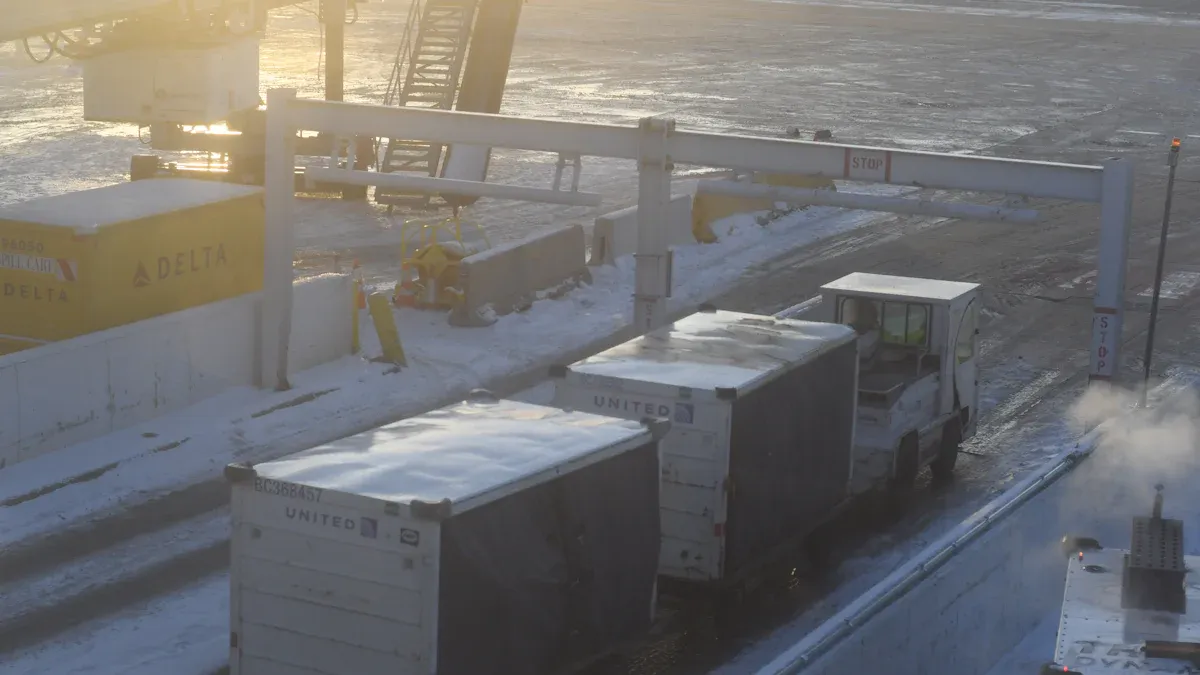
You depend on temperature controlled logistics every day, often without knowing it. This process keeps items safe by moving and storing them at the right temperatures. Many products need this care to stay fresh and effective. Some common examples include:
Fresh fruits and vegetables
Frozen food
Photographic film
Chemicals
Medicines and vaccines
A temperature controlled logistics guide helps you understand why this system matters. When products travel in the wrong conditions, they can spoil or lose quality. You should care because safe products mean better health and less waste.
Key Takeaways
Temperature controlled logistics keeps food, medicine, and other products safe by maintaining the right temperatures during storage and transport.
Improper temperature control can spoil products, leading to health risks and increased waste. Always check temperature conditions when buying sensitive items.
Look for clear labels, sealed packaging, and proper temperature when receiving deliveries to ensure product safety and quality.
Advanced monitoring technologies track temperatures in real-time, helping prevent spoilage and ensuring products remain effective.
Ask suppliers about their temperature control practices to make informed choices and protect your health.
Temperature Controlled Logistics Guide: Key Concepts
What Is Temperature Controlled Logistics
You encounter temperature controlled logistics every time you buy fresh food, medicine, or even flowers. This system manages the storage and transportation of goods that need specific temperature conditions. In the supply chain industry, experts call this cold chain logistics. You see it in action when vaccines must stay between 36 and 46 degrees Fahrenheit, or when fresh meat needs to remain at or below 40 degrees Fahrenheit to stop bacteria from growing. The temperature controlled logistics guide helps you understand how these systems work to keep products safe and effective.
You might wonder how temperature controlled logistics differs from standard logistics. The table below shows the main differences:
Aspect | Temperature Controlled Logistics | Standard Logistics |
|---|---|---|
Equipment | Simpler, cost-effective solutions | |
Technology | Refrigerated trucks with cooling systems | Basic transportation methods |
Temperature Monitoring | Continuous tracking with sensors and real-time alerts | Minimal monitoring required |
Costs | Higher due to specialized equipment and compliance | Lower, more straightforward costs |
Regulatory Requirements | Strict regulations for safety and effectiveness | Fewer regulations, less oversight |
You rely on these advanced systems to keep your food fresh and your medicines safe. Continuous temperature monitoring and strict regulations make sure products arrive in good condition.
Purpose and Importance
You need temperature controlled logistics for several important reasons. This system protects the integrity of products, especially those sensitive to temperature changes like pharmaceuticals and vaccines. It also helps companies follow strict rules for handling and transporting these items. The temperature controlled logistics guide shows you how these systems manage complex supply chains and keep products safe.
Here are the main reasons for using temperature controlled logistics:
Reason for Temperature Controlled Logistics | Description |
|---|---|
Safeguarding Integrity | Ensures the quality and safety of temperature-sensitive items like pharmaceuticals and vaccines. |
Adhering to Regulatory Standards | Compliance with strict regulations for handling and transporting sensitive goods. |
Managing Complex Supply Chains | Addresses the challenges of maintaining appropriate temperatures throughout the logistics process. |
You see the impact of temperature control in your daily life. Even small changes in temperature can ruin products with short shelf lives, such as fresh produce and medicines. Careful temperature control keeps food safe by stopping bacteria from growing and reducing the risk of foodborne illnesses. You also help reduce food waste when products stay fresh longer because of proper handling.
Temperature control throughout shipping and storage increases shelf life and reduces waste.
Cold chain logistics are essential for keeping fresh produce and meat from spoiling.
Continuous temperature control maintains freshness, quality, and safety.
Any temperature change can speed up spoilage and make products unsafe.
Tip: When you buy groceries or medicine, check if the store uses proper temperature controls. This helps you choose safer and fresher products.
The temperature controlled logistics guide gives you the tools to understand why these systems matter. You protect your health and get better quality products when you pay attention to temperature control.
Why Temperature Control Matters
Risks of Improper Temperature
You trust that your food, medicine, and other products arrive safe and fresh. When temperature control fails, you face serious risks. Problems can happen at any point in the supply chain. If a refrigerated truck breaks down, the temperature inside can rise quickly. This can ruin everything inside. Sometimes, workers make mistakes because they do not have enough training. These errors can break the cold chain and spoil products.
You also see risks when standards and infrastructure change from place to place. Some regions do not have the same rules or equipment. This can lead to poor temperature control and wasted products. Theft during shipment is another risk. Stolen goods may not get the right care, putting your safety at risk.
Here are the most common risks you should know about:
Equipment failure, such as power interruptions in refrigerated trucks, can cause severe damage to products.
Human errors, like improper handling or lack of training, can break the cold chain.
Varying standards and infrastructure in different regions can lead to inefficiencies in temperature control.
Shipment theft can result in major losses and put end-users at risk.
Note: Even one mistake in temperature control can make products unsafe for you and your family.
Product Integrity and Safety
You rely on temperature controlled logistics to keep products safe and effective. When you buy vaccines or medicines, you expect them to work as promised. These products must stay within strict temperature ranges. For example, vaccines often need to stay between 2℃ and 8℃, or sometimes as cold as -20°C. If the temperature goes outside these limits, the active ingredients can break down. This means the medicine or vaccine may not protect you.
Cold storage facilities play a key role in keeping products safe. Some pharmaceuticals need special temperatures based on stability testing. Without proper cold storage, these products lose their power and can even become dangerous.
You see the impact of good temperature control in real life. Vaccines shipped by air save millions of lives each year. This only happens because temperature controlled logistics keep them effective during transport. When you use a temperature controlled logistics guide, you learn how these systems protect your health.
Vaccines shipped by air save 2.5 million lives each year because temperature control preserves their efficacy.
Medicines and vaccines must stay within specific temperature ranges to remain effective.
Cold storage facilities are essential for successful temperature-controlled shipping.
Tip: Always check if your pharmacy or grocery store uses proper cold storage. This helps you choose products that are safe and high quality.
Key Components
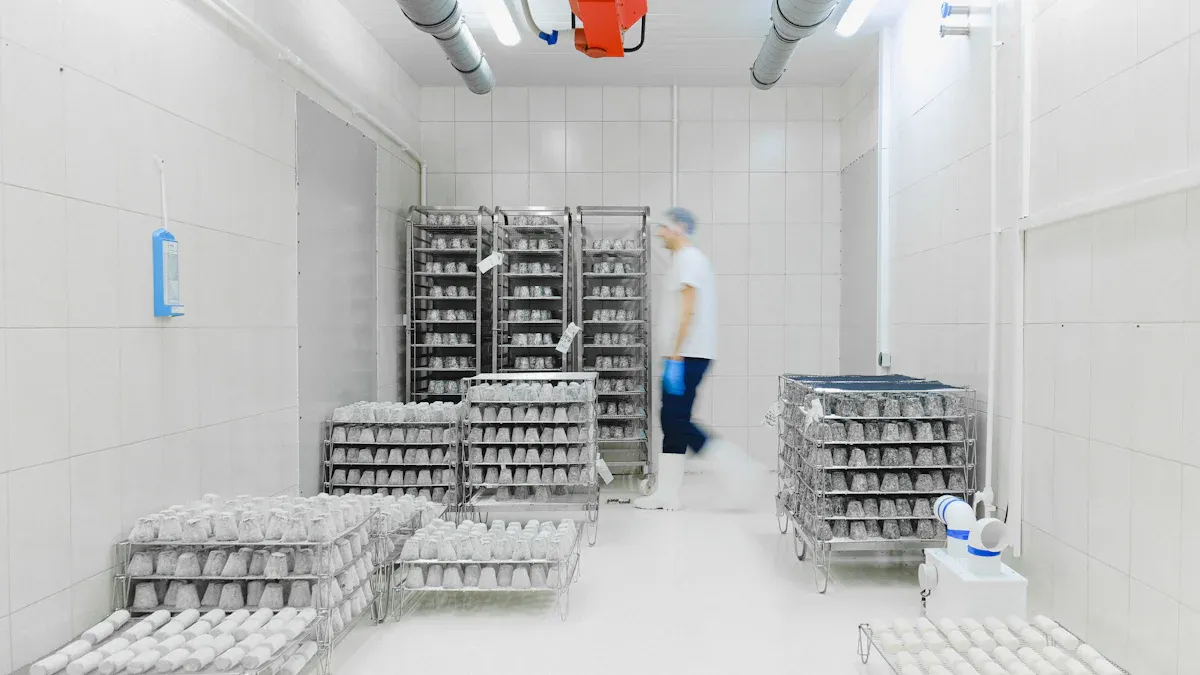
Temperature Ranges
You need to know that different products require different temperature ranges to stay safe and effective. For example, vaccines must stay between 2°C and 8°C (36°F to 46°F), while deep-frozen goods need much colder conditions. The table below shows common temperature ranges for various products:
Product Type | Temperature Range (°C) | Temperature Range (°F) |
|---|---|---|
Vaccines | 2 to 8 | 36 to 46 |
Deep-frozen goods | -70 | -94 |
Ambient | Natural temperature | Natural temperature |
Air conditioned | 13 to 24 | 56 to 75 |
Refrigerated | 1 to 13 | 33 to 55 |
Cold/Frozen | ≤ 0 | ≤ 32 |
You see that each product type has its own needs. Following these ranges keeps food, medicine, and other goods safe.
Equipment and Packaging
You rely on special equipment and packaging to keep products at the right temperature. Common options include:
Equipment/Packaging Type | Description |
|---|---|
Cardboard | Affordable and customizable, but not the best for securing the cold chain. |
Aluminised Foam | Insulating material used to coat packages for added protection. |
Polyurethane | High insulating plastic used for shaping and insulating packaging. |
Cold Engines | Devices that maintain the cold chain, available in solid or gel form. |
Reefer Containers | Portable cold rooms used for cold shipments, acting as secondary packaging. |
Special Tanks (Dry Shippers) | Used for transporting goods with extreme cooling mechanisms like dry ice or liquid nitrogen. |
You often see refrigerated trucks, containers, and warehouses in action. These can hold different temperature zones at the same time, which helps when you need to ship many types of products together. Many companies use third-party logistics (3PL) providers to manage these systems.
Transportation Methods
You depend on several transportation methods to move temperature-sensitive goods. Refrigerated trucks and containers are the most common. Trucks can keep temperatures from -13°F to 77°F, with some units reaching as low as -85°F. Containers use digital control systems and strong insulation to protect products during long trips. Warehouses also play a key role by storing goods at the right temperature before and after transport.
Monitoring Technologies
You benefit from advanced monitoring technologies that track temperature during every step. Wireless sensors and IoT systems provide real-time updates. These tools help prevent spoilage by alerting workers if temperatures change. Real-time monitoring builds trust and supports safety rules. You also see passive temperature loggers, which record data for later review, but real-time devices allow quick action to protect your products.
A temperature controlled logistics guide helps you understand how these components work together to keep your everyday items safe and fresh.
Everyday Impact
Food and Beverages
You see temperature control at work every time you visit the grocery store. Many foods and drinks need special care to stay safe and tasty. If you look in the freezer or refrigerated section, you find items that rely on cold storage. Some common examples include:
Seafood
Meat products
Dairy products
Fresh fruits and vegetables
If these foods get too warm or too cold, they can spoil or lose their flavor. For example, ice cream melts quickly if not kept frozen. Seafood and meat can grow harmful bacteria if the temperature rises. Dairy products like milk and cheese need steady cold to stay fresh. When you use a temperature controlled logistics guide, you learn how these systems protect your food from farm to table.
Medicines and Vaccines
You depend on temperature control for safe medicine. Many vaccines and drugs must stay within a narrow temperature range. If they get too hot or too cold, they may not work as they should. Pharmacies, hospitals, and clinics use special refrigerators and freezers to store these products. When you get a flu shot or take certain medicines, you trust that they have stayed at the right temperature. This careful handling keeps you healthy and safe.
Flowers and Paintings
You might not think about it, but flowers and artwork also need temperature control. Flowers can wilt or lose color if exposed to heat or cold. Quick shipping in climate-controlled trucks helps keep stems and buds fresh. Artwork and antiques need steady temperatures to prevent damage. Museums and galleries use climate-controlled rooms to protect valuable pieces. By keeping the environment stable, you help preserve the beauty and value of these delicate items.
Tip: When you buy flowers or art, ask how they were shipped or stored. Proper temperature control means better quality and longer-lasting products.
Process Overview
Storage
You start the temperature controlled logistics process with proper storage. Warehouses use special rooms and equipment to keep products at the right temperature. Cold rooms, freezers, and refrigerators help maintain steady conditions. Staff check temperatures often and use alarms to spot any changes. You see labels on products that show the required temperature range. This helps workers store each item in the correct place. Some warehouses use different zones for different products. For example, frozen foods stay in one area, while fresh produce goes in another. Good storage keeps products safe until they move to the next step.
Transport
You rely on careful transport to keep products safe as they move from storage to their next stop. Refrigerated trucks and containers protect goods from heat or cold. Drivers check temperature gauges during the trip. Some trucks have digital systems that send alerts if the temperature changes. You may notice that companies use different vehicles for different products. For example, a truck carrying ice cream needs to stay much colder than one carrying fresh fruit. Route planning helps drivers avoid delays and keep products fresh. You benefit from these steps every time you buy fresh or frozen items at the store.
Delivery
You see the final step in the process when products reach stores, pharmacies, or your home. Last-mile delivery uses several tools to keep items safe:
IoT sensors track temperature and humidity in real time. These sensors send alerts if something goes wrong.
Route optimization software helps drivers find the fastest path, so products arrive quickly and stay fresh.
Companies use the right size of refrigerated vehicles for each delivery. This saves fuel and keeps temperatures steady.
Tip: When you receive a delivery, check if the package feels cold or frozen as expected. This helps you know if the product stayed safe during the journey.
You play a role in the process by choosing stores and services that use good temperature control. This helps you get safe, high-quality products every day.
Challenges and Solutions
Common Issues
You face several challenges when handling temperature controlled logistics. Equipment can break down, causing temperature spikes that spoil products. Human mistakes, such as incorrect handling or poor training, often lead to cold chain failures. You may see delays in transport that expose goods to unsafe conditions. Sometimes, documentation errors make it hard to track temperature changes. You also deal with unreliable packaging that does not protect items well enough.
Here are some common problems you might encounter:
Refrigeration units fail during transit.
Staff do not follow strict protocols.
Temperature readings are not accurate or updated.
Packaging does not match the product’s needs.
Documentation is incomplete or incorrect.
Note: Even a short period outside the safe temperature range can ruin sensitive products like vaccines or seafood.
Managing Problems
You can solve many temperature control issues by using smart solutions. Real-time IoT monitoring helps you track temperature and humidity every moment. These sensors send alerts if something goes wrong. Proactive system design lets you prevent failures before they happen. You can choose temperature control containers and thermal shippers for each product type. Reliable equipment and strict protocols keep goods safe during transit.
You should also focus on proper venting and accurate documentation. This helps you spot problems quickly and fix them. The table below shows some solutions you can use:
Problem | Solution |
|---|---|
Equipment failure | Use reliable equipment and IoT sensors |
Human error | Train staff and follow protocols |
Poor packaging | Select thermal shippers and containers |
Documentation mistakes | Keep records accurate and updated |
Tip: You improve product safety when you check equipment, train staff, and use smart monitoring tools.
You protect your health and save money by managing these challenges with the right solutions.
Consumer Tips
What to Look For
You play a big role in keeping your food and other products safe. When you receive a delivery or buy temperature-sensitive items, you should know what to check. Paying attention helps you avoid spoiled or unsafe goods.
Here are some important things you should look for:
Make sure you can see the name and address of the supplier on the package. This helps you know where your food or medicine comes from.
Ask if your supplier uses food-safe packaging. Proper packaging protects your items from germs and dirt.
Always have someone ready to inspect the delivery when it arrives. You can spot problems right away.
Check that all food or products are covered or sealed. Open or damaged packaging can let in bacteria or pests.
Look for signs of contamination. Watch out for mold, insects, or anything that does not belong.
Check the use-by date. Do not accept items that are past their date.
For foods that need special temperatures, use a thermometer if you can:
Chilled food should be at 5°C (41°F) or colder.
Hot food should be at 60°C (140°F) or hotter.
Frozen food must arrive frozen solid, not soft or thawed.
If you have an agreement with your supplier about delivery times for food between 5°C and 60°C, make sure the delivery does not take longer than agreed.
Tip: If you notice anything wrong—like warm ice cream, broken seals, or missing labels—do not accept the delivery. You protect yourself and your family by being careful.
You help keep your home safe and healthy when you follow these steps. Good habits make a big difference in the quality of the products you use every day.
You now understand the basics of temperature controlled logistics. This system keeps your food, medicine, and even flowers safe and fresh. Every time you shop, you rely on these systems to protect your health and quality of life.
Check for proper storage and delivery.
Ask questions about how products are handled.
Remember: Paying attention to temperature control helps you make safer, smarter choices every day.
FAQ
What does "cold chain" mean?
You see "cold chain" used to describe the system that keeps products at safe temperatures from start to finish. This chain includes storage, transport, and delivery steps. Each part helps protect food, medicine, and other sensitive items.
How can you tell if a product was stored correctly?
You can check for clear labels, sealed packaging, and proper temperature when you receive the product. Ask the store or delivery service about their storage methods. Use a thermometer for foods if you want extra safety.
Why do medicines need temperature control?
You need temperature control for medicines because heat or cold can damage them. If medicines get too warm or freeze, they may not work. Proper storage keeps you safe and helps the medicine do its job.
What happens if the cold chain breaks?
You risk spoilage, loss of quality, or unsafe products if the cold chain breaks. Food can grow bacteria. Medicines may lose their power. Always check for signs of damage or temperature problems before using these products.
Can you use regular trucks for temperature-sensitive goods?
You cannot use regular trucks for temperature-sensitive goods. You need refrigerated trucks or containers to keep items safe. These vehicles have special cooling systems and sensors to protect products during transport.
See Also
Safeguard Your Goods With Temperature-Controlled Shipping Solutions
Climate-Controlled Warehousing Solutions Available in South Florida
Reliable Cold Chain Storage Services Throughout The Eastern Seaboard
Key Strategies For Effective Management Of Global Logistics
Temperature-Controlled Transportation For Fresh Goods By Premier Logistics
