Freight in Management Best Practices Everyone Can Use
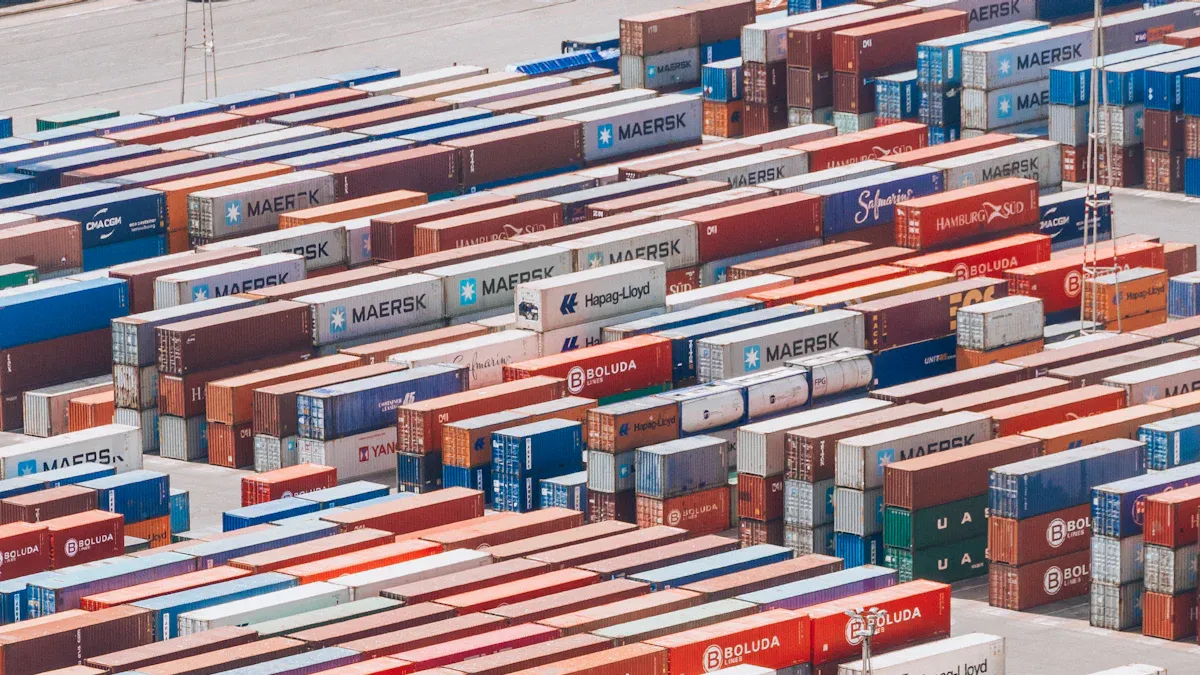
You can achieve real improvements in your supply chain by following freight in management best practices.
Technology integration boosts freight operations.
Working closely with carriers increases efficiency.
Route optimization saves time and money.
Open communication with suppliers and customers prevents misunderstandings.
Integrating logistics expertise, customer service, sustainability, and financial planning is crucial for enhancing supply chain efficiency and achieving cost reduction. Effective planning and strategic decision-making in these areas can lead to improved operational performance, reduced waste, and better alignment with customer expectations.
Key Takeaways
Integrate technology like Transportation Management Systems to automate tasks and improve visibility in your supply chain.
Choose reliable carriers by evaluating their credentials, history, and performance to avoid delays and extra costs.
Consolidate shipments to save money and reduce environmental impact by combining smaller loads into larger shipments.
Maintain open communication with suppliers and customers to prevent misunderstandings and enhance service quality.
Regularly review your freight operations and key performance indicators to identify areas for improvement and ensure compliance.
Carrier Selection Strategies

Compare and Evaluate Carriers
You need to choose the right carrier to keep your supply chain strong. Reliable carriers help you avoid delays and extra costs. You can use industry benchmarks to compare and evaluate carriers. The table below shows important criteria you should check:
Criteria | Description |
|---|---|
Carrier Credentials | Check for proper credentials from agencies like FMCSA or DOT. |
Company History | Look for carriers with at least six months of experience. |
FMCSA Rating | Review safety ratings such as satisfactory, conditional, or unsatisfactory. |
Carrier Assure Grade | Consider grades based on safety records and reliability. |
CSA Scores | Examine safety scores from inspections and crash reports. |
Central Analysis Bureau (CAB) | Read reports on performance and safety alerts. |
Insurance Requirements | Make sure carriers meet insurance standards to reduce risks. |
You should also track on-time delivery and audit invoices. These steps help you spot problems early and keep your shipping costs under control.
Tip: Use a checklist to review each carrier before making a decision. This keeps your process fair and consistent.
Negotiate Contracts
You can save money and improve service by negotiating smart contracts. Logistics experts recommend these steps:
Prepare thoroughly. Study market trends and carrier performance before you start.
Assess your freight needs. Use your shipping history to find the best methods.
Obtain multiple quotes. Talk to several carriers to get the best rates and options.
You should always compare offers and ask questions. This helps you secure better terms and avoid surprises later. Using these freight in management best practices will help you build strong partnerships and keep your supply chain running smoothly.
Technology and Automation
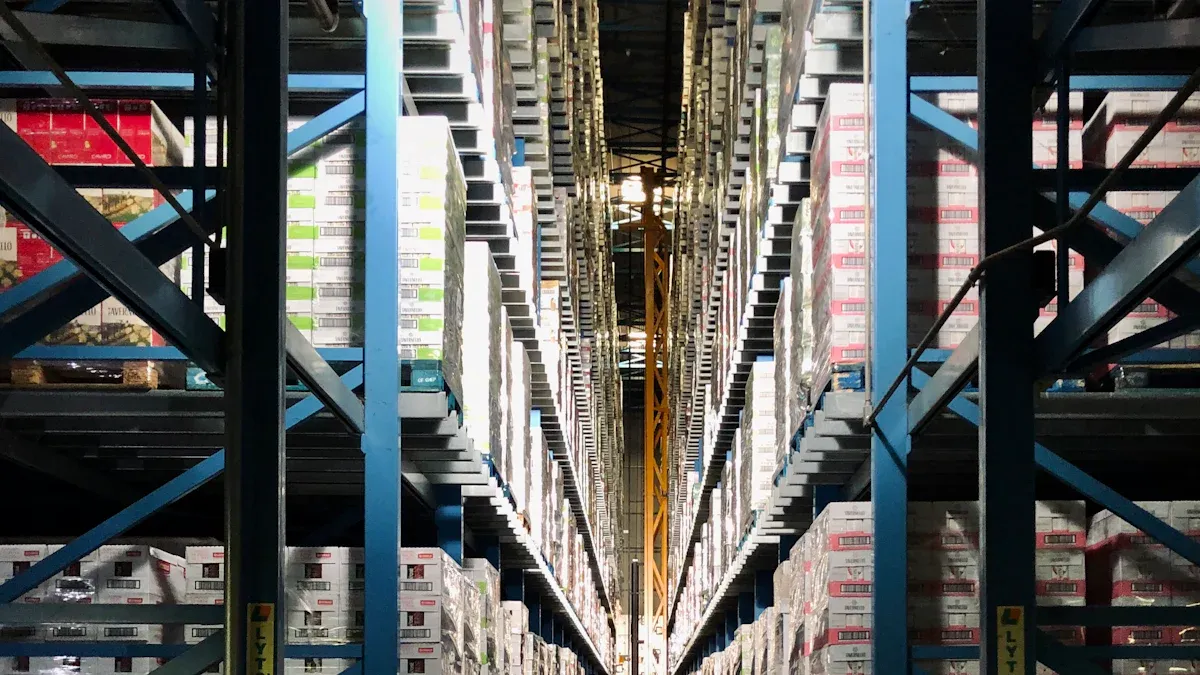
Use Transportation Management Systems
You can make your freight operations smarter by using transportation management systems (TMS). These systems help you choose the best carriers and automate many tasks. TMS gives you real-time visibility into your shipments, so you always know where your goods are. You can also keep digital records, which makes it easier to follow rules and regulations. Many businesses use TMS because it helps them save money and work faster. Here are some benefits you get from using TMS:
Optimizes transportation costs through automation and smarter carrier selection.
Enhances regulatory compliance by automating paperwork and maintaining digital records.
Provides real-time visibility in the supply chain, allowing tracking of shipments from origin to destination.
Improves customer service by giving representatives access to accurate and timely information about orders and deliveries.
Generates valuable data and insights for supply chain managers to analyze performance and trends.
Contributes to sustainability by optimizing routes and decreasing fuel usage.
Tip: You can use TMS to spot problems early and make better decisions for your business.
Real-Time Shipment Tracking
You can boost customer satisfaction by offering real-time shipment tracking. This tool lets your customers see where their orders are at any moment. When customers track their shipments, they feel more confident and trust your service. Real-time updates also help your team answer questions quickly. Many companies notice fewer customer service calls and higher satisfaction scores after adding live tracking. Here are some ways real-time tracking helps:
Offers up-to-the-minute delivery updates, reducing uncertainty for customers.
Increases peace of mind and trust in your service.
Enhances transparency and communication, leading to repeat business.
Reduces customer service inquiries about order status.
Improves customer satisfaction ratings with live updates.
Automate Freight Documentation
You can save time and reduce mistakes by automating freight documentation. Automation tools handle customs paperwork and validate documents quickly. Freight forwarders who use these tools report big improvements in speed and accuracy. The table below shows how automation changes operations:
Metric | Before Automation | After Automation |
|---|---|---|
Manual data entry error rate | 40% | < 1% |
Document validation accuracy | N/A | 99% |
Compliance violation risk | N/A | 95% reduction |
N/A | 61% |
Automation helps you clear customs faster and lowers the risk of mistakes. You can rely on your documents to be correct, which keeps your shipments moving smoothly.
Communication and Collaboration
Cross-Functional Teams
You can improve your freight operations by building cross-functional teams. These teams bring together people from different departments, such as logistics, sales, and customer service. When you work with others, you solve problems faster and make better decisions. You also share important information that helps everyone stay on track. Cross-functional teams help you spot issues early and find solutions before they become bigger problems. You create a stronger supply chain when everyone works together.
Data Sharing
You need to share data safely and clearly with your partners. Good data sharing helps you see what is happening in your supply chain at all times. You can follow these freight in management best practices for data sharing:
Set clear rules for how third-party vendors and logistics partners handle your data.
Sign strong contracts with suppliers to make sure they protect your information.
Check your partners often to see if they follow data security rules.
Use encryption and cybersecurity tools to keep your data safe when you send or store it.
Use data management platforms to get real-time updates and better visibility.
When you follow these steps, you protect your business and build trust with your partners.
Schedule Coordination
You can reduce delays and make your supply chain more reliable by coordinating schedules. When you plan shipments with your team, you avoid confusion and missed deadlines. The table below shows how schedule coordination helps your business:
Evidence Type | Description |
|---|---|
Optimization of Delivery Routes | AI tools analyze real-time data to cut transit times and save fuel costs. |
Dynamic Route Adjustments | Automated software changes routes based on road conditions, which helps avoid delays. |
Delivery Scheduling Optimization | Matching shipments with warehouse operations prevents delays and lowers storage fees. |
You also improve teamwork when you share real-time information with suppliers, carriers, and customers. Proactive planning keeps your operations smooth and reduces risks. These steps are part of freight in management best practices that help your business succeed.
Cost Control and Efficiency
Consolidate Shipments
You can lower your shipping costs by consolidating shipments. This means you combine smaller loads into one larger shipment. When you do this, you use fewer trucks and save money. Many companies use shared truckload or partial truckload shipping to get the best results. The table below shows how these strategies work and what you can gain:
Strategy | Cost Savings Potential | Benefits |
|---|---|---|
Shared Truckload Shipping | Up to 20% | Optimizes truck space, cuts costs, speeds up delivery, and reduces damage risk. |
Partial Truckload Shipping | Varies | Works well for bigger loads that do not fill a truck, with similar benefits as shared loads. |
You also get other advantages when you consolidate shipments:
Lower transportation costs because you share space with others.
Faster deliveries from better routing.
Fewer handling errors, which means less damage.
Fewer trucks on the road, which helps the environment.
Tip: You can ask your logistics partner about shipment consolidation options to see quick savings.
Route Optimization
You can save fuel and deliver faster by using route optimization tools. These tools plan the best routes for your trucks. They look at traffic, delivery windows, and road conditions. This helps you avoid delays and cut costs. Here are some ways route optimization helps your business:
Reduces travel time and fuel use by finding the shortest routes.
Allows quick changes if traffic or weather causes problems.
Increases the number of deliveries without adding more trucks.
Lowers vehicle wear and tear, which saves on repairs.
You get more done with less effort when you use smart routing.
Monitor Freight Spend
You need to track your freight spending to keep costs under control. You can use key metrics to see where your money goes and how well your supply chain works. The table below lists important metrics you should watch:
Metric | Description |
|---|---|
Carrier DIFOT | Shows how often carriers deliver orders on time and in full. |
Freight Spend with Carriers | Tracks total money spent on freight services. |
Customer Net Promoter Score | Measures how happy your customers are with your delivery service. |
Transit Time | Checks how long it takes for goods to reach their destination. |
Freight Damage Rate | Counts the number of shipments damaged during transit. |
Order Accuracy | Measures how many orders are delivered correctly. |
Cost per Shipment | Shows the average cost to ship each order. |
Warehouse Turnover Rate | Tracks how often you move inventory through your warehouse. |
Load Utilisation | Measures how well you use the space in your trucks. |
You can spot problems early and make better decisions when you monitor these numbers. This helps you save money and keep your customers happy.
Freight in Management Best Practices for Compliance and Risk
Regulatory Updates
You need to stay up to date with changing rules in freight management. New laws affect how you ship goods, protect the environment, and keep drivers safe. You can follow these steps to stay compliant:
Watch for new emissions and environmental standards. These rules push you to use cleaner trucks and better logistics.
Check customs, tariffs, and trade documents. Accurate paperwork helps you avoid delays and extra costs.
Train your team on safety and driver qualifications. Good training reduces mistakes and keeps your business safe.
Use digital tools to manage compliance. Automated systems cut down on paperwork and help you follow the rules.
Regular training and a strong compliance team help you avoid violations. Technology also makes it easier to track changes and report correctly.
Insurance Management
You protect your business by choosing the right insurance for your shipments. Different types of coverage offer different levels of protection. The table below shows common insurance types and what they cover:
Insurance Type | Description |
|---|---|
Basic Coverage | Covers limited risks, only certain causes of damage or loss. |
Named or Specified Perils Coverage | Protects against hazards listed in the policy. |
Broad Coverage | Offers more protection but still has some exceptions. |
All-Risk Coverage | Covers almost any damage or loss from outside causes. |
Total Loss-Only Coverage | Pays only if the whole shipment is lost. |
Contingent Coverage | Fills gaps if your main insurance does not pay. |
Common exclusions include poor packaging, wrong labels, normal wear, and shipment delays. Some goods, like weapons, alcohol, and electronics, may not be covered.
Disruption Planning
You can keep your supply chain running during problems by planning ahead. Good disruption planning includes:
Making backup plans for logistics.
Using more than one supplier to avoid big risks.
Studying data to find weak spots and prepare for issues.
These steps help you handle events like strikes, storms, or border closures. You keep your business moving even when things go wrong.
Audits and Reviews
You should check your freight operations often. Monthly audits help you find and fix mistakes quickly. You can save money and work better by reviewing your invoices and performance. Look at key numbers like delivery times, costs, and errors. Regular reviews show where you can improve and help you follow freight in management best practices.
Tip: Set a schedule for audits and reviews. This keeps your business on track and ready for change.
Sustainable and Customer-Focused Freight Management
Sustainable Practices
You can make a big difference in the environment by choosing sustainable freight methods. Many studies show that using modern engines, low-carbon fuels, and efficient practices in freight transportation helps reduce greenhouse gases and black carbon. These changes protect the climate and improve public health. Freight railroads stand out as the most fuel-efficient way to move goods on land. One ton of freight can travel nearly 500 miles on just one gallon of fuel by rail. This high efficiency, along with investments in climate-resilient infrastructure and new technology, makes railroads a key part of lowering emissions.
You should also replace old, polluting equipment as soon as possible. This step is important for meeting global climate goals. Companies that use electric vehicles, renewable energy, and responsible sourcing see strong financial benefits. The table below shows how some well-known companies gain from sustainable practices:
Company | Sustainable Practice | Financial Benefit |
|---|---|---|
Walmart | Reduced greenhouse gas emissions | Significant cost savings |
IKEA | Renewable energy, responsible sourcing | Cost reduction, attracts eco-conscious buyers |
Tesla, Inc. | Electric vehicles, renewable energy | High demand, increased profitability |
Patagonia | Worn Wear program | More customer loyalty, higher profits |
By following freight in management best practices, you help the planet and improve your bottom line.
Customer Service Integration
You can boost customer loyalty by making customer service a key part of your freight operations. When you focus on service quality, you create better experiences for your clients. Good customer service means you keep everyone informed, solve problems quickly, and build trust. This approach leads to more repeat business and positive referrals.
High-quality service keeps communication clear for everyone involved.
Quick problem-solving builds trust and keeps clients happy.
Keeping customers updated about their shipments increases satisfaction.
A strong customer service culture supports long-term success. When you combine sustainability with great service, you set your business apart and create lasting value.
Financial and Inventory Planning
Smart financial and inventory planning helps you keep your freight business stable and efficient. You can avoid cash shortages and costly mistakes by using the right strategies.
Cash Flow Management
You need to manage your cash flow carefully to keep your freight operations running smoothly. Good cash flow means you can pay your bills on time and invest in growth. The table below shows some top techniques for managing cash flow:
Technique | Description |
|---|---|
Precise Planning | Ensures revenue keeps pace with expenses. |
Strong Credit Governance | Helps maintain liquidity for timely payments. |
Financial Tools | Supports scaling operations responsibly. |
You can also use these practical steps to improve your cash flow:
Use a 90-day rolling cash flow forecast to spot problems early.
Focus on high-margin and fast-pay customers to boost income.
Strengthen your carrier payment strategy for better relationships.
Adopt digital cash flow tools to track money in real time.
Set clear pricing rules to protect your profits.
A strong financial plan helps you see cash flow gaps before they cause trouble. You can prepare for challenges like losing a client or facing lower profits. Planning ahead gives you more control and confidence.
Tip: Review your cash flow every week. This habit helps you catch issues before they grow.
Inventory Balance
Keeping the right amount of inventory saves you money and keeps your customers happy. You avoid high holding costs when you do not store too much. You also prevent stockouts by forecasting demand accurately. Here are some ways optimal inventory balance helps your freight business:
Reduces holding costs by minimizing excess inventory.
Prevents stockouts, which keeps customers satisfied.
Ensures products are available, reducing delays and improving service levels.
You can use inventory management tools to track stock and predict needs. This approach helps you deliver on time and build trust with your customers.
Note: Review your inventory levels often. Quick checks help you spot problems and adjust before they affect your service.
Measure and Improve Performance
Set KPIs
You need to set clear key performance indicators (KPIs) to measure how well your freight operations work. KPIs help you track progress and spot areas that need improvement. You can use different types of KPIs for different goals. The table below shows common KPIs and their purposes:
KPI Type | Examples | Purpose |
|---|---|---|
Operational | On-time delivery rates, Inventory turnover | Measure efficiency of logistics processes and identify areas for improvement |
Financial | Transportation costs, Warehousing expenses | Track cost-effectiveness of logistics operations |
Customer-focused | Order fulfillment rates, Customer satisfaction surveys | Evaluate quality of service provided to customers |
Supply Chain Visibility | Shipment tracking metrics | Measure ability to track shipments and inventory in real-time |
Inventory Management | Inventory levels, Turnover, Obsolescence | Optimize inventory strategies |
Tip: Review your KPIs every month. This helps you stay on track and reach your goals.
Analyze Freight Data
You can use freight data to find problems and make better decisions. When you look at your data, you see where you lose time or money. You also find ways to improve your supply chain. The table below explains how data analysis helps your business:
Benefit | Explanation |
|---|---|
Identifying inefficiencies like underutilized resources or delays allows for strategic adjustments. | |
Enhanced supply chain visibility | Real-time insights help in spotting bottlenecks and managing disruptions effectively. |
Improved customer satisfaction | Timely deliveries and proactive measures during peak seasons enhance the overall customer experience. |
You should use data tools to track shipments and costs. This makes it easier to spot trends and fix issues before they grow.
Feedback Loops
You can improve your freight operations by using feedback loops. A feedback loop means you collect ideas and comments from your team and customers. You use this information to make changes and get better results. Best practices for feedback loops include:
Establish a structured process for collecting feedback from users.
Use feedback to identify inefficiencies and enhance workflows.
Note: When you listen and act on feedback, you build a stronger and more reliable supply chain. Small changes can lead to big improvements over time.
You can transform your supply chain by applying freight in management best practices. Many businesses report enhanced efficiency and cost savings, as shown below:
Improvement Type | Description |
|---|---|
Enhanced Efficiency | Fewer trucks at the dock speed up receiving and improve accuracy. |
Cost Savings | Better control of inbound flow helps you get the best rates. |
When you use automation, real-time tracking, and regular reviews, you reduce waste and boost customer satisfaction. Strong leadership and teamwork help you overcome challenges and keep improving every day.
FAQ
What is the most important step in freight management?
You should always start by choosing the right carrier. Reliable carriers help you avoid delays and extra costs. This step builds a strong foundation for your supply chain.
How can technology help my freight operations?
Technology gives you real-time tracking and automates paperwork. You see where your shipments are at all times. This helps you make quick decisions and avoid mistakes.
Why should I consolidate shipments?
You save money when you combine smaller loads into one shipment. Fewer trucks mean lower costs and less pollution. This practice also reduces the risk of damage.
How do I keep my freight business compliant?
Stay updated on rules and train your team often. Use digital tools to manage paperwork. Regular audits help you catch problems early and avoid fines.
What is a KPI in freight management?
A KPI is a key performance indicator. You use KPIs to measure how well your freight operations work. Common KPIs include on-time delivery rates and cost per shipment.
See Also
Key Strategies for Effective Global Logistics Operations
Enhancing International Operations Through Innovative Logistics Solutions
Maximize Savings with Premier Global FTL Shipping Solutions
Boosting Global Efficiency with Point-to-Point Logistics Systems
